


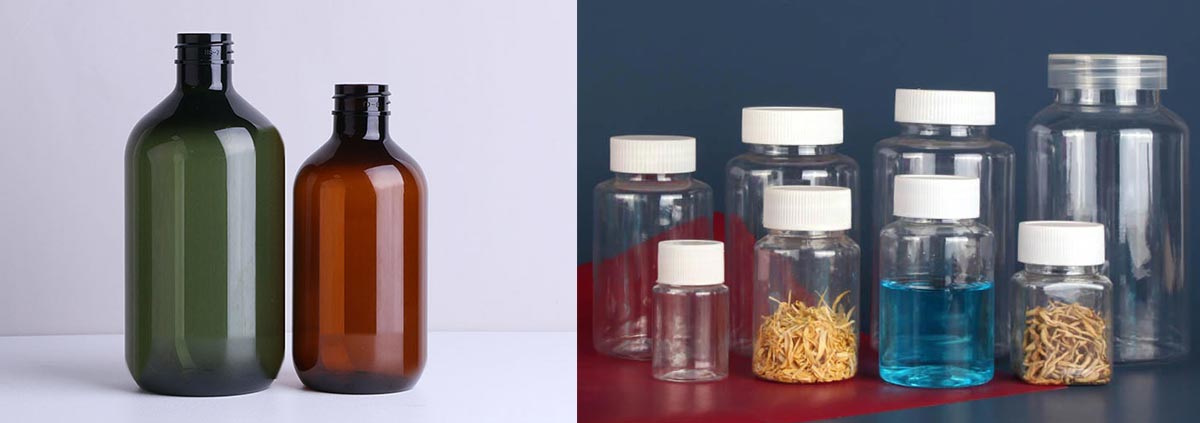
The packaging segment faces rapid transformation as PET bottle mould design evolves in 2026. Manufacturers prioritize lightweighting and material optimization to reduce costs and environmental impact. New trends drive efficiency and sustainability across the packaging segment. The industry focuses on strategies such as optimizing wall thickness and enhancing molecular orientation. The table below highlights the most significant trends shaping PET bottle mould design:
| Trend | Description |
|---|---|
| Automation & Smart Production | Adoption of robotics and data-driven systems to enhance production efficiency and reduce defects. |
| Sustainable Packaging | Increased use of recycled materials and energy-efficient processes in bottle manufacturing. |
| Customization & Small-Batch Flexibility | Demand for flexible tooling and small minimum order quantities to cater to niche markets. |
Manufacturers respond to market demands by adopting recycled materials and energy-efficient processes. These developments help brands achieve differentiation and improve environmental responsibility within the packaging segment.
Key Takeaways
- Lightweighting strategies in PET bottle design reduce material use and production costs, benefiting both the environment and manufacturers.
- Automation and smart manufacturing enhance production efficiency, leading to fewer defects and lower operational costs.
- Customization in bottle design allows brands to stand out, catering to niche markets and improving consumer engagement.
- Sustainable practices, such as using recycled materials and energy-efficient processes, support compliance with regulations and reduce carbon footprints.
- Predictive maintenance technologies ensure smooth production by anticipating issues before they occur, enhancing overall quality.
Technological Trends in PET Bottle Mould Design
Automation & Smart Manufacturing
Manufacturers continue to adopt advanced automation technologies to improve efficiency and quality in pet bottle mould production. Injection stretch blow molding machine has become standard, offering energy efficiency through servo-driven clamps that reduce energy consumption by about 40%. AI integration plays a key role in defect detection and predictive maintenance, optimizing production processes in real time. Smart sensors monitor production parameters, ensuring consistent quality and predicting maintenance needs. These innovations help companies minimize waste and lower operational costs.
- All-electric blow molding machines increase energy efficiency.
- AI systems optimize production and detect defects quickly.
- Smart sensors maintain consistent quality and predict maintenance requirements.
Technological advancements in PET bottle mould design enhance efficiency and reduce waste. Innovations such as 3D printing allow for quicker turnaround times and precise specifications. Improved manufacturing techniques lower operational costs and minimize material wastage.
Automation and smart manufacturing drive customization and scalability in the packaging segment. Companies benefit from reduced labor costs and improved resource management.
Precision Injection Molding
Precision injection molding has transformed pet bottle mould production by delivering higher quality and consistency. Manufacturers use advanced automation technology to increase productivity and enable seamless operation with minimal human intervention. Consistent temperature maintenance ensures correct formation of preforms, reducing defects and enhancing product quality. High-speed performance capabilities meet rising demand for PET bottles while maintaining accuracy and precision. User-friendly interfaces simplify operation and maintenance, ensuring smooth production runs. Energy-efficient designs reduce energy consumption and minimize waste, supporting sustainable manufacturing.
| Feature | Benefit |
|---|---|
| Consistent temperature maintenance | Ensures correct formation of preforms without defects, enhancing product quality. |
| Advanced automation technology | Increases productivity and allows for seamless operation with minimal human intervention. |
| High-speed performance capabilities | Meets rising demand for PET bottles while maintaining accuracy and precision. |
| User-friendly interfaces | Simplifies operation and maintenance, ensuring smooth production runs. |
| Energy-efficient design | Reduces energy consumption and minimizes waste, contributing to sustainable manufacturing. |
Digital monitoring systems provide measurable benefits in PET bottle mould manufacturing. Real-time monitoring enables immediate adjustments to machine settings, enhancing production quality. Predictive maintenance uses AI and machine learning to foresee quality issues, optimizing the manufacturing process. IoT integration leads to better control and lower operational costs through efficient resource management.
| Benefit | Description |
|---|---|
| Real-time monitoring | Enables immediate adjustments to machine settings, enhancing production quality. |
| Predictive maintenance | Utilizes AI and machine learning to foresee quality issues, optimizing the manufacturing process. |
| Resource management | IoT integration leads to better control and lower operational costs through efficient monitoring. |
ISBM Machine
ISBM machine has reshaped the scalability and flexibility of PET bottle mould production. High production speeds enable large-scale manufacturing, meeting high-volume demands in the packaging industry. Modular designs allow customization for various production needs, enhancing flexibility. Automation capabilities streamline processes, reducing labor costs and increasing efficiency. Energy-efficient drives reduce operational costs and support sustainability initiatives. Compatibility with Industry 4.0 facilitates integration with modern manufacturing systems for better scalability.
| Feature | Benefit |
|---|---|
| High production speeds | Enables large-scale manufacturing, meeting high-volume demands. |
| Modular designs | Allows customization for various production needs, enhancing flexibility. |
| Automation capabilities | Streamlines processes, reducing labor costs and increasing efficiency. |
| Energy-efficient drives | Reduces operational costs and supports sustainability initiatives. |
| Compatibility with Industry 4.0 | Facilitates integration with modern manufacturing systems for better scalability. |
ISBM machine supports rapid adaptation to market trends and changing consumer preferences. Manufacturers achieve greater customization and efficiency, positioning themselves for success in the evolving packaging segment.
Sustainability Trends in PET Bottle Moulds
Lightweighting & Material Reduction
Sustainability and compliance drive innovation in PET bottle moulds. Manufacturers focus on lightweighting strategies to reduce material usage and improve eco-friendly production. Injection-compression molding technology lowers preform weight by 4-5%. The LIGHT-PET project introduces new production methods that achieve 4-6% lightweighting. Continuous polymer transformation processes allow for a reduction of 20-30% in preform weights. Even a 5% reduction in part weight can lead to 4.4% savings in production costs. These strategies support sustainable packaging practices and encourage material innovation.
| Lightweighting Strategy | Impact on Material Reduction |
|---|---|
| Injection-compression molding technology | Reduces preform weight by 4-5% |
| LIGHT-PET project technology | Estimated lightweighting of 4-6% |
| Continuous polymer transformation | Allows for 20-30% reduction |
| Reduction in part weight | 5% reduction saves 4.4% in costs |
Recent case studies show significant material savings. Resin savings reach 1.88 grams per bottle, totaling 22,560 metric tons per year. Cost savings amount to $26.6 million annually. Carbon emissions drop by 57,377 metric tons each year. These results highlight the importance of recyclable solutions and greener materials.
| Metric | Value |
|---|---|
| Resin savings | 1.88 g/bottle |
| Total resin savings | 22,560 metric tons/year |
| Cost savings | US $26.6 million/year |
| Carbon emissions savings | 57,377 metric tons/year |
Recycled Resins & Bio-Based PET
Manufacturers increasingly use recycled resins and bio-based PET to meet sustainability and compliance goals. Bio-based PET offers high strength and recyclability, matching conventional PET in durability and transparency. It lowers carbon footprint and reduces greenhouse gas emissions. Companies shift to renewable resources, decreasing reliance on fossil fuels. Bio-based PET supports sustainable packaging practices and minimizes pollution.
- Bio-based PET is durable and transparent, matching petrochemical PET.
- It offers biodegradability, helping reduce environmental impacts.
- Demand for bio-based PET bottles rises due to pollution and regulations.
- The shift supports sustainable packaging and reduces non-degradable waste.
Energy-Efficient Molding Processes
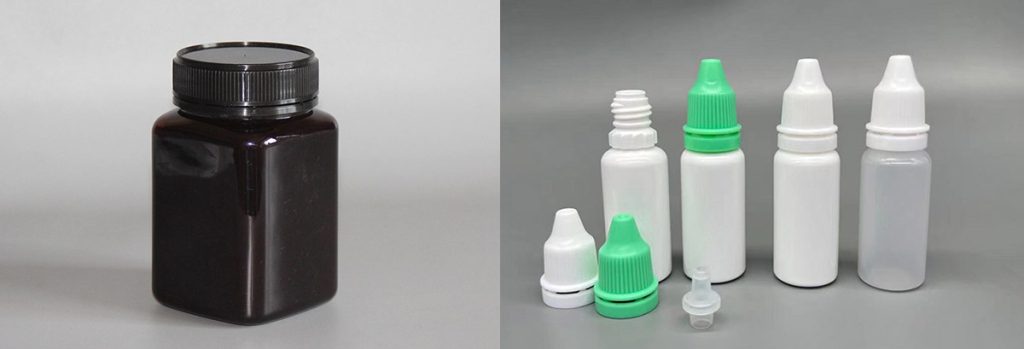
Energy-efficient molding processes play a key role in eco-friendly production. Resin transfer molding (RTM) consumes 15-25 kWh per kilogram, improving energy efficiency by 60-75%. Traditional autoclave methods use 80-150 kWh per kilogram. RTM reduces energy consumption and carbon footprint, supporting sustainability and compliance.
| Process Type | Energy Consumption (kWh/kg) | Energy Efficiency Improvement (%) |
|---|---|---|
| Resin Transfer Molding (RTM) | 15-25 | 60-75 |
| Autoclave | 80-150 | N/A |
Material innovation and recyclable solutions continue to shape the future of PET bottle moulds. Manufacturers adopt sustainable packaging practices and greener materials to meet global standards.
Customization & Bespoke Mould Design
Tailored Solutions for Brands
Brand owners seek unique bottle shapes and sizes to stand out in the competitive packaging market. Custom mold solutions allow companies to create intricate designs that enhance product differentiation. Manufacturers now offer tailored solutions that optimize production processes and improve efficiency. Demand for custom PET blow molding systems has increased by nearly thirty percent. Companies move from standard systems to bespoke options for greater flexibility and performance. Aligning with sustainability practices helps brands attract environmentally conscious consumers.
| Trend | Description |
|---|---|
| Unique Shapes | Custom shapes create a distinct brand identity and improve functionality. |
| Vibrant Colors | Bright colors and unique finishes help products stand out and convey messages. |
| Interactive Features | Bottles with AR games or digital content engage consumers. |
| Limited-Edition Designs | Seasonal or event-based designs encourage collection and repeat purchases. |
| Custom Naming | Personalization through names or phrases fosters consumer connection. |
| Sustainability Considerations | Eco-friendly designs signal brand values and attract conscious buyers. |
Customization in PET bottle mould design gives brands a competitive advantage and supports high-quality pet preform moulds.
Rapid Prototyping & Small-Batch Production
Rapid prototyping accelerates the development cycle for PET bottle moulds. Advanced 3D printing and injection molding combine to produce prototypes quickly and cost-effectively. This process enables faster testing and refinement of bottle shapes and sizes. Technologies like BLOWSCAN support rapid validation of new geometries, allowing manufacturers to iterate designs efficiently. Small-batch production meets the needs of niche markets and seasonal campaigns. Companies can launch limited-edition bottles with unique sizes and features, responding to consumer trends without large investments.
Modular Mould Systems
Modular mould systems enhance flexibility and cost-effectiveness in PET bottle production. Manufacturers switch between different bottle designs and sizes with minimal downtime. These systems support diverse product lines, adapting to varying production demands. The SEGS Series PET Bottle Blowing Machine demonstrates this flexibility, producing up to 9000 bottles per hour for both small and large runs. Modular systems offer high production volume per cycle, reducing labor and energy costs per unit. Compatibility with different materials allows companies to target a wider range of markets. Long-term durability and integration with existing equipment ensure a high return on investment.
- Modular mould systems allow quick changes between bottle sizes and designs.
- They support both small-batch and high-volume production.
- Companies benefit from reduced costs and increased revenue potential.
Quality & Precision in Packaging Segment
CNC Machining Accuracy
CNC machining delivers high precision in pet bottle mould production. Manufacturers rely on computer-controlled equipment to achieve tight tolerances and consistent results. This technology enables the creation of complex mould geometries that meet strict industry standards. CNC machines operate with minimal human intervention, reducing errors and improving repeatability. Operators use advanced software to program each step, ensuring every mould matches the design specifications. High accuracy supports the production of bottles with uniform wall thickness and flawless surfaces. Brands benefit from reliable quality and reduced waste in the packaging process.
Real-Time Quality Control
Real-time quality control systems transform defect detection in PET bottle mould manufacturing. Automated systems monitor every stage of the stretch blow molding process. These systems identify and correct defects as they occur, improving detection rates and reducing rework. Smart sensors enable real-time monitoring and adjustment of machine settings. Digital twins and advanced analytics link machine modifications to quality improvements. Automated inspection systems and robotics enhance precision and consistency in quality checks. The reduction in defects leads to higher yield and improved product reliability.
- Automated quality control systems monitor each stage of production.
- Smart sensors adjust machine settings in real time.
- Robotics and digital analytics improve precision and consistency.
- Fewer defects mean less rework and higher product quality.
Real-time quality control ensures that every PET bottle meets the standards required for safe and effective packaging.
Predictive Maintenance
Predictive maintenance technologies reduce downtime in PET bottle mould production. AI-powered systems enhance defect detection and enable maintenance before breakdowns occur. Cloud platforms allow remote monitoring of equipment health. Machine learning optimizes process parameters in real time, boosting yield and reducing waste. Sensors and analytics track machine health, scheduling interventions before failures. Advanced sensors monitor temperature and pressure, while IoT-enabled machines predict mechanical issues. These strategies extend the lifespan of blow molding equipment and maintain consistent production.
- AI-powered systems detect defects and schedule maintenance.
- Cloud platforms support remote equipment monitoring.
- Machine learning adjusts process parameters for optimal performance.
- Sensors and IoT devices predict mechanical failures before they happen.
Predictive maintenance keeps pet bottle mould production running smoothly and supports high-quality packaging outcomes.
Market Impact & Future Outlook
Global Trends & Regional Differences
The market for PET bottle mould design shows strong regional variation. North America experiences growth in the beverage sector and high demand for automated solutions. Europe focuses on environmental regulations, lightweight designs, and recyclable materials. Asia sees rapid expansion in both domestic and export markets, with a preference for advanced machinery. South America’s industrial development drives the need for reliable equipment, while Africa’s urban centers create opportunities for durable and versatile machines.
| Region | Key Trends | Machinery Impact |
|---|---|---|
| North America | Growth in beverage sector, demand for automated solutions | Adoption of fully automatic PET stretch blow moulding machine for efficiency and quality consistency. |
| Europe | Influence of environmental regulations, focus on lightweight and recyclable designs | Integration of energy-efficient machinery to comply with sustainability goals. |
| Asia | Rapid expansion in domestic and export markets, high demand for advanced machinery | Use of high-cavity molds and blowing machines for faster production cycles and quality consistency. |
| South America | Industrial development driving demand for reliable machinery | Increased use of fully automatic stretch blow moulding machines for precise production methods. |
| Africa | Emerging opportunities in urban centers, need for durable equipment | Adoption of versatile blowing machines to accommodate varying production needs. |
These trends shape the market overview and influence the market size, especially in the packaging industry and plastic packaging market. Application insights show that food and beverages remain the largest segment, with food packaging and food application leading the demand.
Regulatory Compliance
Regulatory compliance plays a critical role in the PET blow molder market. The EU Single-Use Plastics Directive requires at least 25% recycled content by 2025, which changes design strategies for material handling and quality control. Extended Producer Responsibility (EPR) makes companies manage the packaging lifecycle, affecting logistics and tracking systems. Deposit return systems require specific bottle features, impacting production efficiency. Chemical recycling regulations introduce new recycling pathways, requiring verification and quality assurance. Regional variations in regulations create unique challenges for market participants.
| Regulatory Aspect | Description |
|---|---|
| EU Single-Use Plastics Directive | Mandates at least 25% recycled content by 2025, necessitating changes in design for material handling and quality control. |
| Extended Producer Responsibility (EPR) | Requires companies to manage packaging lifecycle, impacting operational models and necessitating tracking and logistics systems. |
| Deposit Return Systems | Mandates specific design features for bottles, affecting production efficiency and cost-effectiveness. |
| Chemical Recycling Regulations | Establishes new pathways for recycling, requiring integration of verification and quality assurance protocols. |
| Regional Variations | Different regions emphasize various aspects of sustainability, affecting compliance strategies and operational challenges. |
Future Directions for PET Bottle Mould Design
Industry experts forecast several key directions for the PET blow molder market. Flexibility and customization in bottle design will increase, with machines capable of producing complex shapes. The use of bio-based and biodegradable materials will expand, requiring adaptation in machinery. Integration with data analytics and digitalization will become standard, with digital twins optimizing performance. Quality control and bottling precision will improve through advanced inspection systems. Hybrid and multi-technology machines will offer greater efficiency. Energy efficiency will rise as all-electric machines become more common. Industry 4.0, AI, and predictive maintenance will drive further gains in process optimization.
The market will continue to evolve as companies respond to new regulations, consumer demand, and technological advances. Application insights and end-user industry insights suggest that food and beverages will remain a dominant force, shaping the growth forecast for the coming years.
Conclusion
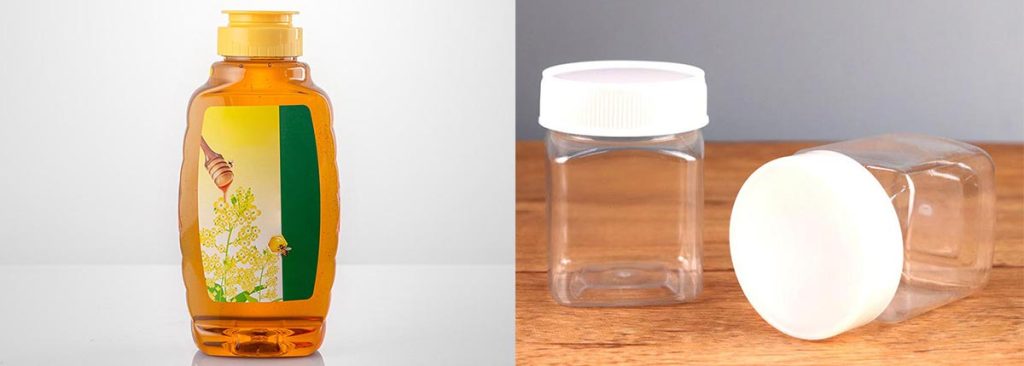
Lightweighting, sustainability, and technological innovation are reshaping PET bottle mould design for 2026. Companies like Coca-Cola have reduced bottle weight, aiming to cut PET usage by millions of metric tons. New designs lower CO₂ emissions and help brands stand out. Manufacturers benefit from improved efficiency, consistent quality, energy savings, and adaptability. To stay competitive, industry players should advance processing technologies, innovate preform designs, and integrate digital tools.
| Actionable Step | Description |
|---|---|
| Advance processing technologies | Develop faster, energy-efficient injection molding machines and mold designs |
| Innovate preform design | Add features for hot-fill or microwave applications |
| Integrate digital technologies | Use AI and IoT for process optimization and predictive maintenance |
Ongoing innovation and responsiveness to market demands will drive success in the packaging segment.
FAQ
What Are the Main Benefits of Lightweighting in Bottle Mould Design?
Lightweighting reduces material use and lowers production costs. Companies see savings in energy and resources. Lighter bottles also decrease transportation emissions. Brands improve their environmental impact and meet sustainability goals.
How Does Automation Improve Bottle Mould Production?
Automation increases production speed and consistency. ISBM Machine handles repetitive tasks with high accuracy. Companies experience fewer defects and less waste. Automated systems also support real-time monitoring and predictive maintenance.
Why Do Brands Choose Custom Mould Designs?
Brands select custom moulds to create unique shapes and features. Customization helps products stand out on store shelves. Companies can target specific markets and respond quickly to trends. Custom designs also support branding and marketing efforts.
What Role Do Recycled Materials Play in Modern Bottle Manufacturing?
Recycled materials help reduce waste and conserve resources. Manufacturers use recycled resins to lower their carbon footprint. This practice supports global sustainability efforts. Many companies now prefer bottles made from recycled or bio-based materials.
How Do Real-Time Quality Control Systems Work?
Real-time quality control systems use sensors and cameras to inspect bottles during production. These systems detect defects immediately. Operators can adjust settings to fix problems. This process ensures high product quality and reduces the need for rework.