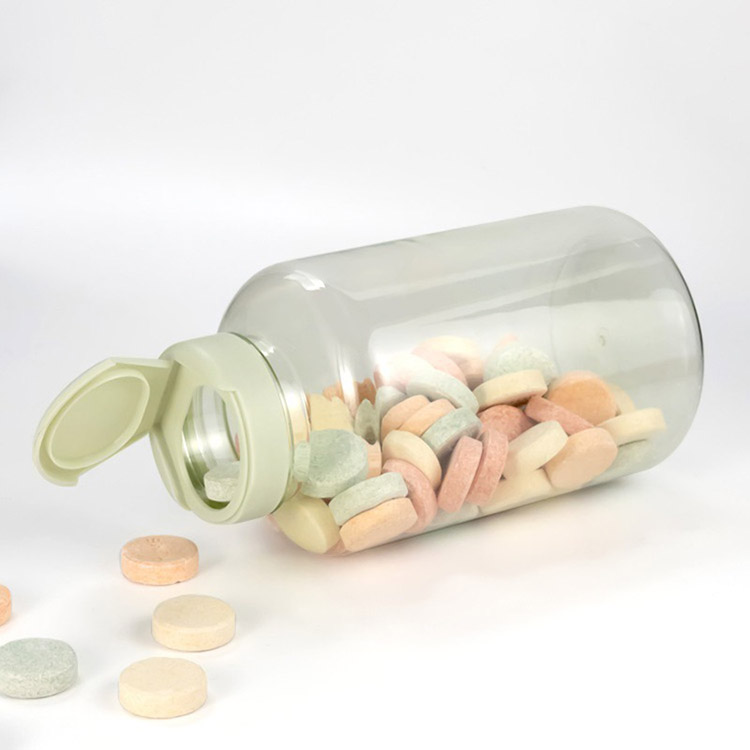
Bottle shapes. Clearer manufacturing decisions.

ISBM Bottles

Explore ISBM bottles through shape, opening, proportion and intended use. Turn a visual reference into a clearer brief for material selection, mold development and equipment review.

This gallery brings together the images from our existing bottle collection. Use them to discuss a design direction, then confirm the dimensions, resin and performance requirements for your own project.

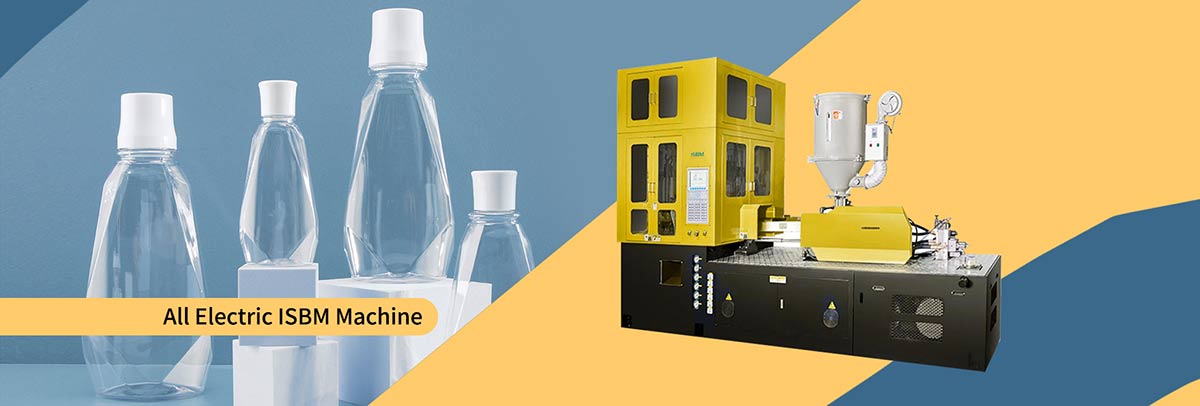
Bottle examples and single-stage injection stretch blow molding machine

From reference to requirement

What are ISBM bottles?

ISBM bottles are containers made through injection stretch blow molding. A preform is formed by injection molding, then stretched and blown into the final bottle shape. In single-stage production, these operations are integrated within one production system.

The finished shape is only one part of the decision. A practical assessment connects the bottle drawing with the resin, neck finish, preform design, mold and machine configuration. A visually similar container does not automatically share the same manufacturing requirements.

01 / GEOMETRY

Define the shape

Identify the neck, shoulder, body, base and any panels or grip features. Use a dimensioned drawing rather than relying on a photograph alone.

02 / MATERIAL

Specify the resin

Provide the intended grade and service conditions. Appearance alone cannot confirm chemical compatibility, temperature performance or compliance.

03 / PRODUCTION

Review the complete system

Evaluate ISBM bottles together with the preform, tooling and equipment. Confirm feasibility before treating a sample as a production commitment.

Dimensions before assumptions

Size ISBM bottles from a drawing, not a photograph

Nominal volume does not fully describe a bottle. Two ISBM bottles with the same stated capacity may have different necks, heights, panel areas and base geometry. Record both the required filling volume and the dimensional information needed for review.

Container and closure

  • Overall height and maximum body dimensions.
  • Neck finish drawing and closure specification.
  • Target capacity, fill level and available headspace.
  • Shoulder, base and label-panel details.

Use and acceptance criteria

  • Contents, filling conditions and storage environment.
  • Resin grade, color and appearance requirements.
  • Critical tolerances and agreed test requirements.
  • Target output and project-specific production constraints.

A focused material discussion

Choose materials for ISBM bottles around the project

Begin with the contents and expected service conditions, then assess the candidate resin and processing route. Do not select a material solely because a reference container looks clear, colored, rigid or flexible.

For ISBM bottles intended for food, cosmetics, laboratory or other regulated uses, request the relevant grade documentation and define the necessary testing. Resin names alone do not establish suitability for every formulation, filling temperature or cleaning method.

Where a specification is still open, list the requirements first: clarity, handling, chemical exposure, dimensional stability and any applicable compliance needs. This makes the discussion more useful than assuming that every image represents an approved material combination.

Common questions

Planning your ISBM bottles project

Can you identify the material from a gallery image?

No. A photograph can show a shape or surface appearance, but it cannot confirm the resin grade, additives or relevant documentation. Supply the material specification or ask for a review against the intended use.

Are all of these images confirmed ISBM production samples?

The collection is retained as a visual reference library. It includes bottle formats, accessories, preforms and related hollow products. Manufacturing route and feasibility must be confirmed for the specific design; the image alone is not proof.

What should I send for an ISBM bottles project?

Send a drawing or sample reference, required capacity, neck and closure details, intended resin, contents and filling conditions. Include target production needs and any acceptance criteria already agreed for the project.

Does a similar shape mean the same machine can make it?

Not necessarily. Dimensions, resin, preform, tooling and production requirements affect the review. Use the complete bottle specification to assess equipment compatibility rather than choosing from appearance alone.

How is this gallery different from the applications guide?

This page focuses on ISBM bottles as physical designs: openings, shapes, proportions and review inputs. An applications guide organizes requirements around end-use sectors. Both perspectives can inform a project without replacing a drawing-led assessment.

Connect the bottle design with the next decision

Explore ISBM machine models for equipment information, material selection for resin considerations, and manufacturing technology for process context. For sector-specific requirements, visit the applications guide. Use these resources alongside the bottle drawing rather than as a substitute for project review.

Start with your bottle

Discuss ISBM bottles for your next project

Share the closest reference, a drawing and the requirements you already know. Describe what must change in the shape, opening or size, and identify any details still to be confirmed. A clear brief supports a more focused manufacturing discussion.

    We use cookies in order to give you the best possible experience on our website. By continuing to use this site, you agree to our use of cookies.
    Accept