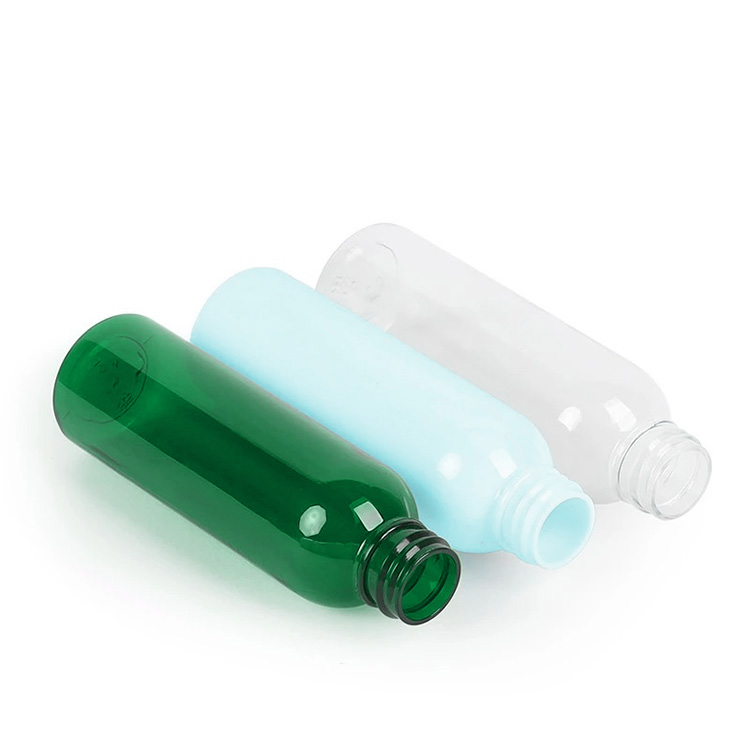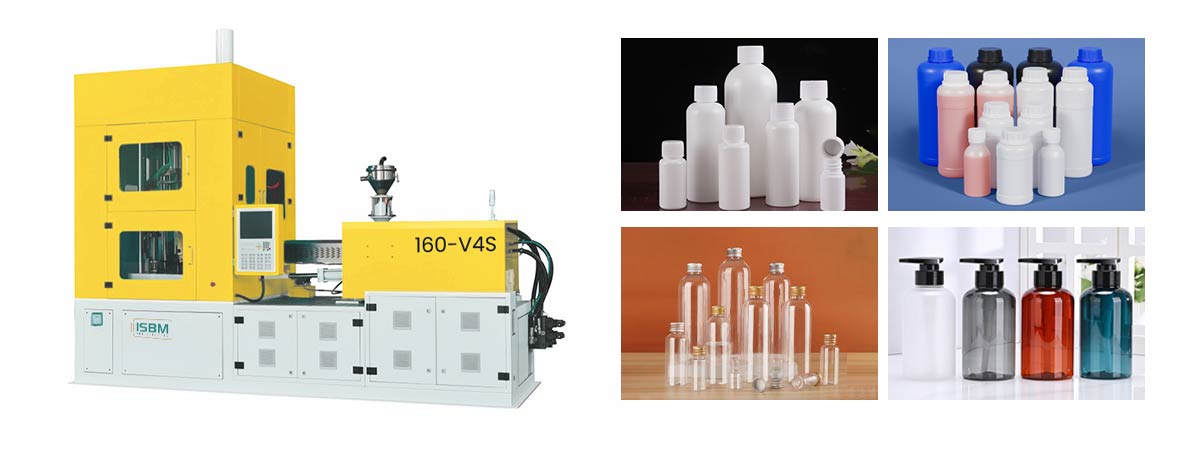
ISBM & IBM Machine Applications for Plastic Bottle Manufacturing
ISBM Machine helps manufacturers evaluate plastic bottle production projects across pharmaceutical, healthcare, laboratory, diagnostics, cosmetics, personal care, food, beverage, baby care, household and specialty packaging applications.
Our application engineering approach starts with the container you need to manufacture – not simply with a machine model.
By reviewing your bottle drawing, resin, neck finish, bottle weight, dimensions, cavity requirement, production target and quality expectations, our engineering team can determine whether Injection Stretch Blow Molding (ISBM) or Injection Blow Molding (IBM) is the more appropriate process and recommend a suitable machine-and-mold configuration.
Application Engineering for:
Pharmaceutical · Medical · Laboratory · Diagnostics · Cosmetics · Personal Care · Food · Beverage · Baby Care · Household · Specialty Containers
What Applications Are ISBM and IBM Machines Used For?
ISBM and IBM machines are used to manufacture precision plastic bottles, jars and hollow containers for industries including pharmaceuticals, medical and healthcare, laboratory and diagnostics, cosmetics, personal care, food, beverages, baby products and household packaging.
Injection Stretch Blow Molding is commonly selected when a project requires a combination of bottle clarity, strength, dimensional consistency, lightweight construction or more demanding container geometry.
Injection Blow Molding is frequently evaluated for smaller containers where accurate neck formation, controlled wall distribution and specific resin requirements are important.
The correct process depends on more than the end-use industry. Engineers should also evaluate:
- bottle material;
- bottle diameter and height;
- neck finish;
- bottle weight;
- wall distribution;
- transparency requirements;
- barrier or chemical-resistance requirements;
- cavity configuration;
- production output;
- filling and capping method;
- production environment.
For this reason, two bottles used in the same industry may require completely different molding solutions.
The best starting point is your bottle drawing and material specification.
Explore Plastic Bottle Manufacturing Applications
Pharmaceutical Packaging
Pharmaceutical packaging projects often place particular emphasis on neck accuracy, sealing performance, dimensional consistency, material control and stable repeat production.
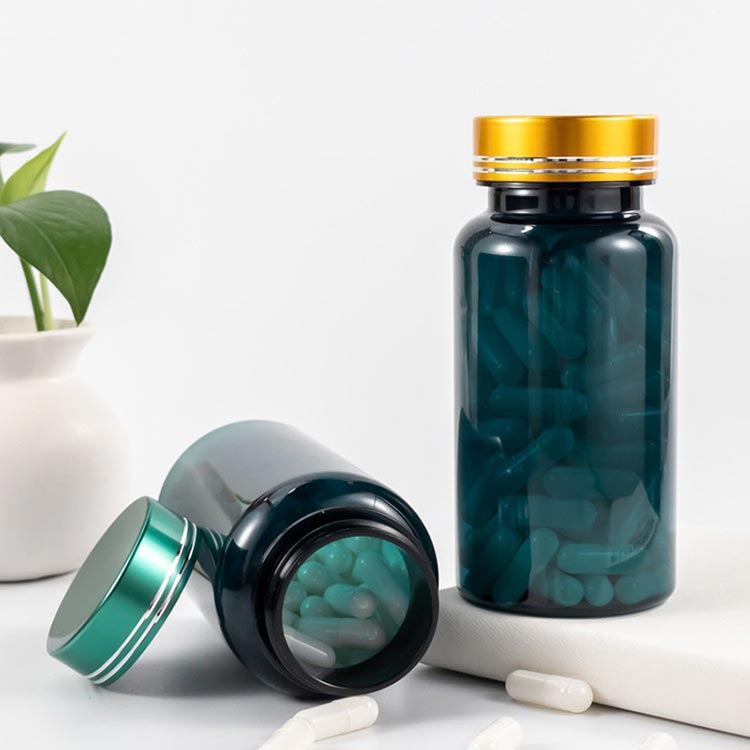
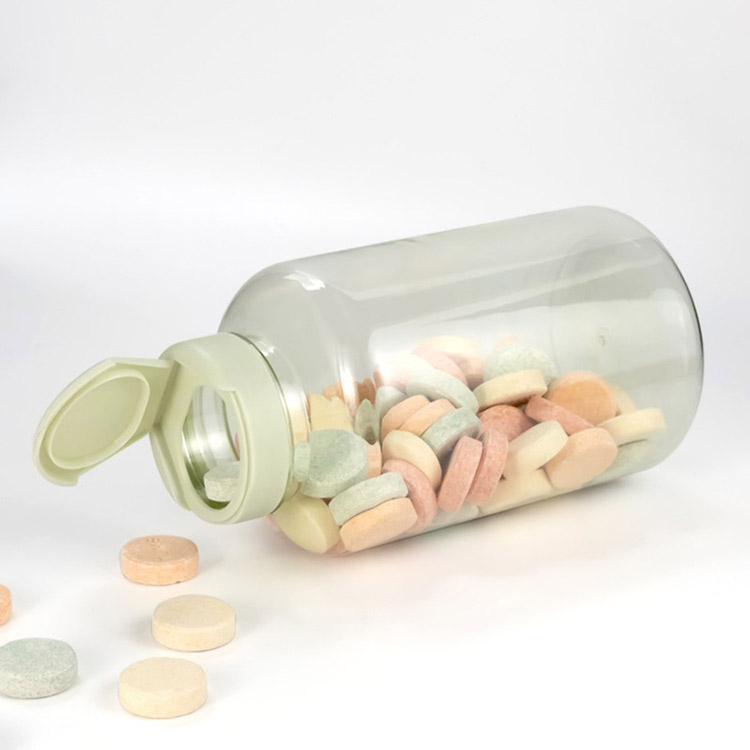
Typical applications include medicine bottles, tablet and capsule bottles, oral-liquid containers, syrup bottles, vitamin bottles and other pharmaceutical packaging.
Depending on the bottle material, geometry and production requirements, either ISBM or IBM technology may be evaluated.
For projects where cleaner machine operation and precise motion control are priorities, an all-electric machine configuration may also be considered.
Typical Products
Medicine Bottles · Pill Bottles · Tablet Bottles · Vitamin Bottles · Oral Liquid Bottles · Syrup Bottles
 Explore Pharmaceutical Packaging
Medical & Healthcare Packaging

Medical and healthcare container manufacturing requires careful coordination between the bottle design, material, closure system and molding process.
Applications can include healthcare bottles, medical-use containers, wash bottles, sample containers and other precision hollow plastic products.
Machine selection should consider the required production environment, resin characteristics, container dimensions, sealing requirements and downstream filling system.
Projects requiring particularly clean machine operation may benefit from evaluating all-electric molding platforms.
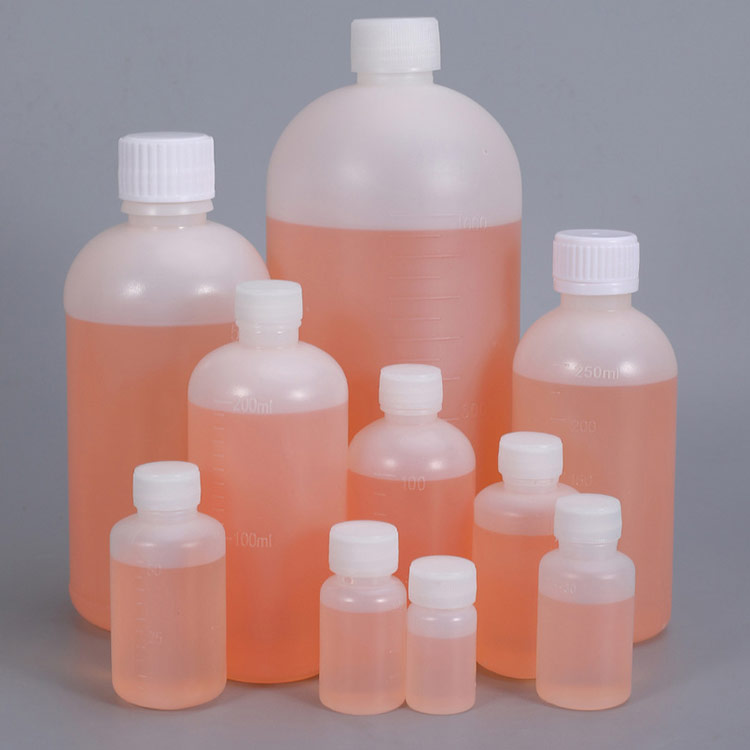
Laboratory Reagent Bottles
Laboratory bottles frequently require accurate neck finishes, reliable cap compatibility, chemical resistance and consistent bottle geometry.
Typical products include laboratory reagent bottles, sampling bottles, chemical storage bottles and other laboratory containers.
Material selection is especially important because the final resin must be compatible with both the molding process and the liquid stored inside the container.
Bottle drawings and chemical compatibility requirements should therefore be reviewed together before machine and mold selection.

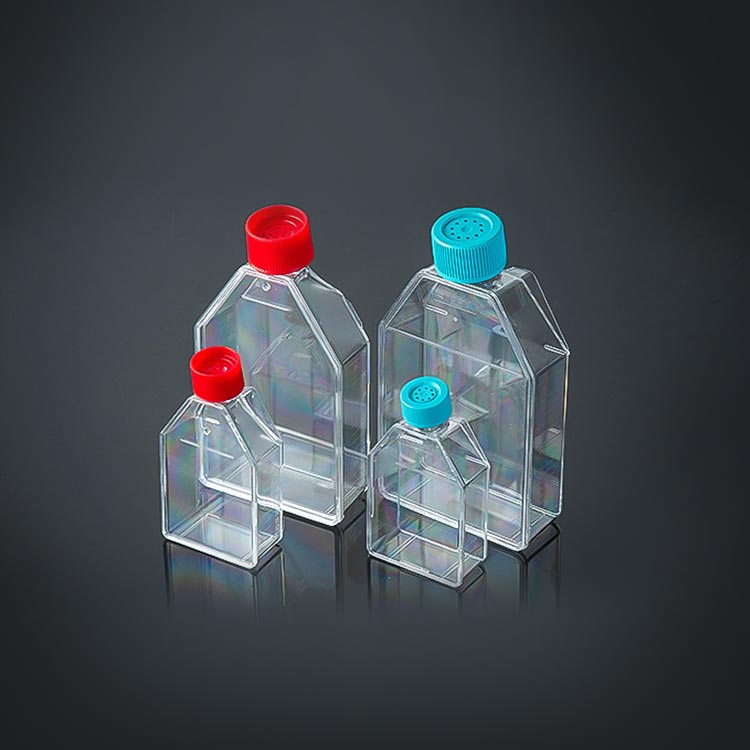
Diagnostic & IVD Reagent Bottles

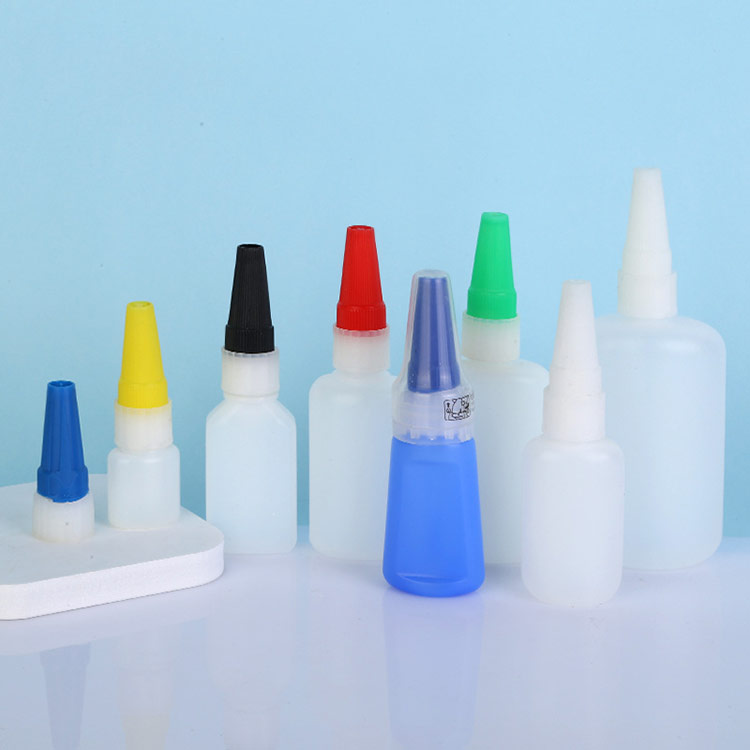
Diagnostic and IVD manufacturers often require small, precision containers for reagents, buffers, extraction solutions, washing solutions and sample-related liquids.
These bottles may require tight control of the neck finish, sealing surface, bottle dimensions and dispensing interface.
Production projects should therefore be evaluated as a complete bottle-and-closure system rather than treating the container body independently.
ISBM or IBM can be evaluated according to resin selection, bottle geometry, required wall properties and production volume.
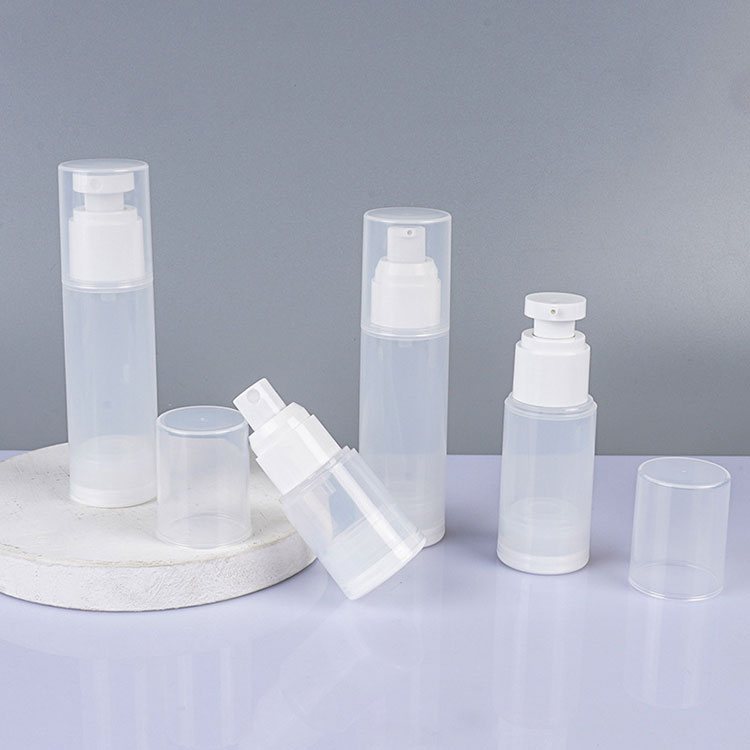
Cosmetic Packaging
Cosmetic packaging combines manufacturing performance with strong visual requirements.
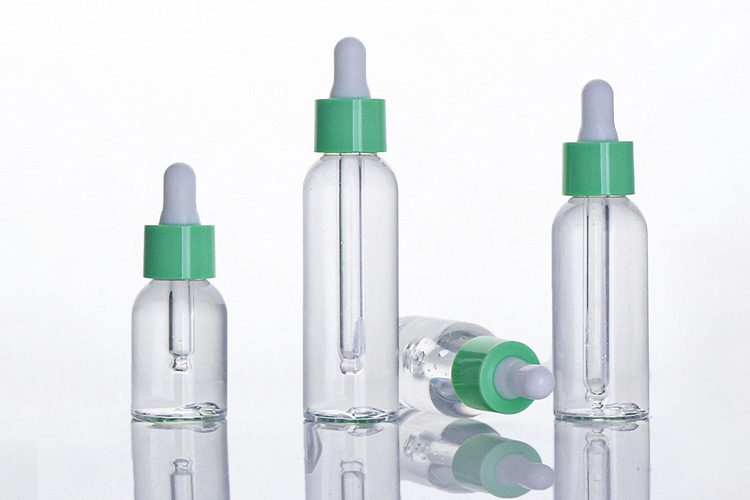
Premium serum bottles, skincare bottles, perfume-related containers and cosmetic packaging may require excellent clarity, smooth surfaces, precise neck dimensions, controlled wall distribution and distinctive bottle geometry.
One-step ISBM is particularly attractive for many premium packaging projects because the preform and finished container are produced within one integrated molding process.
Final equipment selection depends on resin, bottle thickness, weight distribution, shape complexity, neck design and production target.
Typical Products
Serum Bottles · Skincare Bottles · Cosmetic Sample Bottles · Lotion Bottles · Perfume Containers · Premium PET Bottles
 Explore Cosmetic Packaging
Personal Care Bottles

Personal care packaging covers a broad range of bottle sizes, resins and dispensing systems.
Typical applications include shampoo bottles, body-care containers, mouthwash bottles, hand-care packaging and other toiletry products.
Projects may prioritize appearance, squeeze performance, chemical resistance, cap compatibility, lightweighting or production cost depending on the product formulation and market positioning.
Our engineers evaluate both ISBM and IBM processes according to the bottle specification instead of applying the same molding method to every personal care container.
Food Packaging
Plastic food packaging can range from narrow-neck bottles to wide-mouth containers and specialty jars.
Applications include seasoning containers, sauce bottles, dry-food containers, honey bottles and other food packaging.
Important engineering factors may include food-contact resin selection, container rigidity, filling conditions, neck design, cap compatibility, wall distribution and required shelf performance.
Wide-mouth or non-standard containers may require different preform-conditioning and mold strategies from conventional narrow-neck bottles.

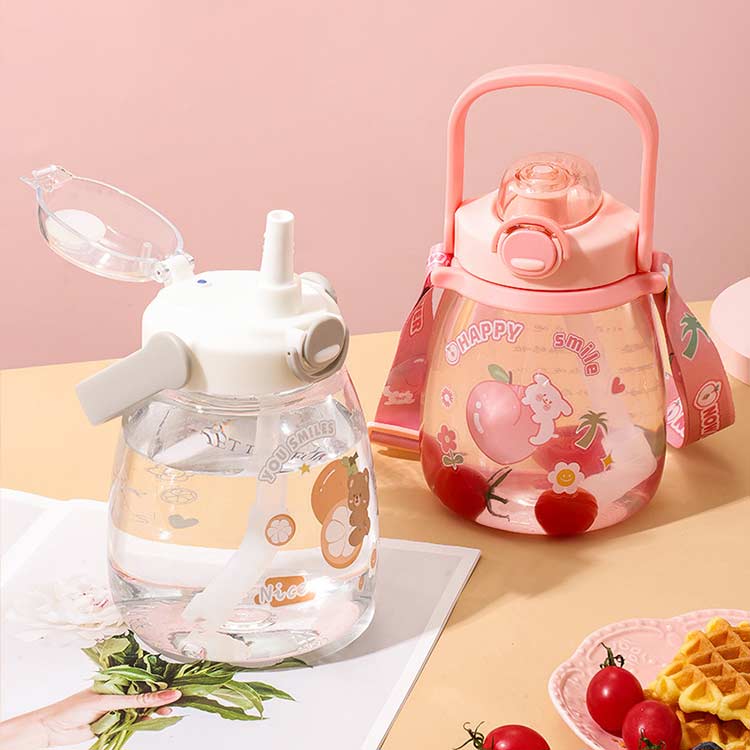
Beverage Bottle Manufacturing

Beverage bottle production requires the molding process to be matched carefully to bottle volume, material, neck specification, filling method and required mechanical performance.
Applications can include water bottles, juice containers, functional beverage bottles and specialty beverage packaging.
For PET and other stretch-oriented container projects, ISBM can provide an integrated route from resin to finished bottle without a separate preform reheating stage.
The actual machine configuration should be selected according to bottle weight, stretch ratio, cavity number and output requirement.
Baby Bottles & Baby Care Containers
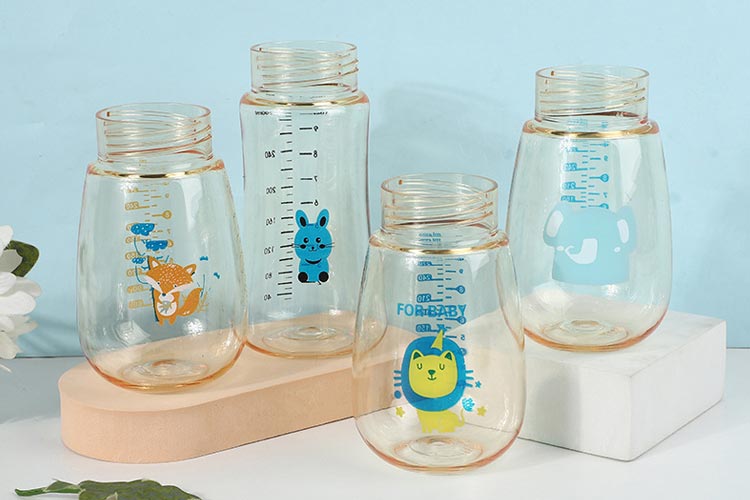
Baby bottle projects can involve materials and container designs that differ significantly from standard PET packaging.
Bottle transparency, dimensional consistency, wall performance, neck accuracy, sterilization requirements and material selection may all affect the molding solution.
Depending on the application, projects may involve PP, PC alternatives, PPSU, Tritan-type materials or other engineering resins subject to processing compatibility and the customer’s regulatory requirements.
Because resin behavior varies significantly, material grade and bottle drawings should be reviewed before mold development begins.
Household & Cleaning Bottles

Household product packaging can involve detergents, cleaning products, sanitizing liquids and other consumer chemical products.
Machine selection must consider bottle geometry together with chemical resistance, resin choice, closure design, wall thickness and dispensing requirements.
Depending on the formulation, a customer may prioritize container stiffness, squeezability, transparency or resistance to the packaged liquid.
The material and the contents of the bottle should therefore be evaluated together before the molding process is finalized.
Edible Oil Bottles
Edible oil packaging often requires larger bottle formats, reliable neck-and-cap sealing and consistent wall distribution.
Projects may range from compact premium oil bottles to larger cooking-oil containers.
Bottle handle requirements, neck size, bottle diameter, resin, weight, label design and filling conditions can all influence machine and mold configuration.
For larger-volume containers, the available injection capacity and mold envelope become especially important during equipment selection.

Specialty Hollow Plastic Products

Not every ISBM or IBM project is a conventional packaging bottle.
One-step molding technology can also be evaluated for specialty hollow products where accurate neck or opening geometry, transparency, surface appearance, controlled wall distribution or complex molded shapes are important.
Examples may include specialty industrial containers, technical hollow components and application-specific plastic products.
Because these projects often fall outside standard bottle specifications, feasibility should be verified from the drawing before machine selection.
Should Your Application Use ISBM or IBM?
Compare ISBM and IBM in DetailThe end-use industry alone does not determine the correct molding technology.
A pharmaceutical bottle may be produced using one process while another pharmaceutical container with a different resin, neck structure or wall requirement may need another.
The correct decision should be based on the container specification first and the industry second.
| Requirement | ISBM | IBM |
|---|---|---|
| Stretch-oriented bottle performance | Strong candidate | Not applicable in the same way |
| High-clarity PET packaging | Strong candidate | Project-dependent |
| Small precision containers | Suitable | Strong candidate |
| Accurate molded neck | Yes | Yes |
| Wider resin flexibility | Application-dependent | Application-dependent |
| Complex premium bottle shapes | Strong candidate | Suitable for selected designs |
| Pharmaceutical packaging | Yes | Yes |
| Cosmetic packaging | Yes | Yes |
| Laboratory bottles | Yes | Yes |
| Food & beverage | Strong application area | Selected applications |
| Small PE/PP bottles | Project-dependent | Strong application area |
| One-step resin-to-bottle production | Yes | Yes |
Match the Application to the Right Machine Configuration
All-Electric Machines
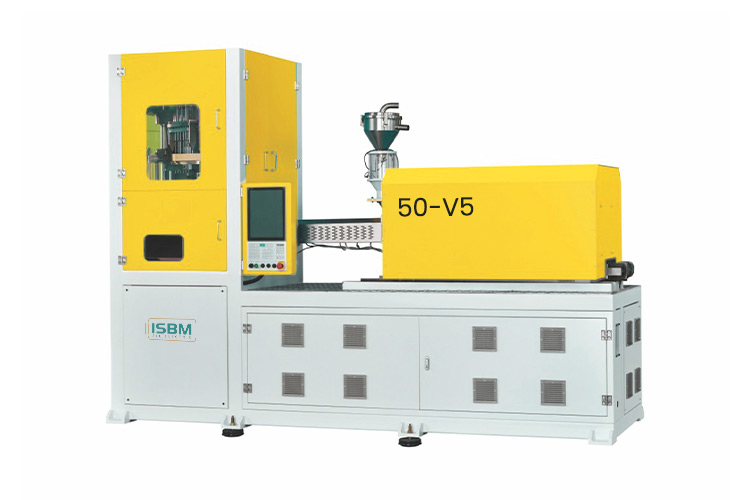
Recommended when the project places greater emphasis on clean machine operation, precise electric motion control, reduced hydraulic-system dependency and repeatable processing.
Typical projects may include:
pharmaceutical packaging, diagnostic containers, laboratory bottles, premium cosmetics and other precision packaging.
Hybrid Machines
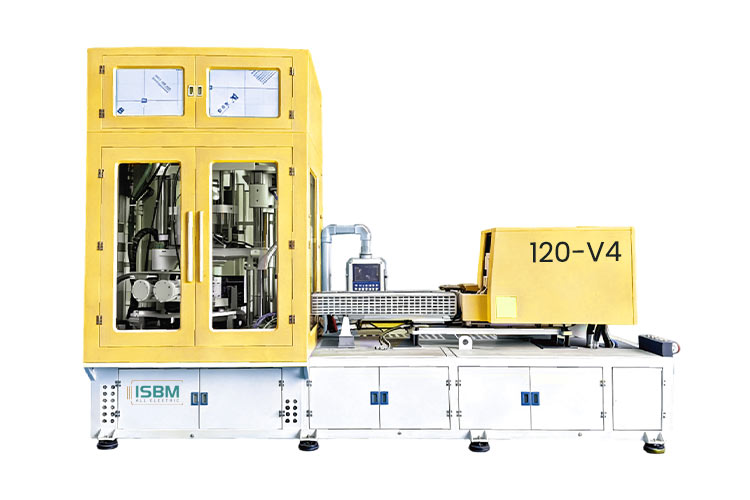
Hydraulic platforms provide a proven machine architecture for manufacturers seeking flexible one-step bottle production and who already have experience maintaining hydraulic molding equipment.
They can be considered for a wide range of general packaging applications where bottle specifications fit the machine and mold envelope.
Hybrid Machines
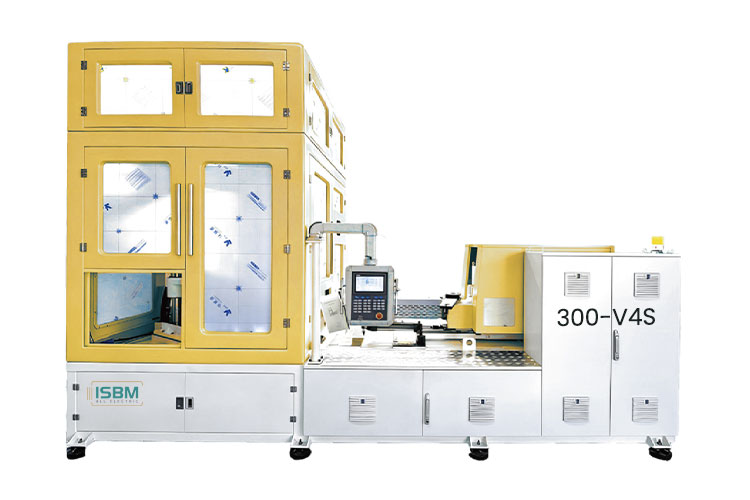
Hybrid configurations combine different actuation technologies and can be evaluated for projects requiring larger molding envelopes, increased flexibility or specialized container requirements.
They are particularly relevant when bottle geometry, injection capacity or production requirements extend beyond compact machine ranges.
3-Station or 4-Station?
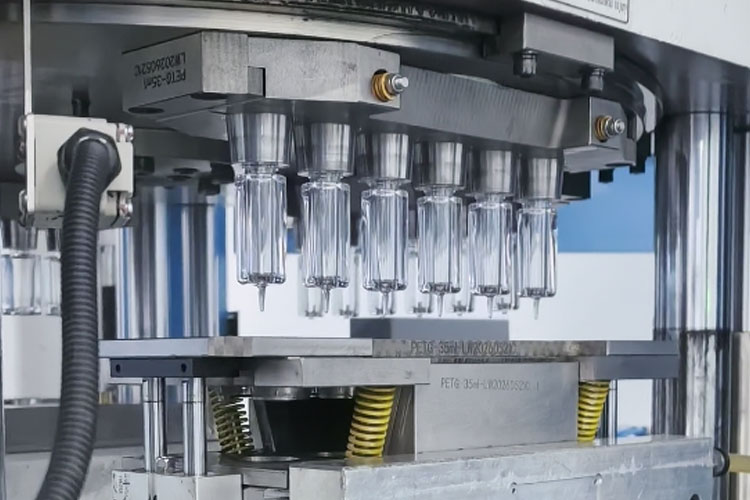
A 3-station one-step configuration can provide a compact solution for many conventional bottle projects. A 4-station configuration introduces an additional process position that gives engineers more flexibility in controlling the preform before stretch-blow molding.
This can be valuable for projects involving demanding geometry, wide-mouth containers, specialized resins or wall-distribution requirements.
Do not choose the number of stations only from bottle volume.
The bottle drawing, resin, stretch ratio, cavity arrangement and production target should be evaluated together.
What Determines the Right Machine for Your Application?
Choosing a bottle making machine by industry name alone can lead to incorrect equipment selection.
Two 500 ml bottles may require very different machines if one is a lightweight PET beverage bottle and the other is a thick-wall premium cosmetic container.
For every application project, we recommend evaluating the following parameters before machine configuration is finalized.
Bottle diameter, height and overall geometry determine whether the container fits within the available molding envelope.
Neck diameter, thread geometry, sealing surface and closure design affect the injection mold, core design and final sealing performance.
PET, PP, PETG, PCTG, PC, Tritan-type materials and other resins behave differently during injection, conditioning, stretching and blowing.
Material suitability must be verified according to the specific resin grade and bottle design.
Bottle weight influences injection requirements, cycle time, wall distribution and machine capacity.
The required number of cavities should be calculated from production output rather than selected independently.
Here goes your text … Select any part of your text to access the formatting toolbar.
Transparency, wall distribution, dimensional repeatability, sealing performance and visual appearance may each require different molding priorities.
Pharmaceutical, laboratory and premium packaging projects may have different expectations regarding machine cleanliness, automation and production-area design.
Material Selection by Bottle Application
Explore Plastic Bottle MaterialsMaterial selection affects much more than the appearance of a plastic bottle.
It influences stretch behavior, clarity, rigidity, temperature resistance, chemical resistance, wall thickness, mold design and the choice between ISBM and IBM.
Common bottle projects may involve materials such as PET, PP, PETG, PCTG, PC and other engineering resins, depending on the application.
The resin should never be selected from appearance alone.
For regulated, food-contact, pharmaceutical, medical or chemically sensitive applications, the bottle manufacturer is responsible for verifying the selected resin grade against the applicable product, processing and regulatory requirements.
Find a Machine by the Bottle You Need to Make
Explore All Bottle TypesAlready know the exact type of container you want to manufacture?
Instead of browsing by industry, explore our bottle manufacturing guides.
Each bottle focuses on the specific container geometry, material, molding challenges and suitable production process.


Why Manufacturers Consider One-Step Bottle Molding
In a one-step molding process, preform production and final bottle forming are integrated into the same manufacturing system.
This eliminates the need to produce, store, transport and separately reheat preforms before bottle molding.
For suitable applications, this approach can offer several practical advantages.
Integrated Production
Reduced Preform Handling
Precise Neck Formation
Flexible Container Development
Suitable for More Than Standard Beverage Bottles
Start with Your Bottle - Not with a Machine Model
You do not need to know which ISBM or IBM machine you need before contacting us.
Send us the container information and our engineering team can evaluate the project first.
For a preliminary machine recommendation, please provide:
- Bottle drawing;
- Bottle photos or physical sample;
- Bottle material;
- Bottle weight;
- Bottle volume;
- Neck diameter and finish;
- Target number of cavities;
- Required production output;
- Filling application;
- Country of installation.
We will use this information to evaluate the molding process, mold concept and appropriate machine platform.
From Bottle Concept to Production Solution
Step 1
Send the Bottle Specification
Provide a drawing, sample, resin specification and production requirement.
Step 2
Application Review
We review the end-use application, bottle geometry, material and technical requirements.
Step 3
Process Selection
Our engineers evaluate whether ISBM or IBM is the better production route.
Step 4
Machine & Mold Matching
Machine size, station configuration, drive system, injection capacity and cavity arrangement are evaluated.
Step 5
Bottle design
According to customer’s bottle drawing to modify or create a new bottle shape by our engineer, that will fit with mold design work
Step 6
Mold Development
The injection, conditioning and blow mold system is designed around the approved bottle specification.
Step 7
Trial Molding
Bottle samples are molded and evaluated against the agreed project requirements.
Step 8
Machine Delivery & Production Support
The machine is prepared for shipment together with the project-specific mold and production configuration.
Frequently Asked Questions About ISBM & IBM Applications
What industries use injection stretch blow molding machines?
Injection stretch blow molding machines are used in industries including pharmaceuticals, cosmetics, healthcare, food, beverages, personal care, baby products and specialty packaging. The suitability of ISBM depends on the bottle material, geometry, stretch requirement and production target.
What products can be manufactured with an ISBM machine?
ISBM machines can manufacture many types of bottles and hollow containers, including pharmaceutical bottles, cosmetic bottles, beverage bottles, reagent bottles, baby feeding bottles, food containers and specialty packaging. The specific product range depends on the machine, mold and resin.
What is the difference between an ISBM application and an IBM application?
ISBM includes a stretching stage between preform injection and final bottle formation. IBM forms the bottle without the same stretch-blow stage. ISBM is often selected for stretch-oriented materials and applications requiring high clarity or enhanced bottle performance, while IBM can be highly effective for small precision containers and selected PE, PP and other resin applications.
Can the same machine manufacture bottles for different industries?
Potentially yes. A machine may manufacture multiple bottle designs when their material, dimensions, injection requirements and mold specifications fall within the machine’s operating range. Different bottle designs normally require dedicated tooling, and some resin changes may require additional process evaluation.
Which machine is best for pharmaceutical bottles?
There is no single machine that is best for every pharmaceutical bottle. Selection depends on bottle dimensions, resin, bottle weight, neck finish, cavity requirement, production target and production environment. All-electric machines are often worth evaluating when clean machine operation and precise electric motion control are priorities.
Which molding process is best for cosmetic bottles?
Both ISBM and IBM can be used for cosmetic packaging. ISBM is particularly attractive for many premium transparent or shaped containers, while IBM can be suitable for selected smaller bottles and different material requirements. The final choice should be based on the actual bottle specification.
Can ISBM machines process materials other than PET?
Yes. Depending on the machine, mold and resin grade, one-step stretch blow molding can be evaluated for materials such as PP, PC, PETG, PCTG and other suitable thermoplastics in addition to PET. Processing feasibility should always be confirmed for the specific resin and container design.
How do I know which machine model I need?
Send the bottle drawing, material, bottle weight, dimensions, neck specification, expected cavity number and production target. These parameters allow the machine and mold to be evaluated together.
Can you recommend a machine from a bottle sample?
Yes. A physical sample, drawing or detailed bottle specification can be used as the starting point for an engineering evaluation. A formal machine recommendation should be made after critical bottle and production parameters have been confirmed.
Do I need to choose ISBM or IBM before contacting you?
Whether your project involves a pharmaceutical bottle, cosmetic container, laboratory reagent bottle, beverage bottle or a completely new hollow plastic product, the fastest way to evaluate the application is to start with the bottle itself.
Send us your drawing, sample or basic product specifications.
Tell Us What Bottle You Want to Manufacture
Whether your project involves a pharmaceutical bottle, cosmetic container, laboratory reagent bottle, beverage bottle or a completely new hollow plastic product, the fastest way to evaluate the application is to start with the bottle itself.
Send us your drawing, sample or basic product specifications.
Our engineers will review:
Application → Material → Bottle Design → Molding Process → Mold → Machine → Cavity → Production Target
and recommend an appropriate project direction.