
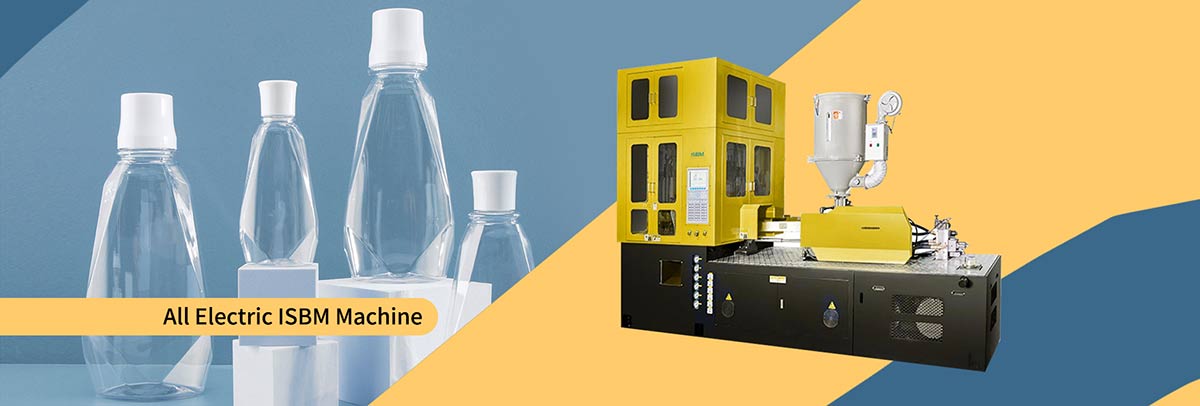
Plastic Materials for Injection Stretch Blow Molding
Choosing the right plastic resin is one of the first and most important decisions in any bottle molding project.
Bottle appearance, transparency, impact strength, heat resistance, chemical resistance, wall thickness distribution, cycle time, mold design and even machine selection can all change depending on the material being processed.
Our injection stretch blow molding machines are designed for a wide range of thermoplastic bottle materials, including PET, PETG, PP, PC, Tritan, PCTG, PPSU, PEN and selected specialty resins.
However, not every resin should be treated in the same way.
A machine suitable for producing a PET cosmetic bottle may require a very different process configuration from a machine producing a PP feeding bottle, a Tritan sports bottle or a large PC water bottle.
For this reason, we recommend selecting the material, bottle design, mold and machine as one integrated molding project rather than choosing the machine based only on bottle volume.
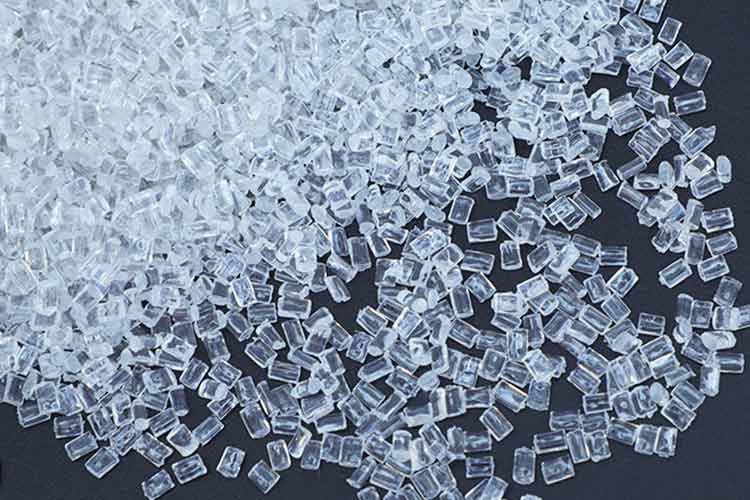
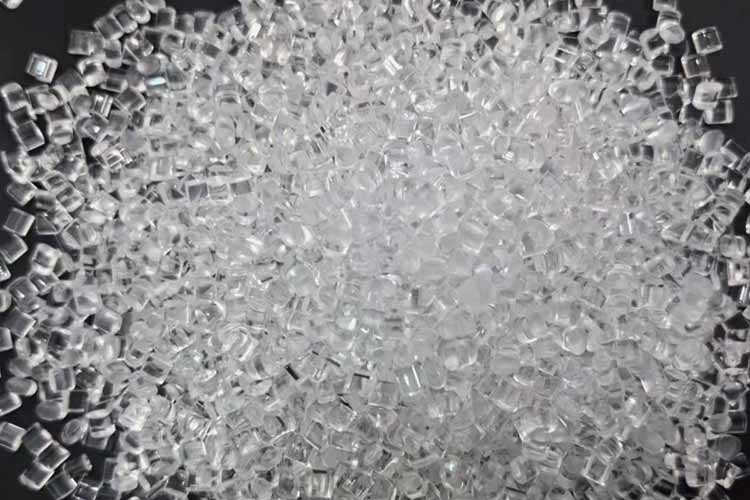
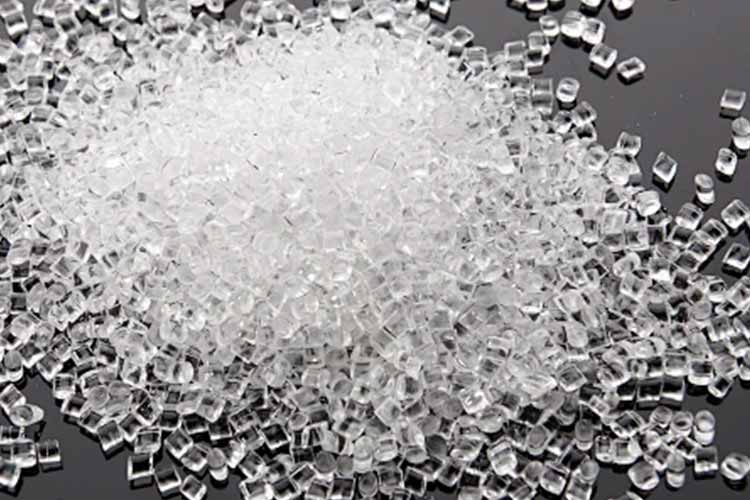
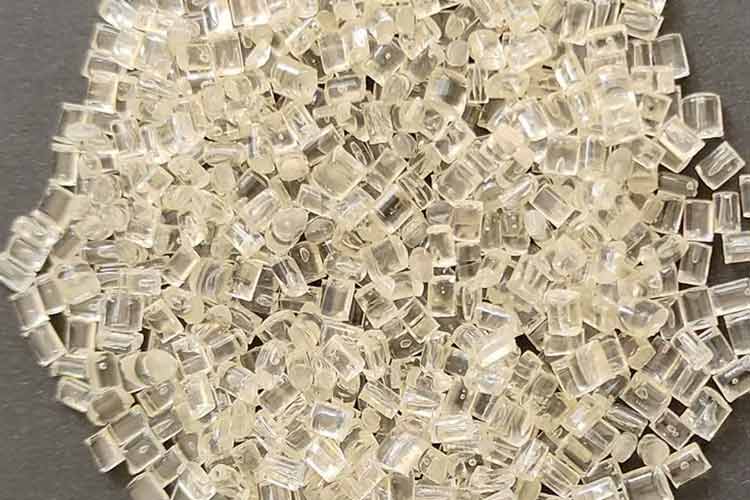
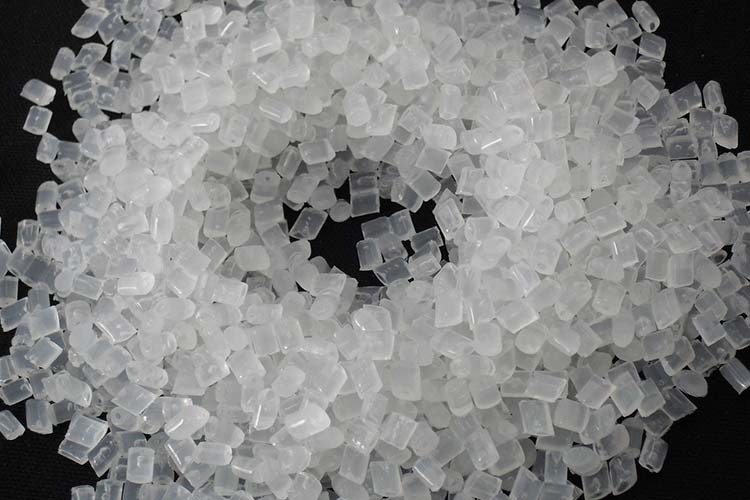
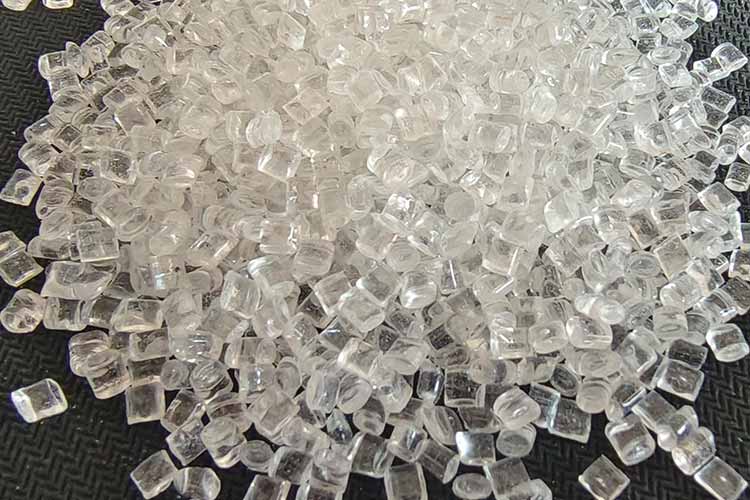
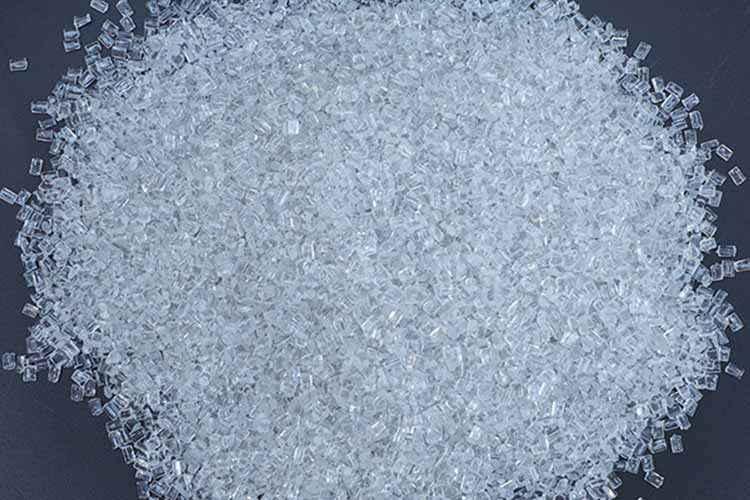
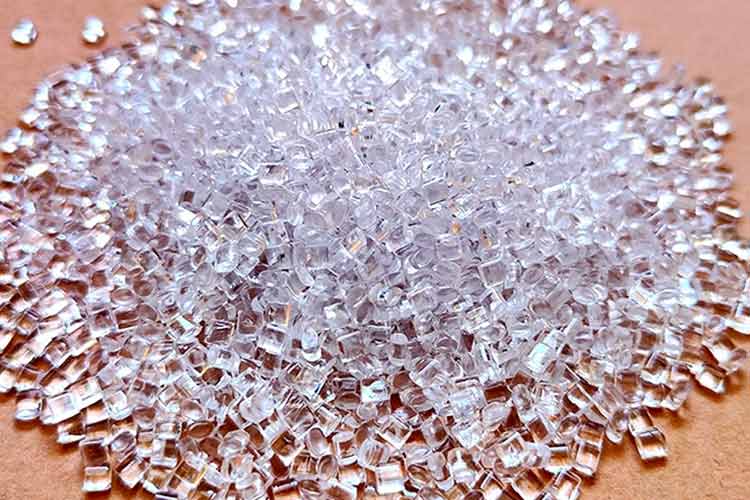
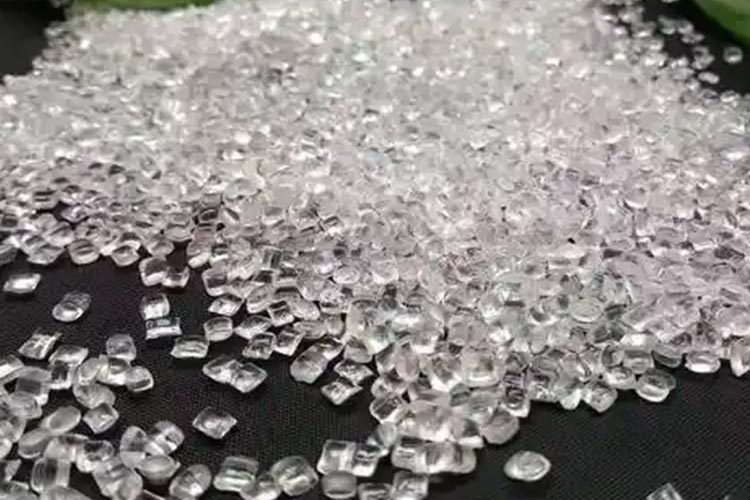
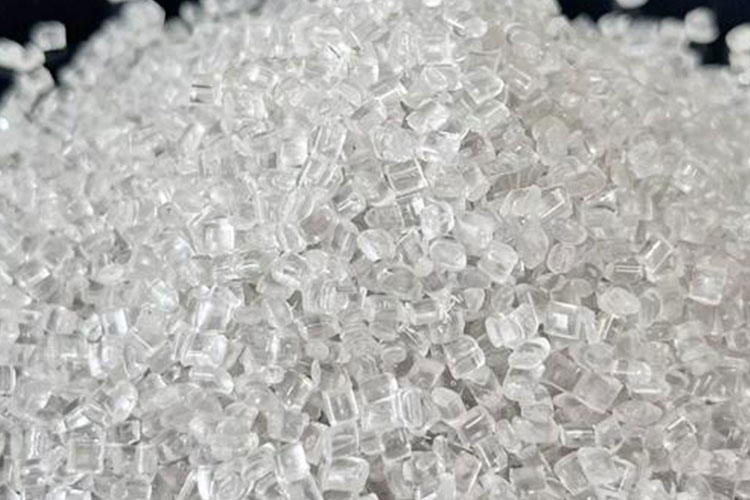
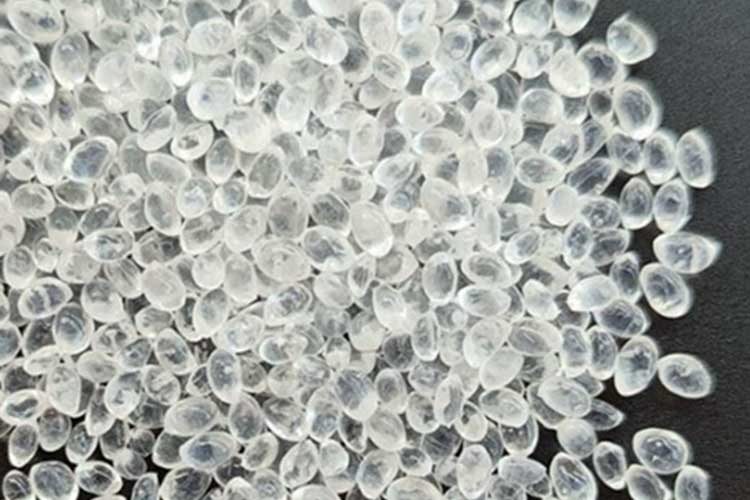
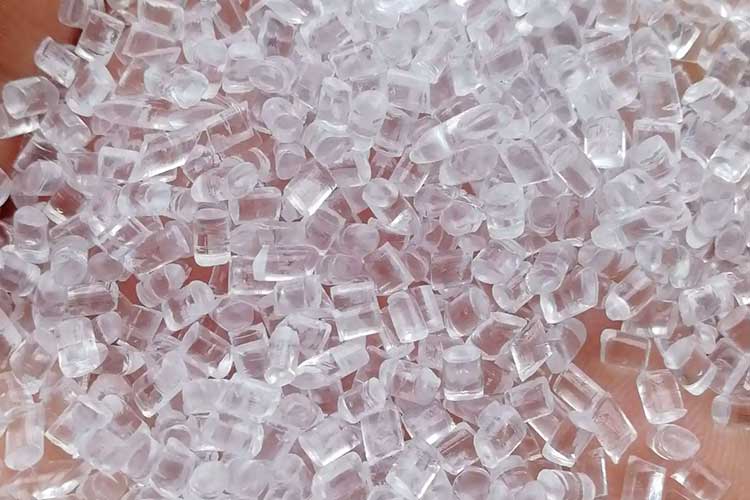
Start With the Material, Not Just the Machine
Send Us Your Bottle DrawingWhen manufacturers contact us about a new bottle project, machine size is only one part of the selection process.
The first questions should be:
- What resin will be used?
- What is the exact resin grade?
- What is the bottle volume?
- What are the bottle diameter and height?
- What is the neck diameter and neck finish?
- Is high transparency required?
- Does the bottle require high-temperature resistance?
- Will the bottle be reusable?
- Does the container require sterilization?
- What wall thickness and bottle weight are required?
- What production capacity is expected?
Different materials have different processing windows.
Injection temperature, mold temperature, preform temperature, conditioning time, stretch ratio, blowing pressure, cooling time and mold construction may all need to be adjusted according to the resin.
This is why material selection should be completed before the final machine and mold configuration is confirmed.
ISBM Material Compatibility at a Glance
| Material | Typical Bottle Characteristics | Typical Applications | Our Position |
|---|---|---|---|
| PET | High clarity, good strength, lightweight | Cosmetics, pharmaceuticals, food, beverage, personal care | Core ISBM material |
| PETG | Excellent clarity and appearance | Cosmetics, medical packaging, premium containers | Core ISBM material |
| PP | Lightweight, chemical resistant, heat resistant | Feeding bottles, pharmaceutical bottles, food and specialty containers | Core / project-specific material |
| PC | High impact resistance, transparent, durable | Reusable bottles, large water bottles, specialty containers | Core ISBM material |
| Tritan | High clarity and toughness | Sports bottles, reusable drinkware, premium containers | Core specialty material |
| PCTG | High transparency and toughness | Cosmetics, reusable bottles, specialty packaging | Core specialty material |
| PPSU | High heat resistance and durability | Feeding bottles, medical and reusable containers | Specialty material |
| PEN | Higher-performance polyester applications | High-barrier and specialty bottles | Specialty material |
| PS | Rigid specialty containers | Selected cosmetic and specialty products | Project evaluation required |
| AS / SAN | Clear and rigid containers | Cosmetic and specialty applications | Project evaluation required |
| PMMA | High optical clarity | Selected premium transparent products | Project evaluation required |
| rPET | Recycled-content PET containers | Sustainability-focused PET packaging | Resin-grade validation required |
| PE / HDPE / LDPE | Common in other blow molding processes | Detergent, chemical, household and squeeze bottles | Not a recommended material for our current ISBM / IBM platforms |
Important: Material compatibility should always be verified using the actual resin grade, bottle drawing and production requirements. A general resin name alone is not sufficient for final machine selection.
Core Materials for One-Step ISBM Bottle Production
PET - Polyethylene Terephthalate
Explore PET Bottle MoldingPET is one of the most important materials for injection stretch blow molded bottles.
It is widely selected when manufacturers require a combination of:
high transparency, good surface gloss, lightweight construction, mechanical strength, good dimensional stability and attractive packaging appearance.
The one-step ISBM process is particularly suitable for manufacturers producing premium bottles where the neck finish, bottle appearance and wall thickness distribution must be controlled accurately.
Typical PET bottle applications include:
cosmetic bottles, pharmaceutical bottles, personal care packaging, food containers, drinking bottles and specialty transparent packaging.
Because the preform is injection molded and stretch blown within the same production system, one-step ISBM eliminates the separate preform handling stage required in conventional two-step PET bottle production.
For smaller production batches, special bottle shapes, wide-mouth containers and premium packaging, this can provide significant production flexibility.
PET Project Considerations
Successful PET molding depends on more than simply setting a melting temperature.
Our engineers evaluate:
resin grade, intrinsic viscosity, drying condition, bottle weight, preform geometry, wall thickness, stretch ratio, bottle diameter, bottle height, neck dimensions and required production output.
The preform and final bottle should therefore be engineered together.
PETG - Polyethylene Terephthalate Glycol
Explore PETG Bottle MoldingPETG is frequently selected for premium packaging where transparency, surface appearance and design flexibility are important.
It is especially attractive for:
cosmetic packaging, personal care bottles, laboratory containers, medical-related packaging and specialty transparent bottles.
Compared with standard PET, PETG behaves differently during heating and forming.
Machine parameters, preform geometry, temperature conditioning and mold design must therefore be developed specifically for the selected PETG grade.
Manufacturers should not assume that an existing PET molding process can simply be copied directly to PETG.
For projects involving thick walls, premium transparency or complex bottle geometry, we recommend providing both the resin datasheet and bottle drawing before the mold is designed.
PP - Polypropylene
Explore PP Bottle MoldingPolypropylene is an important material for bottle projects requiring lightweight construction, chemical resistance and higher temperature capability.
PP is commonly considered for products such as:
feeding bottles, pharmaceutical containers, laboratory bottles, food packaging, personal care containers and other reusable or specialty packaging.
PP requires careful process control during injection stretch blow molding.
Its temperature window, preform conditioning, stretching behavior and cooling characteristics differ substantially from PET.
For this reason, PP bottle projects should be evaluated using the actual bottle design and resin grade rather than simply specifying “PP”.
Bottle geometry is particularly important.
The ratio between the neck diameter, body diameter, bottle height, wall thickness and preform dimensions can significantly affect the molding result.
For PP projects, our engineering team therefore evaluates the complete bottle-mold-machine relationship before recommending a configuration.
PC - Polycarbonate Bottle Manufacturing
Explore PC Bottle MoldingPolycarbonate is used when bottle projects require a combination of transparency, structural strength, durability and impact resistance.
PC is particularly relevant to reusable container applications.
Typical applications can include:
reusable drinking bottles, large water bottles, specialty transparent containers and other products requiring greater mechanical durability.
PC processing requires careful control of resin drying, melt condition, preform temperature, wall distribution and cooling.
Large PC containers are especially demanding because substantially more material must be injected and conditioned while maintaining consistent bottle wall thickness.
This makes machine size, plasticizing capacity, mold design and process stability particularly important.
5-Gallon PC Water Bottles - A Dedicated 750-V4 Application
Discuss a 5-Gallon PC Bottle ProjectLarge water bottles should not be treated as simply an oversized version of a small PET bottle.
A 5-gallon water bottle has substantially different requirements in terms of:
shot weight, preform size, bottle dimensions, wall thickness distribution, stretching behavior, cooling, mold size and machine structure.
For this application, we offer the 750-V4, a large-format ISBM machine developed specifically for 5-gallon water bottle production.
750-V4 - For 5-Gallon PC Water Bottles
The current 750-V4 configuration is designed primarily for manufacturing 5-gallon polycarbonate water bottles.
For this application, PC is the designated bottle material.
We do not position PE as a standard material for the 750-V4, and manufacturers should not assume that a generic 5-gallon PE bottle can be transferred directly to this ISBM platform.
The 750-V4 should therefore be presented as:
Machine: 750-V4
Application: 5-Gallon Water Bottle
Typical Volume: approximately 18.9 L
Material: PC – Polycarbonate
Process: One-Step Injection Stretch Blow Molding
This clear machine-material-application relationship makes it easier for customers to identify the correct equipment and avoids confusion between ISBM and other large-container blow molding processes.
Tritan - Clear and Durable Copolyester Bottles
Explore Tritan Bottle MoldingTritan is increasingly selected for reusable and premium transparent products where manufacturers require good clarity together with improved toughness.
Typical applications include:
sports bottles, reusable drinking bottles, premium drinkware, household products and specialty transparent containers.
From a molding perspective, Tritan should not simply be treated as PET.
The appropriate temperature profile, preform design, wall thickness, stretching conditions and cooling settings depend on the actual grade and bottle geometry.
For new Tritan projects, we recommend supplying the exact resin designation together with a bottle drawing or physical bottle sample.
This allows the machine, injection system, preform design and blow mold to be evaluated as one complete project.
PCTG - Premium Transparent Bottle Material
Explore PCTG Bottle MoldingPCTG belongs to the copolyester family and is used in applications requiring high transparency, toughness and premium appearance.
It is commonly considered for:
cosmetic bottles, reusable containers, personal care packaging, specialty drinking bottles and high-end transparent products.
Because different copolyester grades can have different processing requirements, customers should provide the exact resin grade before final machine and mold engineering begins.
Important considerations include:
material drying, melt temperature, preform wall thickness, bottle expansion ratio, mold cooling and cycle requirements.
For manufacturers considering PETG, PCTG or Tritan, the final material decision should be based on both product performance and moldability rather than appearance alone.
PPSU - High-Performance Material for Reusable Bottles
Discuss a PPSU Bottle ProjectPPSU is a high-performance engineering thermoplastic used in demanding reusable applications.
It is particularly associated with products that require repeated use and elevated-temperature performance.
Potential applications include:
premium feeding bottles, medical-related containers, reusable specialty bottles and other demanding molded products.
Compared with PET or PP, PPSU requires a more specialized molding approach.
Material drying, processing temperature, machine configuration, mold design and cooling must all be evaluated carefully.
Because PPSU resin is considerably more specialized than commodity bottle materials, mold trials and application validation are particularly important before mass production.
The exact resin grade and final product requirements should therefore be confirmed during the project engineering stage.
PEN and Other Specialty Polyester Materials
PEN is used in specialty applications where manufacturers require performance beyond conventional PET.
Depending on the resin grade and final application, PEN can be considered where additional barrier or thermal performance is required.
However, specialty polyester projects generally have narrower processing windows and lower production volumes than standard PET projects.
Machine selection should therefore be based on actual resin data and bottle testing.
For PEN and similar specialty resins, we recommend treating each bottle as an engineering project rather than assuming standard PET parameters.
PS, AS/SAN, PMMA and Other Project-Specific Resins
Evaluate a Specialty ResinOur machines may also be evaluated for selected specialty thermoplastic bottle projects using materials such as:
PS, AS/SAN, PMMA and other transparent engineering resins.
These materials should not be presented as universally interchangeable with PET, PETG, PP or PC.
Actual suitability depends on:
the exact resin grade, melt properties, bottle geometry, required wall thickness, surface appearance, production speed and mold configuration.
For this reason, these materials are classified as project-specific materials.
If your bottle uses a specialty resin, send us the resin datasheet and bottle drawing before choosing the machine.
Can PE Be Used on Our ISBM or Injection Blow Molding Machines?
Ask About Your PE Bottle ProjectThis is an important question because polyethylene materials such as HDPE and LDPE are widely used throughout the global bottle manufacturing industry.
However, the fact that PE is widely used in blow molding does not mean every blow molding process or machine platform is optimized for PE.
PE Is Not a Recommended Material for Our Current ISBM and IBM Platforms
For our current machine portfolio, PE, HDPE and LDPE are not positioned as standard recommended materials for either our ISBM or injection blow molding machine platforms.
Our primary material focus is on resins such as:
PET, PETG, PP, PC, Tritan, PCTG, PPSU and other selected specialty thermoplastics.
If your existing bottle is manufactured from HDPE or LDPE, do not choose an ISBM or IBM machine only because another generic source states that the material can be blow molded.
The correct manufacturing process should be evaluated first.
Many conventional PE bottles are produced using other blow molding technologies specifically optimized around polyethylene processing behavior.
If your project requires PE, send us the bottle drawing, resin information and production requirements before equipment selection.
Our engineers can evaluate whether the project is appropriate for our current machine range or whether another molding process would be more suitable.
ISBM vs. Injection Blow Molding - Material Is Only Part of the Decision
ISBM or IBM? Ask Our EngineerSelecting between injection stretch blow molding and injection blow molding should not be based on material alone.
The final decision depends on the combination of:
material, bottle geometry, neck dimensions, product size, wall distribution, appearance, required orientation, production speed and mold structure.
Injection Stretch Blow Molding - ISBM
ISBM integrates preform injection, temperature conditioning, stretch blowing and bottle formation into one continuous molding process.
The stretching stage makes ISBM particularly valuable for bottles where controlled wall distribution, strength, clarity and bottle appearance are important.
It is one of our primary technologies for materials such as:
PET, PETG, PP, PC, Tritan, PCTG and selected specialty resins.
Injection Blow Molding - IBM
Injection blow molding first injection molds the preform and then forms the final bottle without the same biaxial stretch-blowing stage used in ISBM.
IBM can be useful for selected bottle geometries and applications where precise injection-molded neck finishes and compact bottle production are required.
However, our current IBM range should not automatically be promoted as an HDPE or PE platform.
Machine and material compatibility must be confirmed according to the actual project.
How We Match the Material to the Bottle and Machine?
A successful bottle project requires more than determining whether a resin can physically melt inside the machine.
We evaluate the complete molding system.
1. Resin Grade
Different grades within the same polymer family can behave very differently.
For example, two PET, PP or copolyester grades may have different flow behavior, viscosity, drying requirements or forming windows.
Whenever possible, provide the manufacturer’s material datasheet.
2. Bottle Weight
Bottle weight determines the amount of resin that must be injected during every cycle.
It directly affects injection capacity, plasticizing capacity, preform design and machine size.
3. Bottle Dimensions
We require:
body diameter, bottle height, neck diameter and overall bottle geometry.
These dimensions determine whether the bottle fits within the molding envelope of a particular machine.
4. Preform Design
The preform is not simply a smaller bottle.
Its weight distribution, wall thickness, neck design, length and geometry determine how material moves during the final blow molding stage.
5. Stretch Ratio
For ISBM projects, the relationship between preform dimensions and finished bottle dimensions is critical.
The correct stretching conditions help achieve appropriate wall distribution and bottle performance.
6. Temperature Window
Different resins require different injection, conditioning, blowing and cooling conditions.
The machine and tooling must maintain stable temperatures throughout continuous production.
7. Neck Finish
The neck is formed during the injection stage.
Neck diameter, thread geometry, sealing requirements and tolerance therefore affect the preform mold and machine configuration.
8. Production Capacity
A material may be technically moldable, but the project must also meet the customer’s required production output.
Cavity number, bottle weight, cooling time and molding cycle all influence final output.
Choose Materials by Bottle Requirement
When High Transparency Is the Priority
Consider materials such as:
PET, PETG, PC, Tritan and PCTG.
The final selection depends on required durability, bottle appearance, cost and application conditions.
When Heat Resistance Is Important
Depending on the application and resin grade, materials such as PP, PPSU or PC may deserve evaluation.
The actual working temperature and sterilization requirements should be provided before material selection.
When Reusability and Durability Are Important
PC, Tritan, PCTG, PPSU and selected PP grades may be evaluated depending on bottle design and application.
When Premium Cosmetic Appearance Is Important
PET, PETG, PCTG and selected transparent specialty materials are often strong candidates.
Bottle geometry, wall thickness and decoration requirements should be considered together.
When Producing a 5-Gallon Water Bottle
For our 750-V4 ISBM machine, the current recommended application is:
5-gallon PC water bottle production.
PC should therefore be treated as the core material for this machine/application combination.
Materials by Application
Cosmetic & Personal Care Bottles
Explore Cosmetic Bottle Applications →Typical materials to evaluate include:
PET, PETG, PCTG, Tritan and selected specialty transparent resins.
Pharmaceutical & Healthcare Packaging
Explore Pharmaceutical Bottle Applications →Depending on bottle requirements, materials may include:
PET, PETG, PP and selected engineering thermoplastics.
Final resin selection should always consider the customer’s own regulatory and product-contact requirements.
Baby & Feeding Bottles
Explore Feeding Bottle Applications →Potential materials include:
PP, PPSU, Tritan and selected specialty polymers.
Heat resistance, repeated use and product-contact requirements are important considerations.
Sports & Reusable Water Bottles
Explore Sports Bottle Applications →Typical candidates include:
Tritan, PC, PCTG, PET and selected PP grades.
Bottle strength, clarity, wall thickness and required service life should be evaluated.
5-Gallon Water Bottles
Explore 5-Gallon Water Bottle Production →Our current large-format ISBM solution is based on:
750-V4 + PC + 5-Gallon Water Bottle
Can One ISBM Machine Produce Bottles From Different Materials?
Potentially, yes – but this should never be interpreted as meaning that every resin can be changed simply by replacing the raw material in the hopper.
Different materials can require different:
temperature settings, drying systems, screw conditions, molds, preform geometry, stretch settings, blowing parameters and cooling conditions.
Some applications may also require dedicated tooling or machine configurations.
Therefore, if you intend to manufacture several materials on the same production platform, tell us this requirement before the machine is ordered.
We can evaluate your planned resin range together with the bottle portfolio.
What About Recycled PET?
Recycled-content PET projects require additional evaluation.
The processing behavior of recycled resin can vary according to:
recycled-content percentage, resin source, viscosity, moisture level, contamination control and material consistency.
For this reason, we do not recommend specifying an rPET project only by saying “100% recycled PET” or “50% rPET”.
Provide the actual resin information and expected bottle performance.
Machine parameters, preform design and process settings can then be evaluated for the selected recycled-content formulation.
Material Selection Should Happen Before Mold Manufacturing
One of the most expensive mistakes in a bottle production project is finalizing the mold before confirming the material and production process.
Changing materials later can affect:
preform dimensions, bottle weight, stretch ratio, cavity design, cooling layout and production cycle.
For best results, we recommend confirming the following sequence:
Bottle Application → Material → Bottle Drawing → Process → Machine → Preform Design → Mold → Production Parameters
This approach reduces the risk of making a technically correct mold for the wrong resin or selecting a machine that cannot achieve the required production conditions.
From Resin to Finished Bottle - Complete Project Support
We do more than supply an ISBM machine.
Our engineering approach connects:
bottle design, resin selection, machine selection, preform engineering, mold design and final bottle production.
For new bottle projects, customers can send us:
- Bottle drawing or physical bottle sample
- Resin type and exact material grade
- Bottle volume
- Bottle weight
- Neck diameter and neck finish
- Body diameter and bottle height
- Required production capacity
- Number of cavities expected
- Product application
- Any special heat, clarity or performance requirements
Using this information, we can recommend a more appropriate machine and molding configuration.
Frequently Asked Questions About ISBM Materials
What materials can an injection stretch blow molding machine process?
Our primary ISBM material range includes PET, PETG, PP, PC, Tritan, PCTG, PPSU and selected specialty thermoplastics. Actual compatibility depends on the resin grade, bottle geometry and machine configuration.
What is the most common material for ISBM bottles?
PET is one of the most important materials used for ISBM bottle production because it combines transparency, strength, lightweight construction and good packaging performance.
However, the best resin depends on the bottle application.
Can your ISBM machine process PE?
PE is not a standard recommended material for our current ISBM machine range.
If your bottle is currently manufactured from HDPE, LDPE or another polyethylene material, contact us before selecting a machine so that the manufacturing process can be evaluated correctly.
Can your injection blow molding machine process HDPE?
We do not currently position HDPE or PE as a standard target material for our ISBM platform.
Customers with HDPE bottle projects should provide the bottle drawing and resin information for process evaluation before equipment selection.
What material should be used for a 5-gallon water bottle on the 750-V4?
The current 750-V4 application is designed around polycarbonate — PC — 5-gallon water bottle production.
For this machine and application, PC is the designated material.
Is PETG processed the same way as PET?
No.
Although PET and PETG belong to related polyester families, they have different material behavior and processing requirements.
Temperature settings, preform design and molding parameters should be developed specifically for the actual resin grade.
Can the same machine produce PET and PP bottles?
This depends on the machine configuration, bottle designs and production requirements.
PET and PP have substantially different processing characteristics.
If both materials must be produced on the same platform, this requirement should be discussed during machine selection rather than after equipment installation.
Can ISBM machines process Tritan?
Yes, selected ISBM machine configurations can be developed for Tritan bottle projects.
The exact Tritan grade, bottle drawing and production requirements should be provided before final equipment and mold configuration.
Is PPSU suitable for ISBM?
PPSU can be considered for specialized ISBM bottle applications, particularly demanding reusable products.
Because PPSU is a high-performance engineering material, the actual resin grade and bottle project should be evaluated individually.
Can recycled PET be used?
rPET can be evaluated, but recycled-content level, resin quality, viscosity, moisture and consistency must be considered.
We recommend supplying the exact rPET material information before production parameters are confirmed.
Which material is best for transparent cosmetic bottles?
PET, PETG and PCTG are important candidates, with other transparent engineering materials available for specialty projects.
The best option depends on the required appearance, wall thickness, chemical compatibility, decoration method and bottle design.
Should I choose the material or machine first?
The material should normally be defined before final machine configuration.
Ideally, material, bottle geometry, machine and mold are engineered together.
Not Sure Which Material Fits Your Bottle?
Send us your bottle drawing, bottle sample or project requirements.
Our engineers can review:
your bottle size, target resin, bottle weight, neck dimensions, production capacity and application before recommending an ISBM or IBM machine.
This avoids selecting equipment based only on generic machine specifications.
Tell Us About Your Bottle Project
Please provide:
Material
Bottle Volume
Bottle Weight
Bottle Drawing
Required Output per hour
and we can begin machine selection from there.
Related Content
Explore by Machine
Explore by Application
Cosmetic Bottles →
Pharmaceutical Bottles →
Feeding Bottles →
Sports Water Bottles →
5-Gallon Water Bottles →
Explore by Material
PET →
PETG →
PP →
PC →
Tritan →
PCTG →
PPSU →
PEN →
rPET →