
ISBM Applications
ISBM Baby Feeding Bottles
A baby feeding bottle must be evaluated for the way families will fill, clean, heat, carry and repeatedly use the complete product. For buyers planning ISBM baby feeding bottles, the starting point is therefore not only a bottle shape. It is a controlled specification covering the container, teat, retaining ring and intended use conditions.
This guide to ISBM baby feeding bottles helps you prepare that specification before discussing a bottle-making project. Material suitability, finished-product safety and any market-specific requirements need their own evidence. No bottle photograph or general polymer description should be treated as proof of approval for infant feeding.
For ISBM baby feeding bottles, an agreed product specification helps the bottle producer and accessory suppliers identify the interfaces that need joint review.
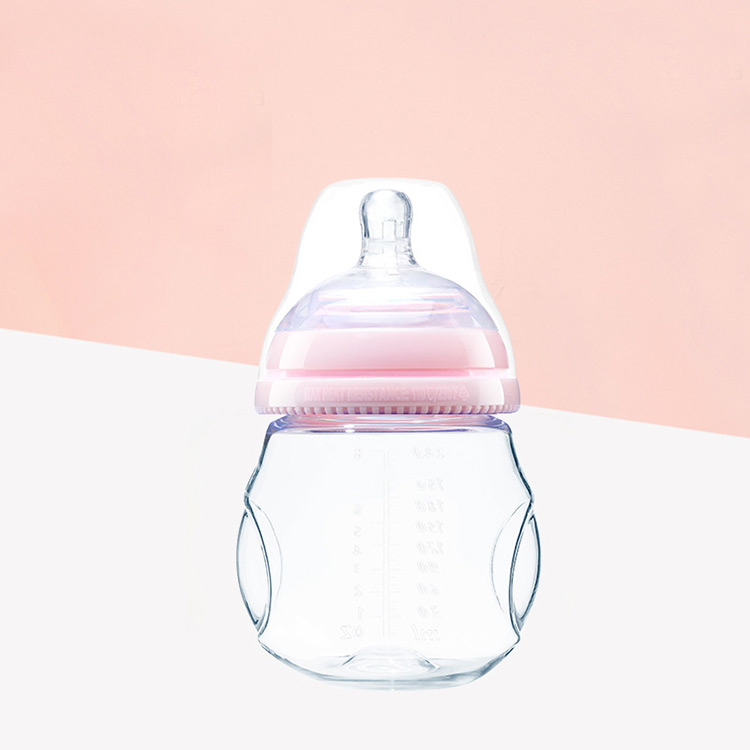
What should buyers define for ISBM baby feeding bottles?
When specifying ISBM baby feeding bottles, document the intended contents, use temperature, cleaning method and any proposed disinfection or sterilization instructions. Describe the expected number or pattern of reuse cycles and the conditions under which the product may be stored. Avoid broad claims such as “heat resistant” when a product requirement depends on a defined temperature, duration and sequence.
The intended instructions for consumers should guide the test plan. If the product will be promoted for dishwasher cleaning, boiling or another process, that claim needs appropriate finished-product evidence. Do not assume that approval for one cleaning method covers every other method.
Include foreseeable handling conditions in the requirements review. Filling, shaking, transport, opening and reassembly can create different demands on the bottle and closure system. The buyer’s product team should decide which conditions must be evaluated and define the acceptance criteria.
What must the bottle, teat and retaining ring do together?
Specify ISBM baby feeding bottles as complete assemblies rather than bodies with a nominal neck diameter. Provide controlled drawings or samples of the intended teat, ring, cap and any other mating components. Identify sealing surfaces, thread details, dimensional tolerances and the assembly method.
Explain how leakage will be assessed before and after the intended cleaning or temperature cycles. A component that fits when new may still need evaluation after repeated processing and use. If the design contains a venting feature, its function belongs in the complete product assessment rather than being assumed from the bottle geometry.
Capacity markings, visibility, grip and handling should also have clear requirements. State how markings will be applied and what they are expected to indicate. Where accuracy or durability matters, define the relevant test instead of relying on the appearance of the artwork.
| Requirement | Information to supply | Review objective |
|---|---|---|
| Use conditions | Contents, temperatures and use sequence | Define the actual service environment |
| Cleaning and reuse | Methods, exposures and claimed reuse conditions | Establish a relevant durability evaluation |
| Assembly | Bottle, teat, ring and cap drawings | Check fit, sealing and dimensional interfaces |
| Material | Exact grade, additives, color and supporting documentation | Assess the proposed material for the intended product |
| Handling | Drop, transport and leakage requirements | Agree finished-assembly acceptance criteria |
| Market | Destination countries and product requirements | Identify the evidence required for sale and claims |
How should material selection be approached?
Material selection for ISBM baby feeding bottles requires an exact grade rather than a polymer family name. The selection should consider the intended use, processing conditions, appearance and applicable market requirements. Obtain supporting information from the resin supplier and define the finished-product evaluation with the responsible quality or compliance team.
Do not assume that a material described as food-contact suitable is automatically suitable for every infant-feeding product or repeated-use condition. Colorants, additives, processing and the complete product design may need to be considered in the assessment.
Our baby feeding bottle examples can help you explain the shape and format you have in mind. They are references for discussion, not a statement that every illustrated material or design has been qualified for your market. ISBM baby feeding bottles should be assessed against the actual specification and supporting evidence for the proposed project.
Which production requirements affect equipment selection?
To assess equipment for ISBM baby feeding bottles, provide bottle capacity, target weight, overall dimensions, neck finish and the formats you intend to manufacture. State the required number of acceptable bottles per hour and the expected batch sizes. Equipment selection should follow the bottle and quality requirements rather than an isolated output target.
If you plan several capacities or colors, describe the product mix and desired changeover arrangements. Ask which tooling and production settings change between formats, what support equipment is included and how restart quality will be checked.
Define the installation conditions, including factory location, electrical supply, available space and material-handling arrangements. The ISBM equipment overview is a starting point for this discussion, but a general machine description cannot establish the suitability of your finished feeding product.
What should trials for ISBM baby feeding bottles verify?
Before trials for ISBM baby feeding bottles, agree the bottle drawing, resin grade, target weight, closure components and inspection criteria before trials. Identify which tests address molding consistency and which assess the complete feeding product. Record who performs each evaluation and how the samples are traced to the material, mold and production conditions.
The plan may need separate checks before and after the intended cleaning and use exposures. Define dimensional, appearance, leakage and handling criteria according to the product’s requirements. Keep approved samples and test reports associated with the exact revision that was evaluated.
Also agree how changes will be reviewed. Replacing a resin grade, changing a neck dimension or introducing a new teat supplier can affect the product assessment. A prior sample approval should not silently extend to a materially different assembly.
Discuss your feeding bottle project
A clear specification for ISBM baby feeding bottles makes the equipment conversation more useful and reduces assumptions between suppliers. Discuss your bottle project with the drawings, use conditions and evidence requirements available. Explore our other ISBM applications for different industry needs.
Questions before you specify the equipment
Does a particular resin guarantee a safe feeding bottle?
No material name alone provides that guarantee. The exact grade, additives, intended use, processing and finished product need assessment against the applicable requirements. Request evidence that matches the product and market you plan to supply.
Can the bottle be advertised as dishwasher safe?
Only when the relevant finished-product evidence supports that claim under defined conditions. Do not transfer a supplier’s general material description directly into consumer instructions without appropriate evaluation.
What is the minimum information for an initial review?
For an initial review of ISBM baby feeding bottles, send bottle and closure drawings or samples, capacity, exact material requirements, target output and destination markets. Describe the intended contents, cleaning and heating instructions, expected reuse conditions, and the teat, ring or other components that must fit. Include the product tests and documentation your team requires before approving the finished assembly.
Start with your container
Discuss Your Bottle Project
Send your bottle drawing or sample, resin grade, capacity and weight, neck finish, target output and intended use. Tell us the filling or cleaning conditions and destination market so the discussion starts with the requirements that matter.
Equipment selection and acceptance criteria should be confirmed for your specific project. For another packaging use, explore our ISBM applications.