
Applications / Food Packaging
Food Container Manufacturing Equipment
Food container manufacturing equipment should be specified from the filled package and its operating conditions, not from an empty bottle photograph alone. A condiment bottle, edible oil container and food jar can require different filling, closure, inspection and handling arrangements. Begin with a user requirements specification that connects each container family to its intended food, filling conditions and acceptance records. This guide organizes those inputs for engineering review; it does not establish that a particular machine or resin is suitable for your project.
Start with the requirements
- Define the container and contents
- Document the production conditions
- Agree the evidence and acceptance plan
- Review the machine and mold together
01 / Food Packaging
What must be defined before comparing production equipment?
Define the supply boundary first: empty-container molding, downstream conveying, inspection, filling and closing are separate functions unless the written proposal explicitly combines them. Prepare a responsibility list identifying who supplies each function, who verifies interfaces and who approves the final package. This prevents an equipment quotation from being mistaken for a complete food packaging system.
List each launch container and planned extension. Record drawing revision, nominal volume in milliliters, target mass in grams, neck finish and maximum envelope dimensions in millimeters. Specify required accepted containers per hour and the shift pattern behind that requirement. Treat these as buyer inputs, not as output promised by an unidentified machine. Keep the agreed requirement and subsequent test report together.
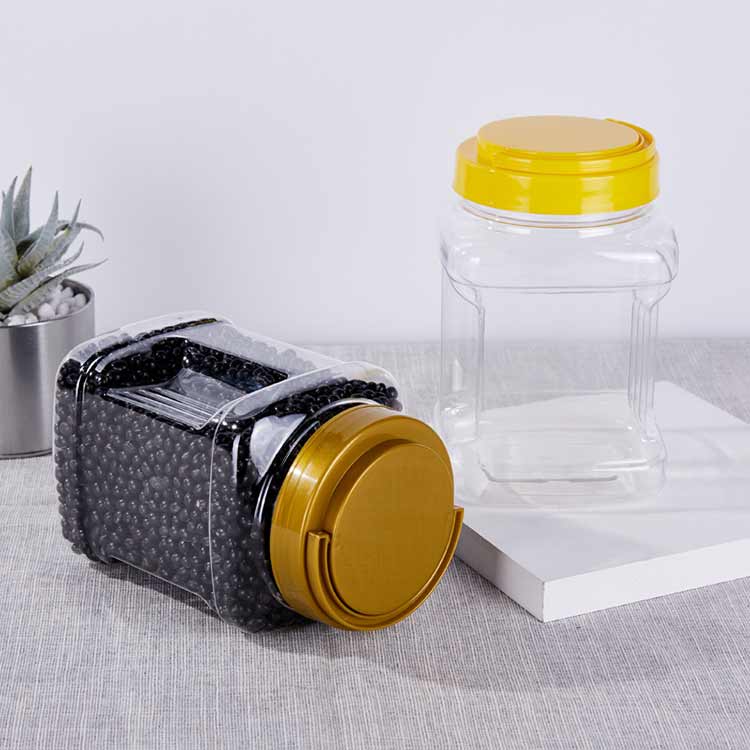
For container appearance and geometry examples, consult the food bottle reference page. This application guide addresses the production requirements surrounding those containers rather than creating another sample gallery.
02 / Food Packaging
How do filling conditions affect the requirements?
Record the actual product, fill temperature, exposure time and storage conditions before asking an engineer to review the molding route. An empty container that meets its dimensions has not automatically demonstrated acceptable behavior during filling, cooling, distribution or use. Define the complete exposure sequence and assess the filled, closed package against agreed criteria.
The FDA distinguishes food types and conditions of use, including room-temperature filling, hot filling and refrigerated storage. These classifications illustrate why the intended use must accompany food-contact documentation; they are not an approval of an individual machine or container. See the FDA food types and conditions of use reference.
For a proposed condiment package, identify the food formulation family and filling sequence. For edible oil, describe the product and shelf-life requirements. For jars, include the opening, closing and handling method. Do not assume these families can share one validated process simply because their volumes are similar.
03 / Food Packaging
Which material documents belong in the project file?
Ask for documents that identify the exact resin, additives and intended use, then have the relevant packaging or regulatory specialist assess whether their scope matches the finished article and destination market. A general material name or supplier brochure cannot replace that check. Changing a colorant or component may require the supporting file to be reassessed.
The FDA explains that food-contact status depends on the individual substances and their applicable authorization. It also notes that a Food Contact Notification is specific to the identified manufacturer, substance and conditions of use. Consult its component regulatory-status guidance rather than treating an unrelated notification as transferable approval.
Retain supplier identity, grade and lot references, document revision, intended-use limitations and the review conclusion. Requirements in other markets must be checked separately. This page does not certify food-contact compliance.
04 / Food Packaging
How should inspection and traceability be planned?
Write measurable acceptance criteria before the trial and identify the records needed to investigate a rejected lot. Candidate checks include critical dimensions, closure fit, container mass, visible defects and the package tests selected for the intended use. The responsible engineer and quality team should agree the methods, sampling and limits; no universal acceptance values are supplied here.
Link trial samples to the drawing revision, material lot, tooling identity and recorded production conditions. Distinguish molded-container acceptance from filled-package acceptance. A closure leak, a conveying jam and an appearance defect need different observations even when they occur on the same SKU.
05 / Food Packaging
What must be agreed at the downstream handover?
Specify how containers leave molding and enter the next operation, including orientation, spacing, transfer height and responsibility for stopping or restarting connected equipment. Evaluate the actual container family at the interface rather than relying only on nominal line speed. Include how rejected containers are separated and how acceptable containers are protected during buffering.
If molding and filling are operated separately, define storage, transport and identification between them. If they are connected, identify interface signals and the consequences of a downstream stop. These are proposed review topics, not a statement that any particular auxiliary equipment is included.
06 / Food Packaging
What belongs in the food container production line worksheet?
Use one row per container family and retain a separate attachment for each drawing and test plan.
| Requirement group | Buyer input | Evidence to retain |
|---|---|---|
| Food and exposure | Formulation family; filling and storage sequence | Approved product brief and exposure schedule |
| Container | Volume, mass, neck and envelope dimensions | Controlled drawing and identified samples |
| Materials | Resin grade, additives and market | Supplier documents and scope review |
| Output | Accepted containers per hour and shift pattern | Agreed calculation and trial basis |
| Inspection | Characteristics, methods and acceptance limits | Approved inspection plan and results |
| Traceability | Material, tooling and production identifiers | Lot record structure and example record |
| Transfer | Orientation, height, buffering and stop behavior | Interface drawing and handover checklist |
An incomplete row is an open requirement, not a failed machine selection. Assign an owner and required evidence before comparing proposals.
07 / Food Packaging
What should buyers clarify next?
Can one approval cover several container families? Only if the responsible reviewers establish the scope and supporting evidence. Similar appearance or capacity alone does not establish equivalence.
When is engineering review necessary? Before assigning a material, molding configuration, output commitment or acceptance guarantee to the project. Review is especially important when filling exposure, closure requirements or container dimensions change.
Where should the project proceed? Use the applications overview to compare industry requirements and the injection stretch blow molding equipment overview for the equipment discussion.
08 / Food Packaging
What does published industry evidence establish?
Nissei ASB identifies food, spice and salad-dressing containers among applications of its ASB-50MB one-step machine. This supports considering ISBM as a candidate route for these sectors, not transferring that manufacturer's specifications or test results to our equipment. The actual resin, container and production arrangement require project review. See the original equipment manufacturer application reference.
Discuss Your Bottle Project
Send your resin grade if selected, bottle drawing or sample, volume and mass, neck and envelope dimensions, required accepted output, factory country and electrical supply. Include a contact name, email and phone or WhatsApp number through the project contact page. Identify unknown inputs explicitly so they can be reviewed without turning assumptions into specifications.
Source pages reviewed on November 10, 2026. The worksheets are proposed planning aids, not completed project test records.