
ISBM Applications
ISBM Pharmaceutical Packaging
Pharmaceutical packaging decisions begin with the medicine, its dosage form and the evidence needed to protect it throughout its shelf life. For an ISBM pharmaceutical packaging project, bottle geometry and molding requirements must be considered alongside the complete container closure system. A well-formed bottle alone does not establish pharmaceutical suitability.
This guide to ISBM pharmaceutical packaging helps manufacturers organize the requirements for tablet, capsule and oral-liquid bottle projects before discussing equipment. It is not a claim that every material, machine or bottle format is qualified for pharmaceutical use. Share your intended use and qualification requirements so the project can be assessed on a defined basis.
For ISBM pharmaceutical packaging, the intended medicine and closure system should remain identifiable throughout the drawing, sample and acceptance records.
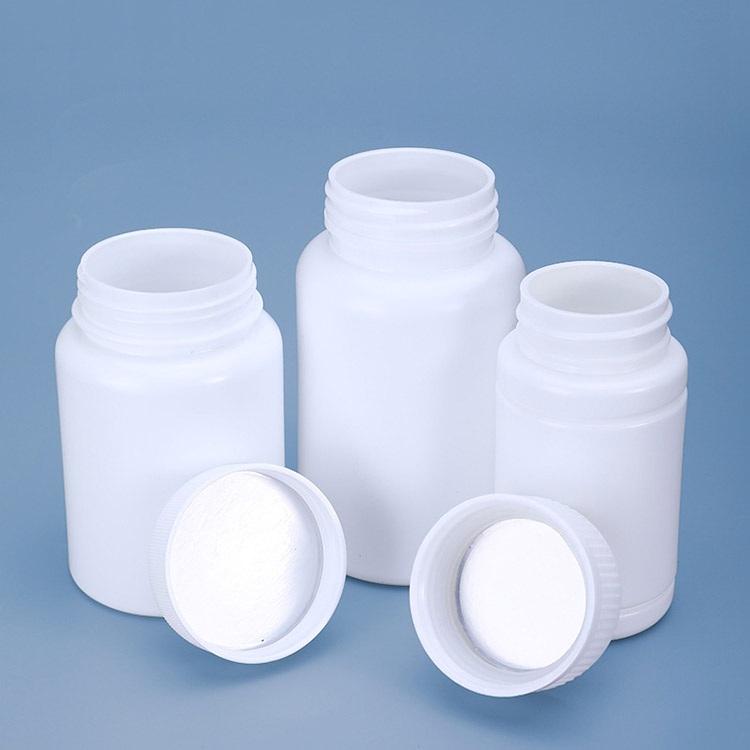
What should buyers define for ISBM pharmaceutical packaging?
Define ISBM pharmaceutical packaging around the dosage form and the characteristics of the product that affect packaging. Tablets and capsules may raise different moisture, handling and dispensing questions from oral liquids. Record the intended shelf life, storage conditions, fill quantity and distribution environment, together with any sensitivity to light, moisture or interaction with packaging materials.
The product owner should define these requirements from product knowledge and applicable studies. Avoid selecting a bottle only because another medicine uses a similar shape. Differences in formulation, closure, liner, headspace or storage can change the package requirements.
Dietary supplements and pharmaceutical products should not be treated as interchangeable categories. Identify the product’s actual regulatory category and destination market rather than applying a general “medical bottle” label to every project.
How should you specify the container closure system?
For ISBM pharmaceutical packaging, provide controlled drawings for the bottle and closure. Include the neck finish, sealing surfaces, dimensional tolerances, fill volume, headspace, target bottle weight and any relevant dosing or dispensing interface. If the package uses a liner, induction seal, desiccant or dispensing accessory, identify it in the project information.
Sealing performance must be assessed with the intended components and process. A cap that fits a thread is not necessarily evidence of suitable package protection. Closure application conditions, component variation and changes during storage may need to be included in the qualification plan.
For an oral-liquid project, explain how the bottle will be filled, closed and used. For solid dosage forms, explain the filling and counting operation and any interaction with protective inserts. These are project requirements, not an assumption that the bottle-making equipment includes pharmaceutical filling or packaging operations.
| Requirement area | Buyer input | Evidence to agree |
|---|---|---|
| Dosage form | Tablet, capsule or oral liquid; fill quantity and intended use | Product-specific package requirements |
| Protection | Light, moisture and other stability concerns | Appropriate package performance and stability assessment |
| Closure system | Bottle, cap, liner and accessory specifications | Assembly fit and agreed sealing or integrity tests |
| Material | Exact resin grade, additives and supplier documentation | Intended-use review and required qualification records |
| Manufacturing control | Cleanliness, handling, identification and traceability requirements | Defined controls and records within each supplier’s scope |
Which material questions should be resolved early?
Material specifications for ISBM pharmaceutical packaging should identify the exact resin grade and any colorant or additive system. A polymer family name is not a complete material specification. Obtain documentation from the material supplier and establish which requirements apply to the final container and its intended contact with the product.
Consider compatibility with the formulation and the conditions of filling, storage and use. Where the product assessment requires extractables, leachables or other chemical evaluation, agree who defines and performs that work. Do not infer an acceptable result from the molding process or the appearance of a sample.
Color and opacity also need a clear purpose. An amber appearance does not, by itself, establish a defined light-protection performance. Write the required property and test criterion rather than substituting a color description for evidence.
ISBM pharmaceutical packaging evaluation should connect material selection to container design and the product owner’s qualification plan. The equipment discussion follows those requirements; it does not replace them.
What cleanliness and traceability controls belong in the scope?
An ISBM pharmaceutical packaging brief should describe the required condition of the empty bottle at delivery to filling. Define how it will be handled, inspected, stored and transferred, and identify which operations occur in the molding area and which occur downstream. If a controlled environment is required, define the requirement and its boundary rather than assuming that a machine alone creates that environment.
Traceability should connect approved material, production lot, tooling and inspection records. Discuss what information your quality system needs and what records the equipment or manufacturing workflow is expected to provide. Any promised record function should be demonstrated and documented in the agreed supply scope.
Changes also require a plan. A new resin grade, colorant, closure, mold revision or production condition may require review before the package is released for use. Decide how changes are communicated and assessed rather than relying on an unchanged product name.
What should ISBM pharmaceutical packaging trials verify?
Compare ISBM pharmaceutical packaging proposals using the same bottle drawings, materials, quality criteria and output definition. Compare acceptable bottles per hour under the agreed conditions, not unsupported headline rates. Ask which tooling, auxiliary equipment, inspection functions and documentation are included.
Identify the tests required during trials and acceptance. Agree the sample quantity, test ownership, pass criteria and treatment of failures. Keep the machine acceptance criteria separate from pharmaceutical product approval, while documenting the information that must pass between them.
Use our pill bottle examples to discuss format and appearance. For the equipment side, review the ISBM equipment overview. Neither a photograph nor an equipment description substitutes for your product-specific qualification.
Discuss your pharmaceutical bottle project
To discuss ISBM pharmaceutical packaging, send the bottle and closure drawings, dosage form, resin grade, fill quantity, required output and qualification expectations. Include the installation location and the evidence your quality team will require. Discuss your bottle project or return to our ISBM applications to compare related production needs.
Questions before you specify the equipment
Is a molded sample enough to approve pharmaceutical packaging?
No. A sample can support dimensional and manufacturing discussions, but the product owner still needs the applicable material, compatibility, protection and container closure evidence. Define those acceptance requirements before ordering tooling.
Can one bottle serve tablets and oral liquids?
Possibly, but that cannot be assumed. Filling, dispensing, closure and compatibility requirements differ. Evaluate each intended product and use condition rather than transferring approval from one dosage form to another.
Can you confirm compliance before receiving our specification?
Compliance cannot be confirmed without knowing the intended product, container system, destination market and applicable requirements. For ISBM pharmaceutical packaging, provide the dosage form, exact material specification, closure details and required compatibility, protection and documentation evidence. Agree who supplies and reviews each item; an equipment proposal or molded sample is not approval of the finished medicine.
Start with your container
Discuss Your Bottle Project
Send your bottle drawing or sample, resin grade, capacity and weight, neck finish, target output and intended use. Tell us the filling or cleaning conditions and destination market so the discussion starts with the requirements that matter.
Equipment selection and acceptance criteria should be confirmed for your specific project. For another packaging use, explore our ISBM applications.