


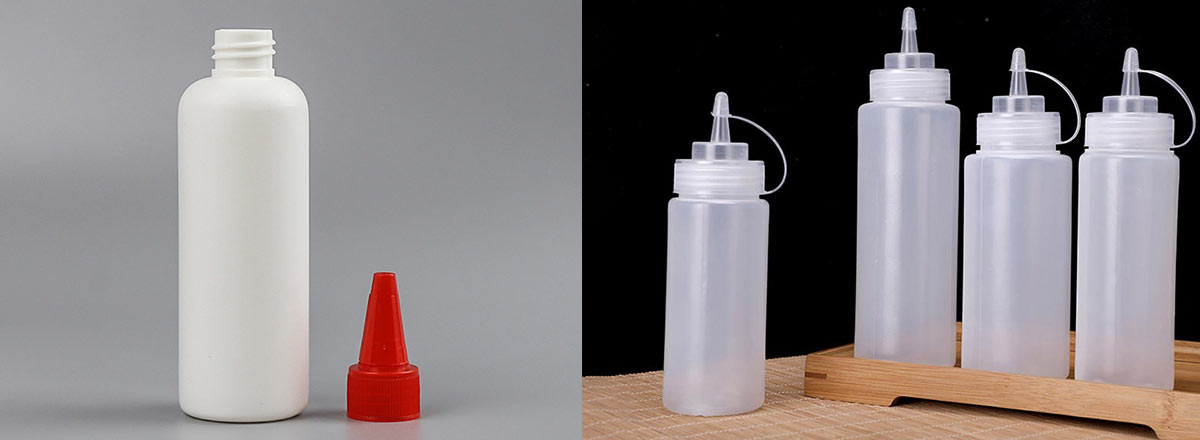
Blow molding technology changes the way manufacturers produce large-volume plastic containers. They use blow molding to achieve material savings and improve manufacturing efficiency. ISBM machines and other advanced technology give them design flexibility and support scalability. ISBM molding offers practical benefits for both manufacturers and end-users. Process selection and the right manufacturing technology help companies optimize production and increase quality. Blow molding also allows for faster manufacturing and lower costs.
Tip: Choosing the right blow molding ensures consistent results and maximizes efficiency.
Key Takeaways
- Blow molding technology enhances manufacturing efficiency and reduces costs for large-volume plastic containers.
- Choosing the right blow molding process, like ISBM, ensures strong, durable products with lower material waste.
- Design flexibility in blow molding allows for customized shapes and features, meeting diverse market needs.
- Sustainability is key; using recycled materials and energy-efficient processes supports environmental goals.
- Monitoring production metrics helps manufacturers optimize efficiency and maintain high-quality standards.
Blow Molding Technology Overview
Principles of Blow Molding
Blow molding stands as a core method in plastic production for large-volume containers. The process begins with melting plastic pellets or granules, forming a preform or parison. Manufacturers clamp the preform into a mold cavity, then introduce air pressure. This step expands the plastic, allowing it to conform to the mold’s shape and achieve uniform wall thickness. Cooling follows, often using water circulation, which solidifies the container and supports high-volume plastic production. The mold opens, and the finished product is ejected for further processing.
Note: Uniform wall thickness and rapid cooling are essential for strong, durable containers.
- Raw material preparation starts with feeding plastic pellets into the machine.
- Blow molding injects air to shape the molten plastic, ensuring structural integrity.
- Cooling retains the shape and solidifies the plastic.
- Extraction removes the finished container without damage.
Main Processes: EBM, IBM, ISBM Machine
Manufacturers use several blow molding processes in plastic production, each suited for specific container types. The ISBM machine, along with EBM and IBM, offers unique advantages for large-volume plastic production.
| Process | Applications | Advantages |
|---|---|---|
| EBM | Large, simple parts like bottles and industrial tanks | Low production costs, high efficiency, material versatility |
| IBM | Smaller, intricate items like pharmaceutical bottles and medical devices | High precision, complex shapes, reduced material waste |
| ISBM Machine | Durable products like beverage bottles and food containers | Enhanced strength, clarity, reduced material usage |
ISBM machine enables manufacturers to produce containers with improved strength and clarity, making it ideal for food and beverage plastic production.
Materials Used in Plastic Production
Plastic production relies on several materials for blow molding. Polyethylene (HDPE, LDPE), polypropylene, PET, PVC, and polycarbonate are common choices. HDPE offers a high strength-to-density ratio, perfect for rigid containers in plastic production. PET resists carbon dioxide, making it suitable for carbonated beverages. PVC adapts for rigidity or flexibility, while LDPE provides impact resistance. Polypropylene stands out for versatility and temperature resistance.
Manufacturers select materials based on the container’s intended use, ensuring optimal performance in plastic production.
Advantages for Large-Volume Manufacturing
Blow Molding Efficiency and Cost Savings
Blow molding efficiency stands at the core of modern manufacturing for plastic parts. Manufacturers achieve significant material savings and cost efficiency by using advanced blow molding systems. ISBM machines, for example, maintain a scrap rate below 1.5%, while EBM systems range from 3% to 7%. This difference in waste directly impacts cost efficiency and resource management. When production volumes exceed 250,000 units, ISBM technology outperforms EBM in both blow molding efficiency and cost efficiency. PET processed through ISBM also provides 15% to 20% higher tensile strength, which supports the durability of plastic parts.
Manufacturers who switch to blow molding for high-volume production often see a 25% reduction in costs per case. This change can result in annual savings of nearly $2 million per production line. Modern ISBM systems consume only 0.35 to 0.55 kWh of energy per kilogram of processed material, which further improves blow molding efficiency and reduces operational expenses. These factors make blow molding a preferred choice for large-scale manufacturing of plastic parts and packaging.
Note: Lower scrap rates and reduced energy consumption drive both cost efficiency and sustainability in high-volume production.
Design Flexibility in Plastic Production
Blow molding provides unmatched design flexibility for plastic parts and packaging. The process allows manufacturers to create hollow structures with varying wall thicknesses, which is essential for large containers and complex packaging solutions. Blow molding efficiency enables the production of lightweight and uniform plastic parts, making it ideal for high-volume production in consumer goods and packaging.
Manufacturers benefit from several customization options:
- Variable mold cavities allow changes to shape, size, or features during manufacturing.
- In-mold labeling integrates permanent labels or decorations into plastic parts.
- Post-molding customization includes printing, engraving, or embossing for further personalization.
- Personalized packaging and promotional items become possible with unique shapes and labels.
Blow molding stands out compared to injection molding for high-volume production of simpler designs. The process inflates a preform inside a mold, creating lightweight, hollow plastic parts with thin walls. This method supports rapid design changes and efficient manufacturing, which enhances blow molding efficiency and cost efficiency.
Structural Integrity and Durability
Blow molding technology ensures that plastic parts and packaging meet strict standards for structural integrity and durability. Industries such as food and beverage rely on blow-molded containers to protect products during storage and transport. The technology produces plastic parts that withstand impact and maintain barrier properties, which is essential for reliable packaging.
Medical applications also benefit from the strength and safety of blow-molded plastic parts. The process enhances durability, meeting the demands of sectors that require high safety standards. The growing need for impact-resistant packaging highlights the importance of blow molding efficiency in producing robust plastic parts for high-volume production.
Tip: Reliable packaging reduces product loss and supports brand reputation in competitive markets.
Production Efficiency and Scalability
Production efficiency plays a vital role in the success of high-volume manufacturing. Blow molding supports rapid cycle times, high output rates, and consistent quality for plastic parts and packaging. Manufacturers monitor several key metrics to optimize production efficiency:
| Metric | Description |
|---|---|
| Production Rate | Number of finished plastic parts produced within a set time frame, reflecting output efficiency. |
| Cycle Time | Time required to complete one full production cycle, crucial for maximizing blow molding efficiency. |
| Energy Consumption | Amount of energy used by the machine, with lower usage indicating higher blow molding efficiency. |
| Material Waste | Quantity of material wasted during manufacturing, where less waste means better cost efficiency. |
Blow molding allows manufacturers to scale operations quickly. Consistent cycle times and low energy consumption support high-volume production without sacrificing quality. The process also minimizes material waste, which further improves cost efficiency and sustainability in manufacturing.
Callout: Monitoring production efficiency metrics helps manufacturers identify areas for improvement and maintain high standards in plastic parts and packaging.
Optimization Strategies
Process Selection for Manufacturing

Manufacturers optimize blow molding by selecting the most suitable production process for each application. They evaluate several criteria to ensure the best fit for large-volume container manufacturing:
- Product requirements: They assess if the container needs high clarity, tight tolerances, or specific barrier properties.
- Material compatibility: They determine if PET, HDPE, PP, or specialty resins meet performance needs.
- Production scale: They decide if rapid prototyping, small-batch runs, or high-volume output is necessary.
- Design complexity: They consider unique shapes, neck finishes, or branding features.
- Regulatory standards: They check for FDA, USP, or food-grade compliance.
- Cost efficiency and sustainability: They aim to minimize scrap, energy use, and environmental impact.
Manufacturers also compare capacity versus actual output, energy-efficient blow molding, automation, mold compatibility, process control, after-sales service, and total cost of ownership.
Design Optimization for Large Containers
Design optimization improves the performance of large-volume containers in blow molding. Manufacturers use advanced production techniques and select materials that enhance durability and sustainability. The following table summarizes key design techniques:
| Design Technique | Description | Benefits |
|---|---|---|
| Advanced Production Techniques | High-speed thermoforming machines ensure consistent shape and quality. | Durability and heat resistance for reusable products. |
| Material Selection | Polypropylene and bagasse provide strength and sustainability. | Reduced environmental impact and improved performance. |
| Custom Food Containers | Tailored injection molding supports unique branding. | Functionality and quality for business needs. |
Changes in wall thickness, handle design, and container shape impact functionality. Thicker walls increase strength, ergonomic handles improve usability, and optimized shapes enhance stability and storage efficiency.
Quality Control in Production
Quality control ensures reliable manufacturing in blow molding. Manufacturers use industrial CT scanning, wall thickness analysis, void and defect detection, neck and thread accuracy, and preform evaluation. These methods help identify leaks, rocker bottoms, surface defects, and uneven wall thickness. Solutions include proper fit of blow pin nozzle, clean materials, adequate cooling, and even heating. Manufacturers maintain high standards throughout the production process.
Tip: Consistent quality control reduces defects and supports sustainability in manufacturing.
Sustainable Material Choices
Sustainability drives innovation in blow molding. Manufacturers increasingly use bioplastics, recycled materials, and biodegradable plastics for large-volume containers. Bioplastics from corn starch, sugar cane, plant cellulose, and agricultural waste lower carbon footprints. Recycled materials promote a circular economy and reduce reliance on virgin plastics. Brands benefit from enhanced reputation and market expansion as demand for sustainable manufacturing grows. Energy-efficient blow molding and sustainable materials support environmental goals and improve production processes.
Callout: Sustainable manufacturing with recycled materials and biodegradable plastics opens new opportunities in blow molding.
Applications and Case Studies
Industrial Storage Solutions
Blow molding has transformed industrial storage solutions by enabling the production of large, durable containers. Manufacturers use this technology to create high-density polyethylene (HDPE) tanks for chemicals, water, and waste management. These tanks offer high durability and chemical resistance, making them ideal for demanding industrial environments.
- Large HDPE tanks store chemicals safely in manufacturing plants.
- Water storage tanks support municipal and agricultural operations.
- Waste management facilities rely on blow-molded containers for secure containment.
Blow molding improves the performance and cost-effectiveness of these storage solutions. The following table highlights key factors:
| Performance Factor | Impact on Cost-Effectiveness |
|---|---|
| Production Speed | Higher speeds lead to increased output and reduced costs. |
| Molding Accuracy | Improved accuracy minimizes waste and rework, saving money. |
| Energy Efficiency | Advanced machines reduce energy consumption, lowering costs. |
| Downtime for Maintenance | Less downtime increases productivity and profitability. |
| Ease of Operation | Simplified operations enhance efficiency and reduce labor costs. |
Water Tanks and Chemical Drums
Blow molding technology gives water tanks and chemical drums several advantages over alternatives. Manufacturers achieve cost-effectiveness by using only the necessary amount of plastic and reducing labor expenses. Seamless construction and corrosion-resistant materials ensure long-lasting durability. The process allows for complex shapes and uniform wall thickness, meeting diverse storage needs.
| Advantage | Description |
|---|---|
| Cost-effectiveness | Reduces waste by using only necessary plastic and lowers labor expenses. |
| Durability | Seamless construction and corrosion-resistant materials ensure longevity. |
| Design flexibility | Enables complex shapes with uniform wall thickness for diverse storage needs. |
| Environmental sustainability | Minimizes material waste, making it a more eco-friendly option. |
| Lightweight | Easier to transport and install compared to alternatives like steel. |
- Blow molding is faster and cheaper than rotational molding.
- Injection molding does not suit large tanks, while blow molding is ideal for hollow structures.
- Blow-molded tanks outperform steel in cost and ease of installation.
Custom Containers with ISBM Machine
The ISBM machine has enabled manufacturers to produce custom large-volume plastic containers for specialized applications. This technology integrates injection molding and stretch blow molding, which simplifies the manufacturing process. It delivers high clarity and precise dimensions, enhancing product quality. The ISBM machine supports sustainability goals and adapts to evolving production needs. Its flexible design capabilities allow for custom shapes and sizes, serving industries with unique requirements.
- The ISBM machine creates custom diagnostic reagent bottles and PC vacuum chambers for medical equipment.
- Manufacturers use it to produce large flasks for vaccine production and flexible TPE pumps for medical procedures.
- Custom long-neck bottles for fuel additives and wide-neck food containers address specific market needs.
- A 160-oz jug for dried spices, converted from PVC to EPET, demonstrates the shift to sustainable materials.
- Dual-chamber HDPE bottles with inline shrink sleeving solve challenges in labeling irregularly shaped bottles.
| Example Description | Challenges Addressed |
|---|---|
| Custom diagnostic reagent bottles, PC vacuum chambers for medical equipment, large flasks of PC and EPET for COVID vaccine production, a flexible TPE pump for bariatric surgery, and a TPE inflatable medical device. | In-house mold manufacturing for tight-tolerance jobs. |
| Custom long-neck bottles for fuel additives and a 1-gal, wide-neck food container. | Transition to more sustainable materials. |
| A 160-oz jug with integral handle for dried spices, converted from PVC to EPET. | Need for automation to reduce labor requirements. |
| A dual-chamber HDPE bottle for Green Gobbler Drain Clog Dissolver with inline shrink sleeving. | Challenges in orienting labels on irregularly shaped bottles. |
Note: Custom blow molding equipment and advanced ISBM machines help manufacturers meet the demands of modern manufacturing, offering flexibility, efficiency, and sustainability.
Conclusion

Blow molding technology drives efficiency and quality in large-volume plastic container manufacturing. Manufacturers select the right blow molding process to achieve structural strength and cost savings. The accumulator blow molding machine supports oversized products and high-quality parison control. Upgrading older machines and increasing automation improve uptime and production rates. Manufacturers benefit from enhanced customer training, rapid prototyping, and process simulation. Sustainability remains a priority, with blow molding advancements focusing on recycled materials and energy-efficient machines. Industry leaders use blow molding to meet market demands and innovate with custom designs. Future trends in blow molding include high-speed PET machines and flexible customization.
FAQ
What Is Blow Molding and How Does It Work?
Blow molding shapes plastic into hollow containers by inflating heated plastic inside a mold. The process uses air pressure to expand the material, creating strong and lightweight products. Manufacturers rely on blow molding for efficient production of bottles, tanks, and custom containers.
Why Do Manufacturers Choose Blow Molding for Large-Volume Containers?
Manufacturers select blow molding because it offers fast production, cost savings, and design flexibility. Blow molding creates containers with uniform wall thickness and strong structure. The process supports high-volume output, making it ideal for industries needing reliable and scalable solutions.
Which Materials Are Commonly Used in Blow Molding?
Blow molding often uses materials like HDPE, PET, and polypropylene. These plastics provide durability, chemical resistance, and clarity. The choice of material depends on the container’s purpose. Blow molding adapts to different requirements, ensuring the right balance of strength and performance.
How Does Blow Molding Support Sustainability in Manufacturing?
Blow molding reduces waste by using only the necessary amount of plastic. Many manufacturers use recycled or biodegradable materials in blow molding. The process also lowers energy consumption. Blow molding helps companies meet environmental goals while maintaining product quality and efficiency.
What Are the Main Advantages of Blow Molding Over Other Methods?
Blow molding stands out for its ability to produce complex shapes quickly and at lower costs. The process allows for lightweight, seamless containers. Blow molding also supports rapid design changes and large-scale production, making it a preferred choice for many industries.