


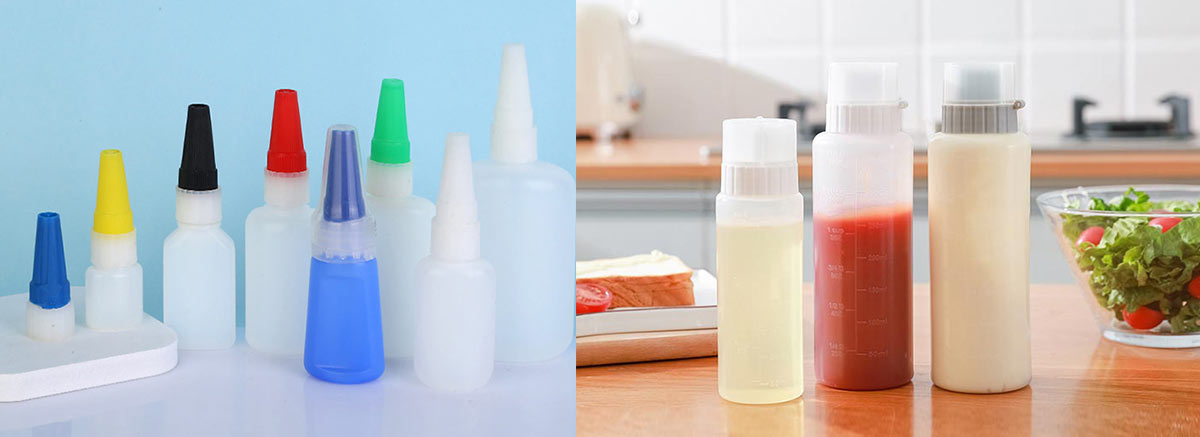
Blow molded products stand out in packaging due to their unmatched combination of strength, cost savings, and lightweight plastic construction. These products use blow molding to create containers that protect goods while reducing shipping weight. The ISBM machine increases energy efficiency by cutting power consumption through advanced servo-driven systems and design improvements. Blow molding plastic solutions offer easier handling and storage compared to traditional packaging products. The table below highlights how blow molded products outperform other options:
| Feature | Blow Molded Products | Traditional Packaging Solutions |
|---|---|---|
| Weight | Lighter | Heavier |
| Impact Resistance | More impact-resistant | Less impact-resistant |
| Handling Convenience | Easier to handle | More cumbersome |
| Customization Options | Highly customizable | Limited customization |
Key Takeaways
- Blow molded products are lightweight, reducing shipping costs and improving fuel efficiency.
- These products offer superior impact resistance, ensuring contents remain safe during transport.
- Customization options allow brands to create unique packaging that enhances visibility and appeal.
- Blow molding supports sustainability by using less plastic and promoting recyclability.
- Energy-efficient production methods lower operational costs and reduce environmental impact.
Durability and Protection in Blow Molded Products
Impact Resistance and Strength
Blow molding creates packaging that stands up to the demands of shipping and handling. Manufacturers design blow molded products to deliver exceptional durability, which helps protect valuable contents from damage. The process uses high-pressure injection to form dense, structurally sound plastic parts. These parts resist wear and maintain their quality even in challenging environments.
- Durable blow molded cases withstand the rigors of travel and tough conditions, keeping contents safe from impacts and mild moisture exposure.
- Structurally sound plastic components provide reliable protection for automotive, industrial, and consumer products.
This level of strength ensures that items arrive at their destination in excellent condition. Companies trust blow molding for packaging that maintains product quality throughout the supply chain.
Hollow Design for Cushioning
The hollow structure of blow molded packaging offers a unique advantage in shock absorption. Unlike solid designs, which focus on load-bearing strength, hollow blow molded products cushion contents against sudden impacts. This feature makes blow molding ideal for packaging fragile or sensitive items.
- The hollow design allows for effective shock absorption, reducing the risk of breakage during transport.
- Blow molded packaging protects items where impact absorption is critical, such as electronics or glassware.
This cushioning effect adds an extra layer of protection, enhancing the overall quality of the packaging solution. Blow molding combines lightweight plastic construction with advanced shock absorption, making it a preferred choice for industries that demand both safety and efficiency.
Cost-Effectiveness and Efficiency in Packaging
Lower Production and Energy Costs
The plastic blow molding process stands out for its ability to reduce both production expenses and energy consumption. Manufacturers choose this process because it uses less energy compared to other plastic manufacturing methods. The following table shows the difference in energy consumption between blow molding and injection molding:
| Process Type | Energy Consumption (kWh/kg) |
|---|---|
| Blow Molding | 0.4 – 0.8 |
| Injection Molding | 0.8 – 1.2 |
The plastic blow molding process requires less energy per kilogram of material, which helps companies lower their operational costs. The ISBM machine further increases efficiency by streamlining the production process. This advanced equipment uses servo-driven systems that optimize the plastic blow molding process, resulting in faster cycle times and less waste. Companies benefit from reduced labor costs and improved resource management.
Production with blow molding also uses fewer raw materials. The process forms lightweight containers that maintain strength and durability. This reduction in material use leads to lower expenses for both manufacturers and end users. The plastic blow molding process supports high-volume production, making it ideal for packaging products that require consistent quality and cost control.
Lightweight for Shipping and Storage
Lightweight containers produced through the plastic blow molding process offer significant advantages in logistics and storage. These containers weigh less than traditional packaging, which translates to easier handling and lower shipping costs. The process allows manufacturers to create packaging that is both strong and light, without sacrificing performance.
- Blow molded packaging can achieve weight reductions of up to 11% in gallon containers.
- Some designs report potential savings of up to 15%.
- The use of blow molding technology reduces material usage while maintaining performance, leading to lower shipping costs.
Lightweight blow molded packaging reduces the weight of products, which leads to lower shipping costs and improved fuel efficiency. This reduction in weight not only cuts logistics expenses but also minimizes the environmental impact and carbon emissions associated with transportation. The development of reduced-weight plastic containers, which weigh 8 to 12 grams less and use 25% less plastic, directly contributes to cutting logistics costs and raw material expenses, thereby enhancing overall transportation efficiency.
Tip: Companies that switch to lightweight blow molded containers often see immediate savings in both shipping and storage costs.
The plastic blow molding process also supports efficient storage. Lightweight containers stack easily, maximizing warehouse space and reducing the risk of damage during handling. The process ensures that packaging products remain cost-effective throughout their lifecycle, from production to delivery.
The plastic blow molding process, combined with ISBM machine, delivers unmatched efficiency for manufacturers. Companies gain a competitive edge by reducing production costs, lowering energy use, and improving logistics with lightweight, durable packaging.
Design Flexibility of Blow Molding Plastic Solutions
Versatile Shapes and Sizes
Blow molding plastic solutions offer unmatched versatility in creating packaging for a wide range of products. Manufacturers can produce blow molded parts in many shapes and sizes, from small bottles to large fuel tanks. This flexibility allows companies to meet unique packaging requirements that other methods cannot achieve. The following table compares the shapes and sizes possible with different plastic forming techniques:
| Technique | Shapes and Sizes Achievable |
|---|---|
| Blow Molding | Hollow parts like containers and bottles with thin walls |
| Injection Molding | Solid parts with intricate designs and high precision |
Blow molding plastic solutions excel at forming hollow objects such as plastic bottles, containers, and specialized chambers. Suppliers often suggest multiple design options for unique needs, including water-tight chambers and isolated rotating parts. This adaptability makes blow molded parts ideal for industries that require both function and innovation.
Note: Blow molding plastic solutions allow for mix-and-match design options, helping companies optimize both performance and cost.
Custom Blow Molded Parts for Branding
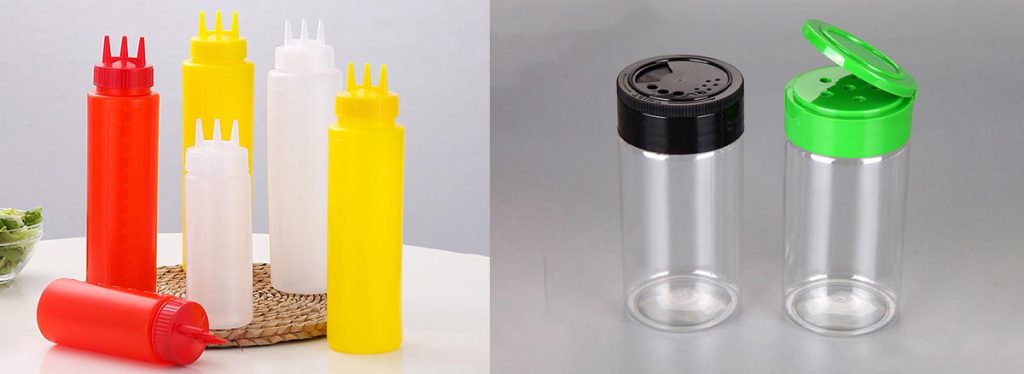
Custom blow molding gives brands the power to stand out on crowded shelves. Companies can design blow molded parts with intricate shapes, unique contours, and vibrant colors. These features help products capture consumer attention and communicate brand values. Custom blow molding also supports advanced labeling techniques, which further enhance visual appeal.
- Custom blow molded parts can include:
- Embossed logos or graphics
- Special grip patterns for ergonomic handling
- Distinctive bottle necks or closures
Custom blow molding enables the creation of packaging that not only protects but also promotes. Unique bottle designs and innovative shapes drive brand recognition and increase shelf appeal. Blow molding plastic solutions give companies the freedom to experiment with new ideas, ensuring their products remain memorable and attractive to consumers.
Blow molded products benefit from this design flexibility, making them a preferred choice for brands seeking both function and style in their packaging.
Sustainability and Environmental Benefits of Blow Molding
Recyclability and Reduced Waste
Blow molding plastic solutions support sustainability by reducing material waste and promoting recyclability. Manufacturers design blow molded products to use less plastic while maintaining strength and durability. This approach allows companies to create lightweight containers that minimize resource use and environmental impact. Many packaging products made with blow molding plastic solutions can be recycled, which helps keep plastic out of landfills and supports a circular economy.
The following table highlights how blow molding plastic solutions contribute to sustainability:
| Aspect | Description |
|---|---|
| Material Efficiency | Manufacturers use less plastic while maintaining product quality. |
| Recyclability | Encourages the use of recyclable materials in packaging. |
| Lightweight Solutions | Enables thinner-walled containers, reducing waste. |
- Blow molding plastic solutions allow for lightweight containers that minimize material use.
- These solutions contribute to a circular economy by reducing environmental impact.
Blow molding plastic solutions help companies meet sustainability goals by reducing the amount of plastic needed for packaging. This process supports eco-friendly production practices and helps protect the environment.
Energy-Efficient Production Methods
Blow molding plastic solutions also offer significant energy savings compared to traditional packaging manufacturing. Recent advancements in blow molding technology have led to more energy-efficient machinery. These machines optimize cycle times and use advanced controls, which lowers energy consumption during production.
The table below shows the impact of energy-efficient blow molding on carbon footprint:
| Aspect | Impact on Carbon Footprint |
|---|---|
| Energy Consumption | Reduces overall energy use during production |
| Material Waste | Minimizes waste generated in the production process |
| Recyclability | Promotes the ability to recycle packaging products |
Energy-efficient blow molding equipment reduces energy requirements for production. This approach enhances the quality and durability of the final products. Companies can adopt greener practices without sacrificing efficiency. Blow molding plastic solutions help lower the carbon footprint of packaging products and support a more sustainable future.
Industry Applications of Blow Molded Packaging
Blow molding plastic solutions can benefit a wide range of industries. Companies rely on blow molded products to deliver reliable packaging for beverages, pharmaceuticals, and consumer products. The versatility of blow molding allows manufacturers to meet strict safety standards and consumer demands for durability, convenience, and customization.
Food and Beverage
Extrusion blow molding machines play a crucial role in the food and beverage sector. Manufacturers use these machines to produce high-volume packaging, meeting the global demand for packaged food and drinks. Blow molding creates lightweight and durable bottles, jars, and jugs that help maintain product freshness and extend shelf life. These containers store liquids such as beverages, sauces, and dairy products.
Blow molding ensures excellent wall thickness uniformity, reducing risks of weak points and migration. High material integrity keeps additives evenly distributed, maintaining safety. Seam-free container designs enhance hygiene and leak resistance. Modern operations require thorough documentation of production processes. Injection blow molding systems allow real-time monitoring of key parameters, ensuring every batch meets regulatory standards.
| Regulatory Body | Key Requirements |
|---|---|
| U.S. FDA (21 CFR) | Limits on material composition, migration levels, and food-contact safety. |
| European Commission (EC) No. 1935/2004 & (EU) No. 10/2011 | Rules for materials intended for food contact, including plastics. |
| Other International Standards | Compliance with Health Canada, Japan’s JHOSPA, and China’s GB standards. |
Pharmaceuticals and Consumer Goods
Pharmaceutical companies depend on blow molding to create containers that protect sensitive products. Blow molded bottles store solid dosage forms, offering moisture resistance and tamper-proof designs. Syrup and liquid medicine bottles feature accurate volume measurement and leak-proof construction. Eye drop and nasal spray bottles provide precise dispensing and maintain sterility. IV fluid containers require high strength and compatibility with sterilization. Vaccine and biopharmaceutical containers need temperature stability and chemical compatibility.
Manufacturers use various plastics, including HDPE for durability, PET for transparency, PP for heat resistance, and LDPE for flexibility. Injection blow molding produces small, high-precision containers. Stretch blow molding creates PET bottles with clarity and strength. Extrusion blow molding forms larger HDPE containers for diverse shapes.
Consumer goods companies favor blow molding for lightweight and durable packaging. This approach protects products and extends shelf life. Customization options allow companies to create packaging that meets consumer preferences for aesthetics and convenience. Blow molding supports industries such as personal care and household products, where product protection and consumer appeal are essential.
Tip: Blow molding plastic solutions help companies meet regulatory requirements and deliver packaging that stands out in the marketplace.
Conclusion
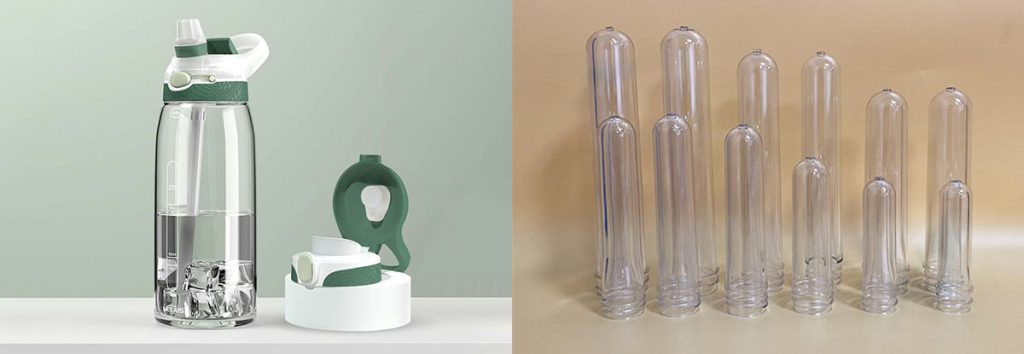
Blow molding offers unmatched advantages for packaging. Industry experts highlight greater precision, enhanced surface finish, reduced material waste, and versatility in design.
| Advantage | Description |
|---|---|
| Greater Precision and Control | Achieves consistent quality and dimensions. |
| Enhanced Surface Finish | Produces smooth, appealing surfaces. |
| Reduced Material Waste | Minimizes waste, supporting sustainability. |
| Versatility in Design | Enables complex shapes and innovative solutions. |
ISBM machines and eco-friendly practices drive efficiency and sustainability. Many products use recyclable materials and lightweight designs. Blow molding continues to shape the future of packaging with innovation and environmental responsibility.
FAQ
What Types of Products Use Blow Molded Packaging?
Manufacturers use blow molded packaging for bottles, containers, automotive parts, and industrial cases. Food, beverage, pharmaceutical, and consumer goods industries rely on these products for durability and customization.
How Does Blow Molding Improve Sustainability?
Blow molding reduces material waste and supports recyclability. Companies use energy-efficient machines and lightweight designs. This process helps lower carbon emissions and promotes eco-friendly packaging solutions.
Can Blow Molded Packaging Be Customized for Branding?
Brands can customize blow molded packaging with unique shapes, colors, and embossed logos. Custom designs help products stand out and support marketing strategies.
What Are the Main Advantages of Blow Molded Packaging?
Blow molded packaging offers durability, lightweight construction, cost savings, and design flexibility. Companies benefit from easy handling, efficient storage, and reduced shipping costs.
Is Blow Molded Packaging Safe for Food and Pharmaceuticals?
Regulatory bodies approve blow molded packaging for food and pharmaceuticals. Manufacturers use safe materials and follow strict guidelines to ensure product safety and hygiene.