
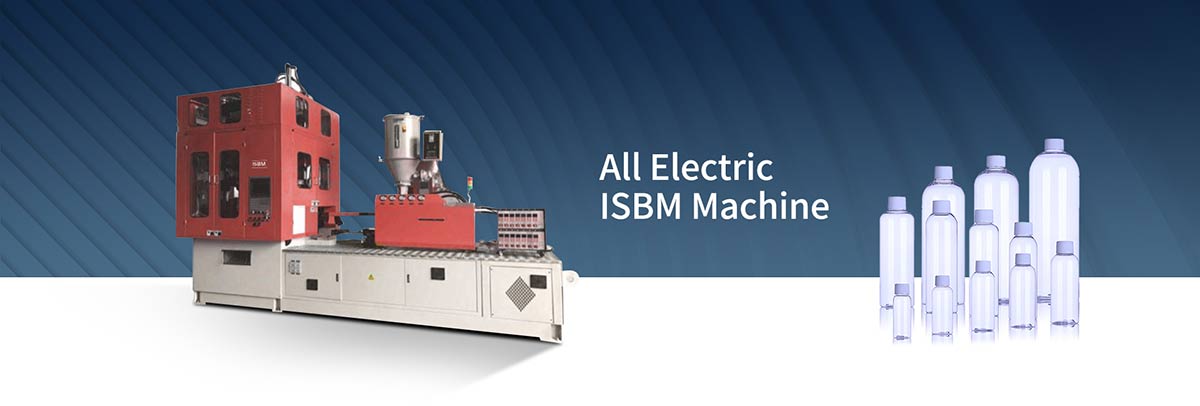



The blow moulding process stands as a key force in shaping modern product design, especially for hollow items found in everyday life. This process supports the creation of bottles, automotive parts, and containers by offering unmatched flexibility in shape, size, and material selection. Over the past decade, the blow moulding process has driven innovation in several ways:
- 3D blow molding now creates complex shapes that push the boundaries of design.
- Advanced monitoring systems maintain high quality by detecting defects as they happen.
- Manufacturers have shifted to sustainable materials and energy-efficient methods to meet growing consumer and regulatory expectations for eco-friendly products.
- The focus on sustainability in the blow moulding process reduces environmental impact and supports responsible manufacturing.
The blow moulding process continues to influence product design by enabling new possibilities and meeting modern standards.
Key Takeaways
- Blow molding offers unmatched design flexibility for hollow products, making it ideal for creating bottles and containers.
- Sustainability is a priority; manufacturers are shifting to eco-friendly materials and energy-efficient methods.
- Advanced technologies in blow molding enhance production speed and quality, allowing for faster market delivery.
- Symmetry in design improves both the aesthetic appeal and functional performance of plastic products.
- Understanding material properties and wall thickness is crucial for creating durable and reliable blow molded items.
Design Flexibility in the Blow Moulding Process
Shape and Size Options
Blow molding stands out for its ability to create a wide variety of shapes and sizes, especially for hollow plastic products. This molding process supports the production of items such as bottles, tanks, and containers, which are common in many applications. The process works best for hollow items, offering even wall thickness and making it ideal for large-volume production.
- Blow molding is best suited for:
- Hollow plastic parts like bottles and tanks
- Lightweight and sturdy containers
- Large-volume runs where consistency matters
However, the process has some limitations. Complex shapes can be challenging to achieve, and maintaining precise dimensions may be difficult. Compared to injection molding, blow molding focuses on hollow rather than solid articles. In many cases, designers must balance creativity with the practical limits of the process.
The molding process uses precise control of air pressure and timing. Heated plastic expands to fit the mold’s contours, resulting in products with accurate dimensions and strong mechanical properties. Coextrusion techniques allow for multilayered products, giving designers more flexibility to combine different material properties in one item.
Tip: When planning a new product, consider whether the design requires a hollow structure. Blow molding offers the most advantages in these cases.
Material Selection and Cost
Material and design choices play a critical role in the blow molding process. The selection of plastic affects the mechanical and electrical properties of the final product. Durability, safety, and suitability for specific applications depend on the right material. For example, high-density polyethylene (HDPE), polyethylene terephthalate (PET), and polyvinyl chloride (PVC) are popular choices because they offer strength and recyclability.
When choosing a material, designers must evaluate:
- Density, stiffness, and impact strength
- Processing characteristics and cost
- End-use requirements, such as regulatory compliance and environmental exposure
The recyclability of plastic materials supports sustainable manufacturing. In many cases, companies select materials that balance performance with environmental responsibility. The cost of materials also influences the overall price of plastic parts, making it important to choose wisely for both performance and budget.
| Material Type | Key Properties | Common Applications |
|---|---|---|
| HDPE | Strong, recyclable, safe | Bottles, tanks |
| PET | Clear, tough, recyclable | Beverage containers |
| PVC | Durable, chemical-resistant | Industrial containers |
Speed and Efficiency
The blow molding process delivers impressive speed and efficiency, which benefits both manufacturers and designers. Cycle times often fall below one minute, much faster than rotational molding, which can take over thirty minutes per cycle. Blow molding can produce up to seventy parts per hour, while other methods lag behind.
Modern blow molding technologies use smart automation and advanced monitoring systems. These features allow real-time data analysis and control, helping manufacturers optimize production cycles. As a result, companies reduce cycle times and minimize waste. Automation also lowers labor costs and increases economic viability.
- Key advantages of efficient blow molding:
- Faster production cycles
- Reduced material waste and energy consumption
- Higher product volumes with consistent quality
- Greater customization and versatility in design
In many cases, automation enables real-time adjustments during manufacturing. This capability leads to quicker turnaround times for new product development and helps companies bring products to market faster. The efficiency of the molding process supports innovation and allows manufacturers to meet specific customer requirements.
Note: Speed and efficiency in blow molding not only save time but also open the door to more creative and cost-effective product designs.
Symmetry and Form in Blow Molding
Why Symmetry Matters?
Symmetry plays a crucial role in blow molding. Consistent symmetry ensures that plastic products look appealing and function as intended. Many cases require bottles, containers, and tanks to have balanced shapes for stability and strength. Symmetrical forms also help with stacking, shipping, and storage. Manufacturers rely on the process to deliver uniform results, especially in mass production.
The blow molding process uses several steps to maintain symmetry in every item. The following table outlines how each stage contributes to consistent results:
| Step | Description |
|---|---|
| Material Feeding & Conditioning | Polymer pellets are fed with high accuracy to ensure uniformity in the material used. |
| Parison Extrusion | The process creates a tube with controlled diameter and minimal wall thickness variation. |
| Mold Inflation & Pressure Profiling | Controlled air pressure is applied in phases to ensure precise shape formation and mold replication. |
| Controlled Cooling | Rapid cooling solidifies the product quickly, maintaining its shape and symmetry. |
| Ejection & Post-Processing | Automated trimming ensures that the final product is consistent and ready for use, minimizing waste. |
Aesthetic and Functional Impact
Symmetry affects both the appearance and performance of plastic products. In many cases, a symmetrical bottle or container looks more attractive to consumers. Balanced shapes also improve handling and pouring, which is important for bottles used in food and beverage industries. Symmetrical forms distribute stress evenly, making the product stronger and less likely to fail during use.
Designers often choose blow molding for its ability to create smooth, even surfaces. The process allows for creative shapes while still maintaining the necessary balance. In some cases, a lack of symmetry can lead to weak spots or uneven wall thickness, which may cause problems in real-world use.
Tip: Symmetrical designs not only look better but also help products last longer and perform better in daily use.
ISBM Machine Capabilities
ISBM machine takes symmetry and form to the next level in blow molding. The machine enables the production of highly transparent, high-strength, and lightweight plastic bottles. ISBM machine achieves excellent wall thickness uniformity and surface finish, which are essential for maintaining symmetry in every product.
- ISBM machine offers several advantages:
- Mass production of clear and strong PET bottles
- Superior wall thickness control for consistent symmetry
- High-quality surface finish for better appearance and durability
Manufacturers use ISBM machine in cases such as beverage bottles, mineral water bottles, and cooking oil bottles. These machines help companies meet strict quality standards while allowing for innovative design choices.
Seams and Surface Features
Seam Placement and Visibility

Seam placement plays a significant role in the appearance and performance of blow molding products. Designers often position parting lines along natural edges or in areas that remain hidden during use. This approach helps conceal seams and improves the overall look of plastic items. In many cases, careful placement of the parting line prevents visible seams and reduces the risk of flash, which is excess plastic that forms at the joint.
- Strategic placement of parting lines along non-visible areas
- Ensuring the parting line seals precisely to avoid gaps or leaks
- Maintaining a flat parting line for airtight or watertight components
- Regular mold maintenance to keep seams aligned and less noticeable
- Adding draft angles to help material cover the mold’s interior and extend mold life
These best practices support both cosmetic and functional goals in the design process.
Cosmetic vs. Structural Roles
Seams in blow molding serve both cosmetic and structural purposes. Visually, a well-placed seam can blend into the product’s shape, making the plastic item more attractive. Structurally, seams must seal tightly to prevent leaks, especially in bottles and containers that hold liquids. In some cases, seams also provide extra strength along the joint, helping the product withstand pressure or impact.
Designers must consider the balance between appearance and function. A seam that looks smooth but fails to seal properly can lead to product failure. For this reason, they pay close attention to both the mold design and the process settings.
Note: Seam quality affects both how a product looks and how well it performs in real-world cases.
Minimizing Seam Impact
Manufacturers use several techniques to reduce the impact of seams on plastic products. They often increase the temperature of the parison to improve surface finish and seam strength. Compressed air expands the parison inside the mold, ensuring the plastic fills every detail and cools evenly. Controlling the blowing speed helps achieve uniform expansion, which leads to better product quality.
- Higher parison temperature for improved finish and strength
- Controlled blowing speed for even expansion
- Proper cooling to prevent warpage and dimensional issues
Low mold temperature can cause rapid cooling, which may affect the final shape and accuracy. Insufficient or uneven cooling sometimes leads to defects such as warpage or skewing. In all cases, careful control of the process helps minimize seam visibility and ensures strong, reliable plastic products.
Wall Thickness and Strength
Uniformity and Structural Integrity
Uniform wall thickness plays a vital role in the strength of blow molding products. When manufacturers keep the thickness consistent across the body of a plastic part, they improve its structural integrity. Thinner spots in the wall can lead to weak points. These areas may break or deform during handling. Consistent thickness helps the product stay strong and reliable in many situations. Controlled parison thickness leads to uniformity throughout the finished item. This reduces the chance of failure and increases the mechanical strength of plastic parts. Even complex shapes benefit from this approach, as it improves the strength-to-weight ratio.
Design for Durability
Durability remains a top priority in the design of blow molding products. A strong, uniform wall resists dents, cracks, and leaks. Designers focus on the right wall thickness to ensure that plastic parts last longer and perform well under stress. They consider how the product will be used and what forces it might face. The process allows for adjustments in wall thickness to match the needs of each application. A robust design means fewer failures and less waste, which supports both safety and sustainability.
Tip: Choosing the correct wall thickness during the mold design stage can greatly increase the durability of plastic products.
ISBM Precision
ISBM machine brings a new level of precision to blow molding. These machines control wall thickness with high accuracy, which leads to better quality and less material waste. The ISBM uses CT scanning to check preform symmetry. This ensures that the material stretches evenly, making the final plastic part stronger and more durable. ISBM machines also allow for thinner walls without losing strength, which saves material and lowers costs.
| Aspect | Description |
|---|---|
| Wall Thickness Control | ISBM ensures uniform thickness, enhancing the precision of wall thickness in blow molded items. |
| Preform and Stretch Ratio | CT scanning in ISBM evaluates preform symmetry, ensuring consistent material orientation for durability. |
| Material Usage | Precise control in ISBM allows for thinner wall sections, reducing material consumption. |
Manufacturers use ISBM machine to create high-quality plastic parts for industries that demand both strength and efficiency.
Integrating Features and Functionality
In-Mold vs. Secondary Operations
Blow molding allows designers to add many features directly during the mold stage. This approach can reduce the need for extra steps after production. For example, manufacturers can create finishes, push-up bases, and custom features like handles or reinforced walls as part of the initial mold. These features support specialized applications in industries such as food packaging and automotive parts. The table below shows common features that can be integrated during the process:
| Feature Type | Description |
|---|---|
| Integral Mold Features | Mold portions define finishes and push-up bases, eliminating separate inserts. |
| Custom Features | Handles, necks, or reinforced walls for specialized applications. |
| Design Flexibility | Lightweight, shatterproof, and cost-effective bottles with intricate shapes. |
Secondary operations, such as trimming or welding, may still be necessary for complex designs. These steps can add cost and time but allow for more intricate details that the mold cannot produce directly. Designers must weigh the benefits of in-mold features against the flexibility of secondary operations.
Adding Handles and Threads
Handles and threads are important for many plastic containers. Blow molding supports several methods for adding these features. Movable gates can form recessed handles by squeezing the parison under the molded handle. Injection molding can add threads during the creation of preforms, making threaded openings possible. The table below outlines common methods:
| Method | Description |
|---|---|
| Movable Gates | Create recessed handles by squeezing the parison under the molded handle. |
| Injection Molding | Incorporates threads during preform molding for threaded openings. |
Extrusion blow molding and injection blow molding both play roles in forming these features. Extrusion blow molding uses a blow-pin to shape the threaded opening, while injection blow molding starts with a preform that is blown into its final shape. These methods help meet the needs of different applications.
Process Limitations and Innovations
The blow molding process works best for simple, hollow shapes. This focus limits the complexity of features that can be added. High tooling costs and the need for uniform wall thickness can make intricate designs difficult or expensive. However, recent innovations have expanded what is possible. CAD and CAM integration now allow for precise mold creation. Advanced blow molding machines handle more materials and work faster. Automation and robotics improve speed and consistency while reducing errors.
| Innovation Type | Description |
|---|---|
| CAD and CAM Integration | Enables precise mold creation and boosts production efficiency. |
| Advanced Blow Molding Machines | Handle more materials and increase speed. |
| Automation and Robotics | Improve consistency and safety while minimizing human error. |
Manufacturers now combine metal and plastic components for enhanced functionality. ISBM machine supports high-quality production, energy efficiency, and compatibility with various molds. These advances help designers create plastic products with more features for a wider range of applications.
Conclusion

The blow moulding process, including ISBM machine, sets clear possibilities and limitations for modern product design. Designers face constraints such as shape complexity, dimensional accuracy, and surface quality. They can overcome these with advanced materials, optimized molds, and surface treatments:
| Constraint | Solution |
|---|---|
| Shape complexity | Advanced materials |
| Dimensional accuracy | Optimized mold designs |
| Surface quality | Surface treatments and simulations |
A deep understanding of process parameters and technology leads to:
- Consistent quality through advanced sensors and control systems
- Agile production with AI-driven analytics
- Innovative, cost-effective, and functional products
Future trends like sustainable materials and automation will further expand design opportunities.
FAQ
What Makes Blow Molding Ideal for Packaging?
Blow molding creates lightweight, strong containers that protect products during transport. This process supports high-volume production and consistent quality. Many industries choose blow molding for packaging because it offers cost savings and design flexibility.
How Does Prototyping Benefit Custom Blow-Molded Cases?
Prototyping allows designers to test custom blow-molded cases before full production. They can evaluate fit, durability, and appearance. This step helps companies avoid costly mistakes and ensures the final product meets all requirements.
What Are the Ideal Applications for a Durable Blow Molded Case?
A durable blow molded case works well for tools, electronics, and medical devices. These cases resist impact and moisture. Many companies use them as case solutions for shipping and storage.
Why Is Protective Case Manufacturing Important?
Protective case manufacturing ensures that sensitive items stay safe during handling and transport. The process uses strong materials and precise molds. This approach reduces damage and loss for valuable equipment.
Can Blow Molding Produce Containers with Special Features?
Blow molding can create containers with handles, threads, or reinforced walls. Designers add these features during the molding process. This flexibility supports a wide range of applications and industries.