


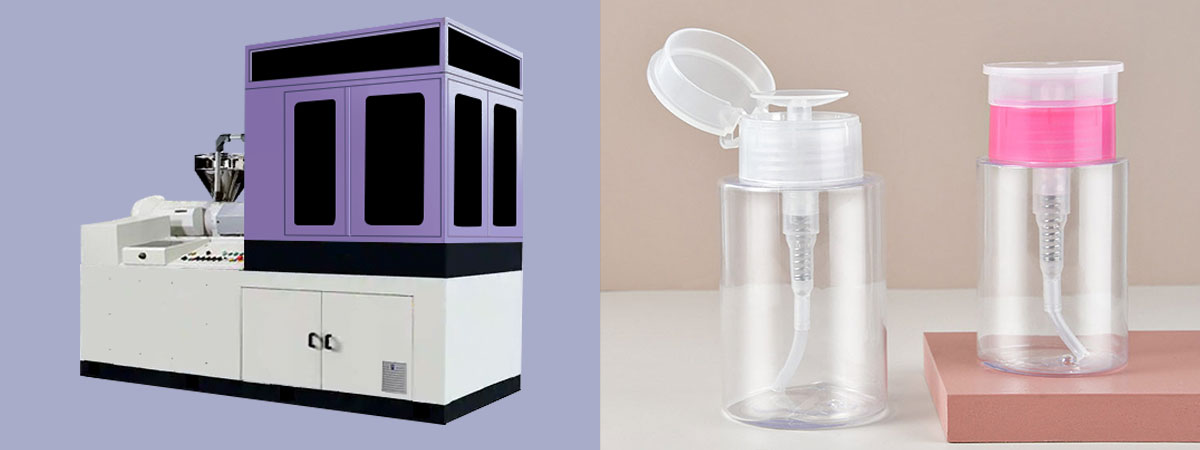
Blow molding shapes the everyday plastic essentials found in homes. A simple water bottle or shampoo bottle starts as raw plastic, then transforms into a sturdy, precisely formed container through the blow molding process. This method, especially injection blow molding, produces high-quality containers that meet demands for both appearance and function. The application of blow molding ensures that shelves stay stocked with affordable, reliable products people use daily, making life more convenient and organized.
Key Takeaways
- ISBM molding transforms raw plastic into essential household products like bottles and containers, enhancing convenience in daily life.
- The process includes key steps: preparing plastic, creating a parison, inflating it in a mold, and cooling to form the final product.
- Different types of blow molding, such as extrusion and injection, cater to various needs, offering benefits like cost efficiency and design flexibility.
- Blow molding supports sustainability by reducing material waste and using recyclable plastics, making it an eco-friendly choice for manufacturers.
- The technology ensures high-quality, durable products that meet safety standards, providing consumers with reliable and affordable options.
What Is Blow Molding?
Process Overview
Blow molding transforms raw plastic into useful products through a series of precise steps. The process begins with preparation, where operators select and prepare the plastic material. They may blend it with colors or additives to achieve specific properties. The plastic then enters an extruder, which heats and pushes it into a molten state. This forms a parison, a hollow tube that will become the final product.
The parison is clamped into a mold and sealed. Air is injected, inflating the plastic to match the mold’s shape. Cooling follows, allowing the plastic to harden. Once solid, the mold opens and ejects the finished item.
Key Steps in Blow Molding:
- Preparation of raw plastic.
- Extrusion to create a molten parison.
- Clamping and inflating the parison in a mold.
- Cooling and ejection of the finished product.
Types of Blow Molding
Manufacturers use several types of blow molding to create different products. Each type offers unique advantages and applications.
| Type of Blow Molding | Applications | Advantages |
|---|---|---|
| Extrusion Blow Molding (EBM) | Plastic bottles, food containers, tanks | Low cost, high efficiency, versatile materials |
| Injection Blow Molding (IBM) | Pharmaceutical bottles, small containers | High precision, complex shapes, less material waste |
| Injection Stretch Blow Molding (ISBM) | Beverage bottles, high-performance containers | Enhanced strength, clarity, durability |
Extrusion blow molding suits large containers and bottles. Injection blow molding creates small, precise items. Injection stretch blow molding produces strong, clear beverage bottles.
ISBM Machine Role
The ISBM machine plays a vital role in producing high-quality household containers. It combines injection molding and stretch blow molding in one process. This integration leads to superior product quality, with smooth surfaces and uniform wall thickness. The machine allows for flexible design, enabling intricate shapes and custom branding.
| Benefit | Description |
|---|---|
| Superior product quality | High clarity, smooth surface finishes, and uniform wall thickness enhance the overall product quality. |
| Flexible design capabilities | Allows for intricate shapes and custom designs, catering to diverse market needs and branding strategies. |
| Sustainability | Reduces material waste and supports eco-friendly materials, aligning with sustainability goals. |
| High production efficiency | Integrated processing increases throughput and reduces downtime, leading to cost-effective production. |
The ISBM machine supports sustainability by reducing waste and using eco-friendly materials. Manufacturers achieve high efficiency and meet diverse market needs with this technology.
Application of Blow Moulding in Household Containers
Beverage Bottles
The application of blow molding plays a crucial role in producing beverage bottles found in homes and stores. Manufacturers use plastic blow molding to shape bottles for water, juice, and soft drinks. This process starts with a parison, which inflates inside a mold to form the bottle’s final shape. Extrusion blow molding holds the largest market share, accounting for 52.98% of bottle blowing machine usage in 2025. Companies choose blow molding for beverage bottles because it offers several advantages:
- In-house blow molding of PET bottles reduces overall production costs.
- The process enhances control over the supply chain and enables lighter bottles.
- Raw materials remain inexpensive, lowering production costs.
- High production efficiency decreases the cost per unit.
- Tooling costs are lower than other manufacturing methods.
- Custom-shaped bottles help brands stand out and appeal to consumers.
Blow molding products for beverages provide high clarity and durability. The application of blow molding ensures bottles meet strict quality standards, making them safe for daily use.
Food Storage
Plastic blow molding transforms raw plastic into food storage containers that keep ingredients fresh and organized. The application of blow molding allows manufacturers to produce containers in various shapes and sizes, such as lunch boxes, snack tubs, and airtight jars. This process creates lightweight and sturdy containers that resist impacts and maintain food safety.
Blow molding products for food storage offer several benefits:
- Consistent wall thickness for reliable sealing.
- Smooth surfaces for easy cleaning.
- Custom designs for stackable and space-saving containers.
The application of blow molding supports mass production, making food storage containers affordable and accessible for every household. Manufacturers rely on this method to deliver high-quality products that protect food and simplify daily routines.
Personal Care Packaging
Personal care packaging, including bottles for shampoo, lotion, and gels, relies on the application of blow molding for both appearance and function. Plastic blow molding enables the creation of containers with high clarity, glossy finishes, and custom shapes. The process supports intricate designs and branding, which are essential for luxury and everyday products.
| Capability | Description |
|---|---|
| High-clarity bottles | Ideal for showcasing colored or clear shampoos, lotions, and gels. |
| High-end appearance | Provides a glossy, glass-like finish—preferred in luxury product lines. |
| Custom shapes & designs | Can produce unique, branded bottle geometries with great detail. |
| Multilayer or barrier options | For products prone to oxidation or fragrance loss. |
| Precise neck threads | Excellent for fine mist sprayers, airless pumps, and twist caps. |
| High cosmetic quality | Smooth surfaces, no flash, minimal trimming. |
| Versatile shapes & sizes | Flat oval bottles, handles, or squeezable formats. |
| Multi-layer bottles | Ideal for opaque or colored containers with internal barrier layers. |
Blow molded plastics remain lightweight yet durable, making them ideal for personal care packaging. These containers resist impacts and wear, ensuring products stay intact during transport and use. The materials maintain sterility, which is vital for safety in personal care and medical applications. Secure seals prevent leaks, and compliance with safety regulations gives consumers confidence in product protection. The application of blow molding delivers high-quality packaging that meets the demands of both manufacturers and users.
Jugs and Large Containers
Jugs and large containers, such as milk jugs and storage bins, benefit from the application of blow molding. The process begins with a parison, which inflates into a hollow part using hot air. Blow molding is essential for creating durable and lightweight containers for household use. Manufacturers customize containers for specific storage and liquid containment needs.
- Blow molding produces opaque, durable, and recyclable containers.
- Common applications include milk jugs and larger storage containers.
- The process generates less material waste, reducing overall costs.
- Inexpensive materials like HDPE, PET, and PVC lower production expenses.
- Production volume increases, decreasing the cost per unit for mass manufacturing.
- Many parts are produced per cycle, supporting efficient large-scale production.
- Fast cycle times suit simple designs, such as large household containers.
The application of blow molding ensures that jugs and large containers meet high standards for quality and safety. These products withstand daily use, resist damage, and offer reliable performance for household tasks.

Advantages of Blow Molding Products
Cost and Efficiency
Blow molding stands out for its cost-effectiveness in mass production. Manufacturers benefit from faster production cycles compared to other plastic forming methods. This process uses less energy, which lowers operational costs. Companies can produce multiple parts at the same time, increasing overall output and reducing labor expenses. The initial setup costs remain moderate to low, making it accessible for both small and large businesses. The cost per part stays low, especially during large production runs. This advantage makes blow molding more cost-effective for certain applications than injection molding.
Blow molding allows for the efficient production of hollow parts, which supports a wide range of household products.
The following table highlights how blow molding compares to other methods:
| Benefit | Blow Molding | Other Methods |
|---|---|---|
| Production Rate | Faster | Slower |
| Tooling Costs | Lower | Higher |
| Design Capabilities | Enhanced | Limited |
| Volume Suitability | Mid to High | Varies |
These factors contribute to the cost-effectiveness of blow molding, making it a preferred choice for manufacturers who seek high output and low expenses.
Design Flexibility
Blow molding offers unmatched flexibility in product design. Manufacturers can quickly adjust production to accommodate different bottle sizes and shapes. Advanced control systems enable precise changes to production parameters, which improves both efficiency and quality. The process supports the creation of complex parts, such as containers with handles or unique branding features.
The table below outlines key design features made possible by blow molding:
| Feature | Description |
|---|---|
| Low Tool And Die Cost | Cost-effective for producing molds |
| Fast Production Rates | High efficiency in manufacturing processes |
| Ability To Mold Complex Parts | Capable of creating intricate designs and shapes |
| Incorporation Of Handles | Allows for functional design elements in products |
Manufacturers can produce a wide range of sizes, from small containers to large industrial drums. This flexibility allows for custom shapes and sizes, which other methods cannot easily achieve. The demand for custom PET blow molding systems has increased, reflecting a trend toward agility and digital optimization in the packaging market. Energy-efficient equipment also reduces operational costs and supports sustainability goals.
Durability and Safety
Blow molding ensures high quality, durability, and lightweight design in household containers. The process produces items with uniform wall thickness, which is crucial for product safety and integrity. High-quality plastics help prevent contamination and maintain sterility, especially in personal care and food storage products. Blow-molded bottles and containers show improved drop resistance, which leads to high consumer satisfaction rates.
The following table summarizes the safety and durability aspects:
| Aspect | Evidence |
|---|---|
| Material Waste | Blow molding offers reduced material waste compared to traditional methods. |
| Product Integrity | Enables production of containers with uniform wall thickness, crucial for safety. |
| Lightweight Design | Blow-molded bottles are lightweight, reducing shipping costs and environmental impact. |
| Consumer Satisfaction | Industry data shows improved drop resistance and high consumer satisfaction rates. |
Blow molding meets strict safety standards, such as ANSI/PLASTICS B151.31-2014, which addresses impact, entanglement, and burn hazards. The process requires risk assessment measures for machinery use, ensuring a safe environment for workers and consumers.
Blow molding also provides environmental advantages of recyclable plastics. Materials like HDPE, PET, and polypropylene are recyclable and BPA-free. These plastics reduce solid waste and support sustainability efforts. However, recycling rates for blow molded plastics remain low due to complex materials and high costs. Only a small percentage of plastic waste is recycled, which highlights the need for improved recycling systems.
Blow molding delivers products that combine quality, durability, and safety, making them essential in daily life.
How Blow Molding Improves Everyday Life?
Convenience at Home
Blow molding technology brings practical benefits to daily routines. People rely on lightweight and durable products for many activities. For example, backpack frames made with this process support hiking and camping trips. Children enjoy play structures that feature customizable colors and shapes, which also enhance safety. Office chairs use blow molded components to provide ergonomic comfort and adaptability. Kitchen appliances include parts made with this method, improving functionality and reducing weight.
- Backpack frames offer support and durability for outdoor adventures.
- Play structures ensure safety and fun with vibrant designs.
- Office chairs deliver comfort through ergonomic features.
- Kitchen appliances become easier to handle and maintain.
Blow molding creates products that simplify household tasks and recreational activities. Families experience greater convenience when using items designed for ease of use and reliability.
Accessibility and Affordability
Blow molding enables efficient production of hollow plastic items. Manufacturers heat a plastic tube, inflate it inside a mold, and produce lightweight, sturdy products. This high-volume process lowers manufacturing costs, making essential household goods more affordable. People from different backgrounds can access reliable storage solutions, beverage containers, and personal care packaging. The widespread availability of these products supports daily needs and improves quality of life.
A table below highlights the impact of blow molding on accessibility and affordability:
| Benefit | Impact on Consumers |
|---|---|
| Lower Production Costs | More affordable household products |
| High Output | Wider product availability |
| Lightweight Design | Easier handling and transportation |
| Environmental Impact | Supports recyclable materials |
Blow molding supports environmental goals by using recyclable materials. The process helps reduce waste and encourages responsible consumption. People benefit from products that combine affordability, accessibility, and sustainability.
Conclusion

Blow molding, especially with ISBM machine, turns simple plastics into essential household products. Manufacturers and consumers benefit from rapid production, design flexibility, and reliable quality. The table below highlights key advantages and challenges:
| Advantages | Disadvantages |
|---|---|
| Suitable for mass production of simple parts | Higher tooling costs compared to other methods |
| Effective for rapid manufacturing | Rougher exteriors on finished products |
| Produces uniform, thin-walled products | Requires expensive machinery for final product |
Future trends include automation, sustainability, and 3D printing. These innovations will keep blow molding vital for daily life as demand for efficient, eco-friendly packaging grows.
FAQ
What Types of Plastics Are Commonly Used in Blow Molding?
Manufacturers often use PET, HDPE, and polypropylene. These plastics offer strength, clarity, and safety for food and personal care packaging.
PET works well for beverage bottles. HDPE suits milk jugs and storage containers.
How Does Blow Molding Support Sustainability?
Blow molding reduces material waste and supports recyclable plastics.
- PET and HDPE bottles can enter recycling streams.
- ISBM machine helps lower energy use.
Why Do Manufacturers Prefer Blow Molding for Household Containers?
Blow molding offers fast production, low costs, and design flexibility.
Companies can create custom shapes and sizes, meeting consumer needs for convenience and safety.
Can Blow Molded Products Be Recycled?
Yes, many blow molded products use recyclable plastics.
| Material | Recyclable? |
|---|---|
| PET | ✅ |
| HDPE | ✅ |
| PVC | ♻️ |
What Is the Difference Between ISBM and Other Blow Molding Methods?
ISBM combines injection molding and stretch blow molding.
- ISBM produces bottles with high clarity and strength.
- Other methods, like extrusion blow molding, suit larger or simpler containers.