


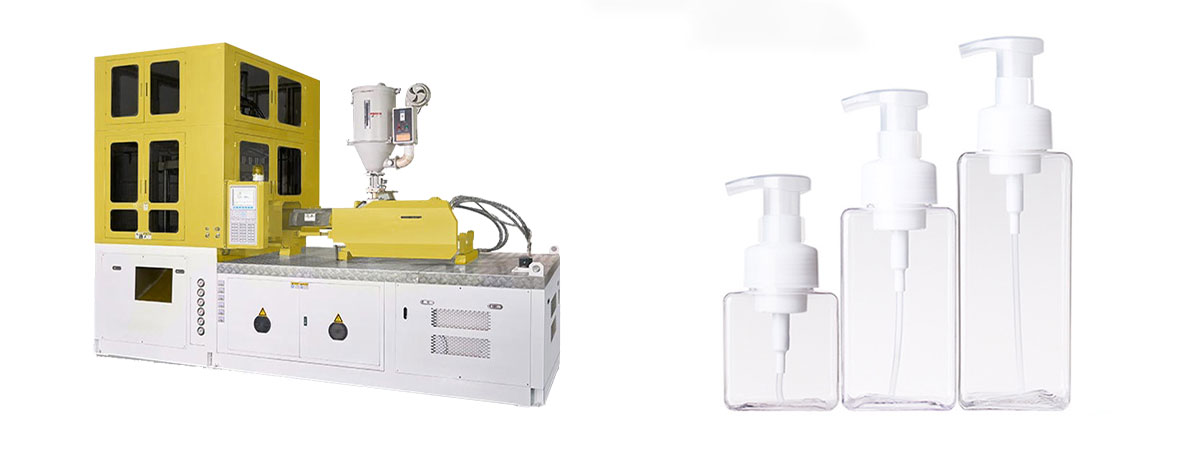
Plastic bottle molds offer a creative way to reuse materials and reduce single use waste at home. Many people do not realize that in 2022, only 27.9% of plastic waste found new life through recycling, and just 9.5% of all plastics produced came from recycled sources. Upcycling these molds with simple tools gives anyone the chance to make organizers, planters, or storage bins that fit any space or style.
Key Takeaways
- Upcycling plastic bottle molds reduces waste and promotes sustainability. Transforming used bottles into storage solutions helps keep materials out of landfills.
- Basic tools like scissors, hot glue guns, and markers are all you need to create functional organizers. Many households already have these supplies on hand.
- Personalizing your storage projects makes them more enjoyable. Use paint, stickers, or twine to add a unique touch to your creations.
- Drawer dividers made from plastic bottles help organize small items efficiently. This method saves time and reduces clutter in your workspace.
- Creating stackable containers from plastic bottles maximizes storage space. This approach keeps craft supplies organized and easily accessible.
Materials and Tools
Basic Supplies
Upcycling projects require only a few basic tools and materials. Many households already have these items. The following table lists common supplies and their uses:
| Materials/Tools | Description/Use |
|---|---|
| Hammer | Taps nails through the cap for ventilation. |
| Thin nails | Create holes for airflow in the cap. |
| Exacto knife | Cuts openings in the bottle. |
| Scissors | Cuts the bottle top and makes other modifications. |
| Hot glue gun and sticks | Attaches decorations or magnets. |
| Tape measure | Measures dimensions for a proper fit. |
| Permanent marker | Marks cut lines on the bottle. |
| Box cutter | Makes precise cuts as an alternative tool. |
These tools help users shape and customize plastic bottle molds for different storage needs.
Finding Plastic Bottle Molds
People can find plastic bottle molds in many places. Used beverage bottles often serve as the most accessible source. For those seeking higher quality or uniform shapes, manufacturers use ISBM machine to produce consistent molds. ISBM stands for Injection Stretch Blow Molding. This process creates injection molding bottles, which work well for storage projects. Local recycling centers, craft stores, or online marketplaces may also offer a variety of bottle molds.
Safety Tips
Safety remains important when working with sharp tools and plastic materials. The table below highlights essential precautions:
| Safety Precaution | Description |
|---|---|
| Wearing protective gear | Prevents injuries from sharp edges. |
| Ensuring equipment grounding | Reduces electrical hazards when using power tools. |
| Following manufacturer guidelines | Ensures safe use and maintenance of machines. |
Tip: Always cut away from the body and keep fingers clear of blades. Beginners should work slowly and ask for help if unsure about a step.
By following these guidelines, anyone can safely transform plastic bottle molds into useful storage solutions.
Desk Organizers
Pen Holders
Injection moulding bottles can become practical pen holders with a few simple steps. They offer a sturdy base for writing tools. To create a pen holder, a person can cut a bottle at the desired height using scissors or a box cutter. The bottom part works well for holding pens, pencils, and markers. Some people add a small amount of sand or pebbles to the base for extra stability. This method prevents the holder from tipping over.
Tip: Use bottles with wide bases for better balance on a desk.
A table below shows the steps for making a basic pen holder:
| Step | Action | Purpose |
|---|---|---|
| 1 | Mark the cutting line | Ensures even height |
| 2 | Cut the bottle | Creates the holder shape |
| 3 | Smooth rough edges | Prevents scratches |
| 4 | Add weight to the base | Improves stability |
| 5 | Decorate as desired | Personalizes the holder |
Multi-Compartment Storage
Many students and professionals need to organize more than just pens. Multi-compartment organizers help keep desks tidy. By joining several bottle bottoms or sections together, a person can create storage for different items. Hot glue works well for attaching the pieces. Each compartment can hold a specific supply, such as erasers, paper clips, or sticky notes.
- Cut several bottles to the same height.
- Arrange them in a row or cluster.
- Glue the sides together.
- Label each compartment for easy sorting.
This approach allows for flexible designs. Users can adjust the number of compartments based on their needs.
Customization Ideas
Personalizing desk organizers makes them more enjoyable to use. People can decorate with paint, washi tape, or stickers. Some wrap the outside with twine or colored paper for a unique look. Adding magnets to the back allows the organizer to stick to metal surfaces.
Note: Always let paint or glue dry completely before using the organizer.
Here are some creative ideas for customization:
- Paint each compartment a different color for easy identification.
- Use chalkboard labels for changing contents.
- Attach small decorative items, such as buttons or beads.
- Add a name tag for a personal touch.
These projects show how plastic bottle molds can become both functional and stylish desk accessories.
Drawer Dividers
Cutting Molds for Drawers
Plastic bottle molds can transform cluttered drawers into organized spaces. Many people start by measuring the inside dimensions of their drawers. This step ensures that each divider fits snugly. After measuring, they cut the plastic containers to match the required length and height. Scissors or a box cutter work well for this task. Smoothing the edges with sandpaper or a nail file prevents snags and keeps hands safe.
Tip: Use clear containers for easy visibility of drawer contents.
The following steps help guide the process:
- Measure the drawer’s width, length, and depth.
- Cut the plastic bottle molds to the desired size.
- Smooth all edges to avoid sharp corners.
Organizing Small Items
Drawer dividers made from plastic bottle molds help sort small items efficiently. Students often use these dividers for school supplies such as erasers, paper clips, and sticky notes. Homeowners find them useful for organizing kitchen utensils, jewelry, or office accessories. Each section keeps items separated, which reduces clutter and saves time when searching for specific objects.
A table below shows common items and suggested divider sizes:
| Item Type | Suggested Divider Size |
|---|---|
| Paper Clips | 2 x 2 inches |
| Erasers | 3 x 2 inches |
| Jewelry | 4 x 3 inches |
| USB Drives | 2 x 1 inches |
Easy Access Tips
People can improve drawer accessibility with a few simple adjustments. Placing taller dividers at the back and shorter ones at the front allows users to see and reach items quickly. Labeling each section with a permanent marker or adhesive tags helps identify contents at a glance. Some users add a small handle or tab to each divider for easy removal and cleaning.
Note: Regularly check and clean dividers to maintain a tidy drawer.
Drawer dividers made from plastic bottle molds offer a customizable and sustainable solution for organizing any drawer in the home or office.
Upcycling for Craft Storage
Stackable Containers
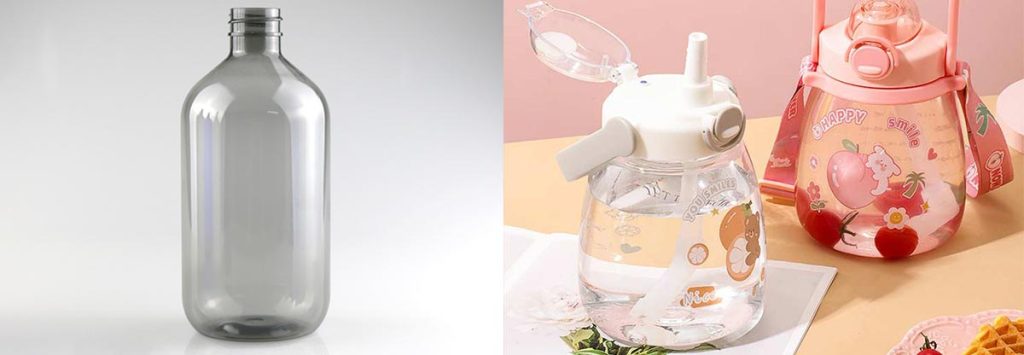
Crafters often struggle to keep their workspaces organized. Stackable containers made from plastic bottle molds offer a practical solution. These containers fit neatly on shelves or inside cabinets. People can cut bottles to the same height and stack them to maximize vertical space. This method helps store items like paint pots, glue sticks, or small tubs of glitter.
The table below highlights how stackable containers optimize craft supply storage:
| Feature/Benefit | Description |
|---|---|
| Multi-Compartment Organizers | Keep pigments, glitters, and molds neatly sorted. |
| Stackable Drawers | Maximize vertical space without sacrificing accessibility. |
| Enhanced Efficiency | Quickly locate the tools and materials you need. |
| Space Optimization | Keep your workspace tidy and clutter-free. |
Stackable designs allow users to see what they have at a glance. They can also move containers easily when switching between projects.
Sorting Supplies
Upcycling plastic containers helps reduce clutter in craft rooms. Many people find that small items, such as beads and buttons, often get lost in drawers or on tables. By reusing clear bottles and jars, crafters can sort these supplies by color, size, or type. This approach keeps the workspace tidy and makes it easier to find materials.
- Storage for small items becomes simple and efficient.
- Craft supplies like beads, buttons, and sequins stay organized.
- The workspace remains neat, which encourages creativity.
People can label each container for quick identification. Some use adhesive labels, while others write directly on the plastic with a permanent marker. This system saves time and prevents frustration during craft sessions.
Decorating Projects
Creative ideas can transform plain containers into personalized storage solutions. Many crafters enjoy decorating their upcycled storage with paint, washi tape, or fabric scraps. Some wrap containers with yarn or ribbon for a textured look. Others add stickers or decoupage images to match their craft room theme.
A few popular decorating methods include:
- Painting containers with acrylics for a splash of color.
- Using chalkboard paint for erasable labels.
- Gluing on decorative paper or fabric for a custom finish.
- Adding small handles or knobs to lids for easy opening.
These projects encourage reuse and make organizing supplies more enjoyable. Upcycling also supports sustainability by giving new life to materials that might otherwise become waste.
Tip: Let all decorations dry completely before stacking or filling containers.
Upcycling plastic bottle molds for craft storage combines function with creativity. Crafters can design storage that fits their needs and style, making every project more enjoyable.
Kitchen Storage Solutions
Snack and Spice Containers
Plastic bottle molds offer a practical way to store snacks and spices in the kitchen. Many people cut bottles to create small containers that fit neatly on shelves or inside cabinets. These containers keep nuts, dried fruit, or trail mix fresh and easy to access. For spices, clear bottles allow users to see the contents quickly. Some individuals add labels to help identify each spice or snack. A table below shows common uses for these kitchen storage solutions:
| Item | Suggested Bottle Size | Labeling Tip |
|---|---|---|
| Nuts | Medium | Use adhesive labels |
| Spices | Small | Write with marker |
| Dried Fruit | Large | Color-coded stickers |
Airtight Storage
Airtight storage helps preserve food quality and prevent spoilage. Many people use plastic bottle molds with screw-top lids to create airtight tubs for flour, sugar, or rice. These tubs protect food from moisture and pests. Some users add a silicone ring inside the lid for a tighter seal. This method keeps ingredients fresh for longer periods. People often stack these tubs to save space in the pantry.
Tip: Always check the lid for a secure fit before storing food.
Cleaning Tips
Proper cleaning ensures safe food storage. Users should wash containers with warm, soapy water before first use. Rinsing thoroughly removes any residue. For deep cleaning, some people soak bottles in a mixture of water and baking soda. Allowing containers to air dry prevents mold growth. Regular cleaning keeps storage solutions hygienic and ready for reuse.
- Wash with soap and water after each use.
- Dry completely before refilling.
- Inspect for cracks or damage regularly.
Clean and well-maintained storage helps keep the kitchen organized and food safe.
Garage and Tool Organization
Parts Bins
Plastic bottle molds can help organize small hardware in the garage. People often struggle to keep screws, nails, and bolts sorted. By cutting bottles into open-top bins, they create easy-access storage for these items. Clear plastic allows users to see contents at a glance. Some choose to group similar parts together for faster retrieval. A table below shows common items and suggested bin sizes:
| Item | Suggested Bin Size |
|---|---|
| Screws | Small |
| Nails | Medium |
| Bolts | Medium |
| Washers | Small |
Tip: Label each bin with a permanent marker for quick identification.
Tool Holders
Plastic bottle molds also serve as practical tool holders. Users can cut larger bottles lengthwise to create slots for wrenches, pliers, or screwdrivers. These holders keep tools upright and prevent clutter on workbenches. Some people attach holders to a pegboard or wall for better organization. Others place them inside drawers for a tidy look. Using recycled tubs for larger tools helps maximize space and reduce waste.
Mounting Ideas
Mounting storage solutions increases efficiency in the garage. People often use screws or adhesive strips to secure containers to walls or under shelves. This method frees up valuable workspace. Some add hooks or magnets to the sides for hanging lightweight tools. A simple mounting process involves these steps:
- Choose a sturdy spot on the wall.
- Mark the position for each container.
- Attach with screws or strong adhesive.
- Test for stability before filling.
Note: Always check weight limits before mounting heavy items.
These ideas help transform a cluttered garage into an organized and efficient workspace.
Benefits of Plastic Bottle Molds
Cost Savings
Plastic bottle molds offer a budget-friendly way to organize homes, offices, and classrooms. People can reuse containers that would otherwise be discarded, which helps reduce single use waste. By transforming these items into storage solutions, families and individuals avoid buying new bins or organizers. This approach supports those who want to make environmentally sound choices without spending extra money. Many find that upcycling also encourages creativity and resourcefulness.
Sustainability
Upcycling plastic bottle molds plays a key role in promoting sustainability. This process transforms plastic waste into higher value products, which supports a circular economy. Unlike traditional recycling, upcycling maintains the quality of materials and prevents them from becoming lower grade items. People who reuse bottles help reduce single use plastics and keep waste out of landfills. These actions make a positive impact on the environment and encourage others to follow similar practices.
- Upcycling turns waste into useful products.
- This method is more effective than standard recycling.
- It supports the creation of new items from existing materials.
Flexibility
Blow molding technology gives manufacturers the ability to create a wide range of custom shapes. This flexibility allows people to design storage solutions that fit their unique needs. They can choose from standard bottles or request special containers for specific purposes. The variety of options makes plastic bottle molds suitable for organizing everything from craft supplies to garage tools.
Encouraging Upcycling
Communities that promote upcycling see real benefits. The Dharavi Model in India increased plastic recycling rates by 40% through better waste segregation and community involvement. When people separate materials at the source, they prevent contamination and improve the efficiency of recycling. Upcycling also creates economic opportunities for local residents. These efforts inspire more people to reuse materials and reduce single use plastics in their daily lives.
Choosing to upcycle plastic bottle molds leads to cleaner neighborhoods and a healthier planet.
Conclusion
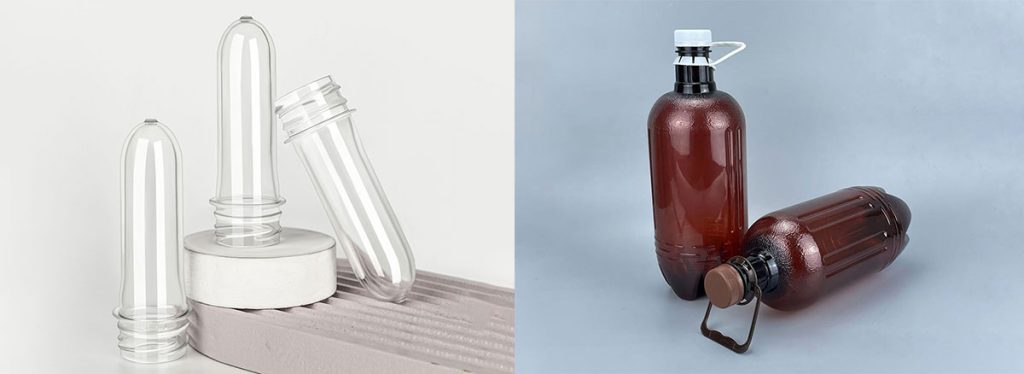
Upcycling plastic bottle molds offers practical, creative, and sustainable storage solutions. This approach reduces waste, protects ecosystems, and encourages innovation at home. The table below highlights key benefits:
| Benefit Type | Description |
|---|---|
| Environmental Impact Reduction | Repurposing bottles lowers pollution and landfill waste. |
| Minimization of Microplastics | Upcycling limits microplastic generation, helping marine life and human health. |
| Fostering Creativity and Innovation | Projects inspire new ideas and useful household items. |
| Educational Opportunities | Upcycling teaches sustainability and responsible choices. |
| Community Engagement | Collaborative efforts strengthen community bonds. |
| Economic Benefits | Homemade crafts save money and may create income. |
Traditional disposal methods harm the environment through pollution and microplastics. Upcycling transforms waste into valuable resources. Many users report satisfaction with the quality and versatility of upcycled storage. Anyone can start today and inspire others to organize and protect the planet.
FAQ
What Types of Plastic Bottles Work Best for Storage Projects?
People find PET and HDPE bottles most suitable. These plastics offer durability and clarity. ISBM bottles provide consistent shapes. Users should avoid bottles that once held chemicals or hazardous substances.
How Can Someone Make Edges Safe After Cutting Bottles?
Sanding the cut edges with fine-grit sandpaper smooths sharp areas. A nail file also works well. This step prevents scratches and injuries during use.
Are Upcycled Plastic Bottle Molds Safe for Food Storage?
Only food-grade bottles should store food. Users must clean bottles thoroughly before use. Bottles that once held non-food items should not contact food.
Can Children Participate in These Upcycling Projects?
Children can help with decorating and assembling. Adults should handle cutting and any tasks involving sharp tools. Supervision ensures safety for everyone.
How Should People Clean Upcycled Storage Containers?
Washing with warm, soapy water removes residue. Rinsing and air drying prevent mold. Regular cleaning keeps containers hygienic and ready for reuse.