


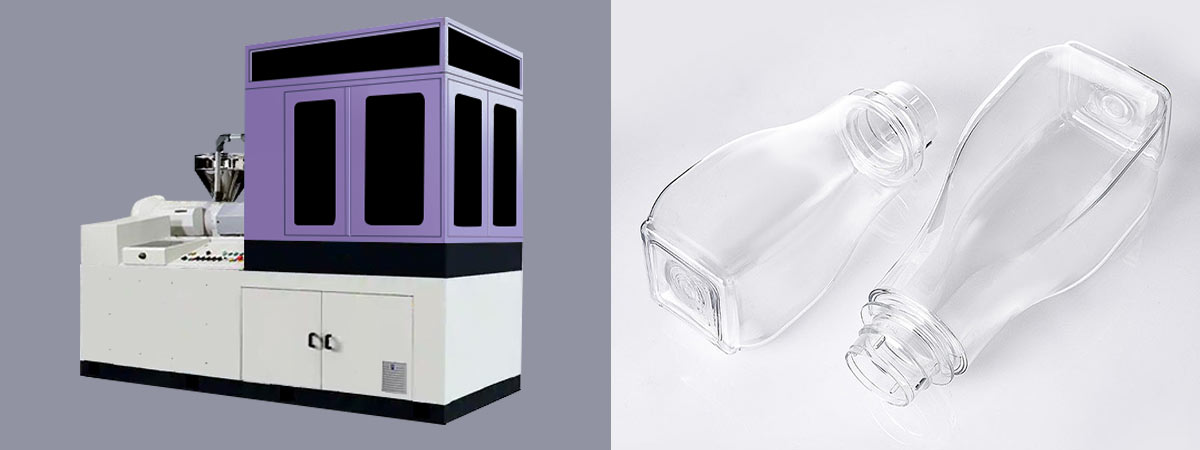
Efficient spare parts management plays a crucial role in keeping a plastic bottle blow molding machine running smoothly. Regular maintenance ensures that essential components such as seals, gaskets, and heating elements remain in good condition. When teams manage parts well, they reduce unexpected downtime and avoid costly repairs. Poor management often leads to production delays, lower product quality, and higher expenses.
Key Takeaways
- Regular maintenance of spare parts like seals and heating elements prevents costly breakdowns and keeps production running smoothly.
- Organize spare parts inventory in a clean, climate-controlled space to protect components and reduce search time during repairs.
- Prioritize critical parts based on their failure rates to ensure quick access to the most important components for machine uptime.
- Use inventory management software to track spare parts and automate reordering, which helps maintain stock levels and avoid shortages.
- Invest in training for staff on spare parts management to improve efficiency and reduce risks associated with equipment downtime.
Identifying Critical Spare Parts
Key Components of Blow Molding Machines
A plastic bottle blow molding machine contains several key components that determine its performance and reliability. These parts often face stress from continuous operation and exposure to heat, pressure, and contaminants. The most failure-prone components include filters, oil pumps, oil cylinders, valve cores, heating elements, and temperature detection components. The table below shows why these parts fail and how often they need attention:
| Component | Prone to Failure Due to | Replacement Frequency |
|---|---|---|
| Filters | High oil contamination | Frequently blocked |
| Oil Pumps | Wear from contaminants | Insufficient output flow |
| Oil Cylinders | Surface damage | Unstable pressure |
| Valve Cores | Wear and leakage | Stuck and leaking |
| Heating Elements | Temperature control issues | Frequent inspection required |
| Temperature Detection Components | Malfunction due to wear | Regular checks needed |
The lifespan of these key components usually ranges from 10 to 20 years. Factors such as machine quality, how often the machine runs, maintenance routines, and the working environment can affect this range. Regular checks and timely replacements help extend the life of each part.
Common Spare Parts: Seals, Gaskets, Heating Elements
Seals, gaskets, and heating elements play a vital role in the operation of a blow moulding machine. These parts prevent leaks, maintain pressure, and ensure proper heating during the molding process. Teams must check these parts often because they wear out faster than other components. The table below outlines the recommended maintenance schedule for these parts:
| Maintenance Task | Frequency |
|---|---|
| Daily Checks | Daily |
| Weekly Maintenance | Weekly |
| Monthly Tasks | Monthly |
| Annual Overhaul | Annually |
Key components for replacement include heating lamps, stretch rods, valve manifolds, seals, and gaskets. Regular maintenance ensures that the plastic bottle blow molding machine operates efficiently and produces high-quality bottles. Teams that follow these schedules reduce the risk of sudden breakdowns and keep production lines running smoothly.
Tip: Always keep a stock of seals, gaskets, and heating elements in the spare parts inventory. Quick access to these parts helps maintenance teams respond fast to any issues.
Prioritizing Parts for ISBM Machines
ISBM machines, or Injection Stretch Blow Molding machines, require special attention when prioritizing spare parts. Not all parts have the same impact on machine uptime or product quality. Teams should focus on components that fail most often or cause the most downtime. For ISBM machines, critical parts include heating elements, stretch rods, valve manifolds, and seals. These parts directly affect bottle shape, clarity, and strength.
A good practice involves ranking spare parts by their importance and failure rate. Maintenance teams can use a simple checklist:
- Identify parts that stop the machine if they fail.
- Track which parts need frequent replacement.
- Monitor parts that affect bottle quality.
By focusing on these priorities, teams ensure that the ISBM machine stays reliable and efficient. This approach also helps reduce costs and avoid production delays.
Spare Parts Management Systems
Inventory Organization
A well-organized inventory system forms the backbone of effective spare parts management for any plastic bottle blow molding machine. Teams must store parts in a clean, climate-controlled environment to prevent damage from moisture or sunlight. Sensitive components, such as electronic sensors for ISBM machines, require anti-static bags for protection. Heavy-duty storage cabinets keep larger items safe from dust and accidental impact. Maintenance teams should label every part clearly and group similar items together. This approach reduces search time and helps workers find the right part quickly during repairs.
Tip: Regular cleaning of storage areas prevents contamination and extends the life of spare parts.
Modern factories often use inventory management software to track spare parts. ACTouch stands out as a leading ERP solution for the plastic products industry. This software tracks raw materials, finished goods, and spare parts, making it easier to manage stock and plan for upcoming maintenance. Teams can set up alerts for low stock levels and monitor usage trends over time.
Stock Level Optimization
Optimizing stock levels ensures that critical parts remain available without tying up too much capital in inventory. Teams must balance the cost of holding spare parts with the risk of unplanned downtime. The following methods help optimize stock levels for a blow moulding machine:
- Rotate spare parts regularly to prevent aging and ensure reliability.
- Store sensitive items in anti-static bags and use climate control to protect against heat and moisture.
- Inspect inventory on a set preventive maintenance schedule to identify worn or expired items.
- Use heavy-duty cabinets for large or valuable components.
Proper storage impacts spare part reliability and supports a successful preventive maintenance plan. Teams that follow these practices can respond quickly to breakdowns and avoid costly production delays.
Tracking and Forecasting
Tracking and forecasting systems play a key role in maintaining spare parts availability for both standard and ISBM machines. Inventory tracking tools allow teams to monitor stock levels in real time. Automated reordering features help prevent shortages by placing orders when supplies run low. Usage analytics provide valuable insights into which parts require frequent replacement and help forecast future needs.
| Feature | Description |
|---|---|
| Spare Parts Inventory Tracking | Enables tracking and management of spare parts specifically for blow molding machines, ensuring availability. |
| Automated Reordering | Facilitates automatic reordering of parts when stock levels are low, preventing downtime. |
| Usage Analytics | Provides insights into spare parts usage, helping to forecast future needs effectively. |
Reliable vendors support these systems by maintaining a comprehensive inventory of critical components. This partnership ensures fast repairs and minimizes the risk of prolonged machine outages. Teams that use advanced tracking and forecasting tools can build a robust preventive maintenance system and keep production lines running smoothly.
Preventive Maintenance
Daily and Scheduled Inspections
Maintenance teams perform daily inspections to keep the plastic bottle blow molding machine in optimal condition. They check oil levels to prevent mechanical stress. They inspect air filters to ensure smooth airflow. They conduct visual inspections for leaks and unusual noises. They check heating lamps for proper operation. Teams also check hydraulic oil level and cleanliness. They inspect air compressors and dryers for moisture. They test temperature control components. They remove debris around the mold area. They listen for unusual noises during operation.
Scheduled inspections follow a preventive maintenance schedule. The table below shows key tasks and risks if skipped:
| Frequency | Key Tasks | Risks if Skipped |
|---|---|---|
| Daily | Check air lines, heater zone, etc. | Increased scrap, unstable forming |
| Weekly | Deep clean heater, check sensors | Wall thickness variation, deformation |
| Monthly | Inspect valves, filters, etc. | Air leakage, component failure |
| Quarterly | Assess air dryer, alignment checks | Corrosion, overheating |
| Every 6 months | Full inspection | General performance decline |
Lubrication and Replacement Tasks

Proper maintenance includes regular cleaning and lubrication. Teams maintain clean lubrication systems to prolong machine life and ensure reliable operation. They use lubricants designed for blow moulding machine applications. They inspect lubrication systems for signs of wear and implement oil analysis programs to remove contaminants. Timely replacement of worn-out parts, such as seals and gaskets, prevents leaks and malfunctions. This proactive approach enhances performance and extends machine longevity. Regular cleaning and lubrication prevent overheating and reduce wear on moving parts, which is crucial for operational efficiency.
Maintenance Planning for ISBM Machine
ISBM machine maintenance planning uses several strategies to minimize unplanned downtime. Condition-based maintenance measures equipment condition against known standards. Teams assess whether equipment will fail in the future and take action to avoid failure consequences. Predictive maintenance integrates diagnostic and performance data to analyze trends and detect problems before failures occur. Preventive maintenance actions follow a time- or machine-run-based schedule to sustain or extend component life.
The table below highlights maintenance tasks for ISBM machine:
| Maintenance Task | Recommended Frequency | Potential Risks if Neglected |
|---|---|---|
| Lubrication of Moving Parts | Daily or per 8–10 hour shift | Increased friction, component seizure, unplanned downtime |
| Mold Cleaning & Inspection | After each production run | Product defects, mold damage, contamination |
| Cooling System Flushing | Monthly or quarterly | Overheating, warped parts, reduced efficiency |
| Comprehensive Component Inspection | Weekly or monthly | System failure, safety hazards, costly repairs |
A preventive maintenance plan links spare parts usage directly to machine performance. Teams that follow these strategies keep machines reliable and production lines efficient.
Staff Training and Procedures
Spare Parts Identification
Effective spare parts management begins with accurate identification. Maintenance teams analyze equipment reliability data, review historical failure patterns, and study maintenance records to pinpoint high-risk parts. They use a unique tagging system for every spare part, which helps prevent confusion and reduces errors during repairs. Teams also calculate lead times and asset risk to ensure critical spares remain available for high-value equipment. This approach lowers the financial impact of unplanned downtime.
- Analyze reliability data and maintenance records for high-risk parts.
- Assign unique tags to each spare part for easy identification.
- Calculate lead times and asset risk to keep essential spares in stock.
Handling and Replacement Protocols
Proper handling and replacement protocols protect both workers and equipment. Teams receive training to use the correct tools and equipment for each maintenance task. They maintain organized workspaces to reduce the risk of accidents. When replacing parts, they check compatibility with the original mold design and use high-quality materials to maintain performance. Some molds have interchangeable parts that wear out faster than others. Replacing these parts restores machine functionality and keeps production on track.
| Benefit | Description |
|---|---|
| Streamlined Processes | Standard operating procedures (SOPs) provide clear guidelines and streamline workflows. |
| Reduced Downtime | Efficient maintenance activities minimize equipment downtime and maximize production uptime. |
| Defined Safety Protocols | SOPs include safety steps to protect personnel and reduce risks. |
| Training and Education | SOPs serve as a reference for training, promoting awareness of hazards and best practices. |
Continuous Improvement
Ongoing staff training supports better spare parts management outcomes. Training programs educate new users about systems and processes related to critical spare parts. Regular sessions help staff understand the importance of proper parts management and create a culture of collaboration. Teams retain knowledge through documentation and ongoing training, which helps reduce risks from employee turnover. Regular training keeps service skills sharp and teaches teams about new parts and repair methods. This enables staff to solve problems quickly and supports a strong preventive maintenance program.
| Evidence | Explanation |
|---|---|
| Training programs educate new users about systems and processes. | Staff gain knowledge and manage spare parts more effectively. |
| Ongoing training and documentation retain knowledge. | This reduces risks from staff changes and supports efficiency. |
| Regular training sessions highlight the importance of proper management. | Teams collaborate better and improve outcomes. |
| Training keeps skills sharp and updates teams on new methods. | Staff solve problems faster and improve operational efficiency. |
Supplier Collaboration
Choosing Reliable Vendors
Selecting reliable vendors for spare parts supply in the plastic bottle manufacturing industry requires careful evaluation. Teams look for suppliers who demonstrate strong quality control. Vendors must provide products that meet industry standards and perform consistently. Sustainability practices also matter. Many manufacturers now prefer partners who use recycled materials and eco-friendly processes. Customization options help teams address unique machine requirements. Vendors who offer tailored solutions improve reliability and support production goals.
- Quality control ensures parts meet industry standards.
- Sustainability practices show commitment to environmental responsibility.
- Customization options allow for tailored spare parts.
Tip: Teams should request sample parts and review vendor certifications before making a decision.
Negotiating Agreements
Negotiating supplier agreements impacts spare parts availability and cost. Teams benefit from long-term contracts with vendors who offer preventive maintenance support. Keeping a stock of critical spare parts, such as nozzles, belts, filters, and sensors, helps avoid long downtimes. Vendors who provide maintenance agreements often deliver priority support and lower labor costs. These arrangements reduce overall expenses and improve machine reliability.
| Agreement Feature | Benefit |
|---|---|
| Preventive Maintenance | Reduces downtime and repair costs |
| Spare Parts Stock | Ensures quick access to replacements |
| Priority Support | Speeds up repairs and maintenance |
Block Quote: “Long-term supplier agreements help teams maintain steady production and control costs.”
Building Partnerships
Building strong partnerships with suppliers creates lasting value. Teams communicate regularly with vendors to share feedback and discuss performance. They collaborate on improvement projects and explore new technologies together. Reliable suppliers respond quickly to urgent requests and support continuous improvement. These partnerships foster trust and help teams adapt to changing production needs.
- Regular communication strengthens relationships.
- Collaborative projects drive innovation.
- Responsive suppliers support operational goals.
Teams who invest in supplier collaboration achieve better spare parts management and maintain efficient blow molding operations.
Conclusion
Effective spare parts management brings measurable benefits to plastic bottle blow molding machine and ISBM machine. Teams see reduced operational costs and fewer disruptions. Reliable after-sales support and timely access to parts help extend equipment life and protect investments. These practices improve production efficiency and keep lines running smoothly. Plant managers and maintenance teams should review current systems and take steps to strengthen their spare parts strategies.
FAQ
What Are the Most Common Spare Parts Needed for Blow Molding Machines?
Operators often replace seals, gaskets, heating elements, and filters. These parts wear out quickly due to heat and pressure. Keeping these items in stock helps reduce downtime and maintain production quality.
How Can Teams Track Spare Parts Usage Efficiently?
Teams use inventory management software to monitor spare parts. This software provides real-time updates and sends alerts when stock runs low.
Tip: Digital tracking reduces errors and saves time.
Why Is Preventive Maintenance Important for Spare Parts Management?
Preventive maintenance helps teams identify worn parts before failure. This approach reduces unexpected breakdowns and extends machine life.
- Fewer repairs
- Lower costs
- Improved reliability
How Should Spare Parts Be Stored to Prevent Damage?
Teams store parts in clean, climate-controlled areas. Sensitive items, such as electronic sensors, require anti-static bags.
| Storage Tip | Benefit |
|---|---|
| Climate control | Prevents moisture damage |
| Organized shelving | Reduces search time |