


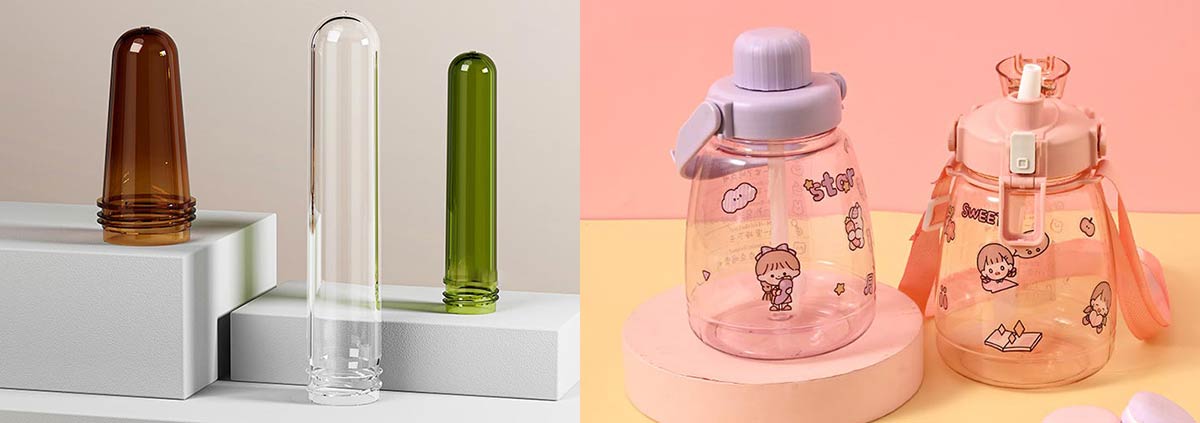
Quick identification and resolution of warping in injection molding bottle improve quality and reduce waste. Warping often appears when uneven cooling or shrinkage distorts the bottle shape, leading to breakage or dimensional errors.
- Warpage represents 12% of all defects in molded parts, making it a significant concern for manufacturers.
ISBM machine plays a vital role in bottle manufacturing, where warping can disrupt production efficiency and product accuracy. This guide provides practical steps to address warping issues and maintain high standards in bottle production.
Key Takeaways
- Identify warping early through visual inspections to prevent defective bottles from reaching customers.
- Optimize cooling channels to ensure uniform temperature distribution, reducing the risk of warping.
- Adjust injection parameters like pressure and time to maintain consistent cooling and minimize internal stresses.
- Select appropriate materials with predictable shrinkage properties to control warping during production.
- Regularly maintain ISBM machine to ensure stable temperature and pressure, which supports high-quality bottle production.
Understanding Warping in Injection Molding Bottle
What Is Warping?
Warping describes a common problem in plastic manufacturing. It happens when different parts of a molded bottle cool at different rates. This process introduces bending moments and torsion, which cause the bottle to change shape. Warping in injection molding bottle means the bottle twists, bends, or curls after cooling. Internal stresses and uneven shrinkage create these changes. The bottle does not keep its intended shape. Uneven cooling inside the mold often causes this issue. When one section cools faster than another, the plastic pulls in different directions. This leads to unexpected deformations that affect the final product.
Tip: Engineers can reduce warping by controlling the cooling rate and ensuring even temperature distribution in the mold.
Effects on Bottle Quality
Warping defects have a direct impact on the quality of bottles. These defects often show up as visible bending, twisting, or bowing. The bottle may not stand straight or fit with other parts. Warping occurs because different sections shrink and cool at different speeds, which creates internal stresses. These stresses distort the bottle’s shape. As a result, the bottle may not function as designed. It might leak, fail to seal, or not fit into packaging machines. Warping also affects the appearance of the bottle, making it look uneven or misshapen. Manufacturers must address these issues to maintain high standards and avoid waste.
- Warping leads to:
- Visible distortion such as bending or twisting
- Reduced reliability in fit and function
- Problems with sealing and packaging
A focus on even cooling and proper mold design helps prevent these problems and ensures consistent bottle quality.
Causes of Injection Molding Defects: Warping
Non-Uniform Cooling
Non-uniform cooling stands as the leading cause of warping in injection molding bottle. When the mold does not cool evenly, different sections of the bottle solidify at different rates. This process creates internal stresses that distort the final shape. Uneven cooling often results from poor cooling channel design or temperature imbalances within the mold.
Warping is a defect that results in the distortion of the shape of a plastic part that is apparent after it has been ejected from the mold. Essentially, the part does not maintain its intended shape and dimensions, but rather, bends, twists, or otherwise deforms, making it unsuitable for its intended use. Typically, warping occurs due to differential cooling rates across the part. If different sections of a part cool and solidify at different rates or times, internal stress can build up and lead to distortion after it’s ejected from the mold. This is especially common in parts with uneven wall thicknesses or complex designs. Other factors that can cause warping are the type of plastic material used, the injection process parameters, and the design of the mold itself.
Thermal analysis shows that uneven cooling creates internal stresses due to volumetric shrinkage as the material solidifies. These stresses lead to warping and other injection molding defects.
- Efficient cooling is essential to avoid warping and ensure dimensional stability in molded parts.
- Uniform cooling helps maintain consistent temperatures, preventing premature solidification.
- Uneven cooling can lead to shrinkage or warping as different areas cool at varying rates, highlighting the importance of proper cooling design.
- Temperature differentials in the mold can induce stress and lead to warping. A well-designed cooling system minimizes these issues by ensuring uniform temperature distribution.
Injection Pressure and Time
Process parameters such as injection pressure and time play a critical role in the occurrence of injection molding defects. The way the molten plastic fills the mold and the time it spends under pressure affect how the bottle cools and shrinks. If the pressure is too low or the holding time is too short, the material may not fill the mold completely, leading to uneven shrinkage and warping.
| Process Parameter | Influence on Warpage |
|---|---|
| Holding Time | Most Critical |
| Melt Temperature | Second Most Critical |
| Holding Pressure | Moderate Influence |
| Cooling Time | Lesser Influence |
| Mold Temperature | Least Influence |
Operators must monitor and adjust these parameters to reduce defects. Proper control of injection pressure and time helps maintain uniform cooling and shrinkage, which prevents warping.
Mold Design and Gate Location
Mold design and gate location have a direct impact on the quality of injection molding bottle. Poor mold design can cause uneven cooling and non-uniform wall thickness, which increases the risk of warping. The location of the gate determines how the molten plastic flows into the mold. If the gate is placed incorrectly, some areas may fill faster than others, causing temperature imbalances and internal stresses.
| Causes of Warping Defects | Solutions to Mitigate Warping Defects |
|---|---|
| Uneven cooling rates | Ensure uniform cooling by optimizing the cooling channel design. |
| Mold temperature imbalance | Balance mold temperatures to prevent differential cooling. |
| Non-uniform part thickness | Use materials with lower shrinkage rates or adjust processing parameters to control shrinkage. |
Engineers must focus on optimizing mold design and gate location to minimize defects and maintain bottle integrity.
Material Properties
Material properties influence the likelihood of warping in injection molding bottle. Each plastic material has a unique shrinkage rate. Semi-crystalline plastics such as polyethylene and polypropylene shrink more than amorphous plastics like polystyrene or polycarbonate. When cooling is uneven, different areas of the bottle shrink at different rates, creating internal stresses that cause warping.
- Shrinkage refers to the reduction in the size of the molded part as it cools, which can lead to dimensional inaccuracies.
- Warping occurs when cooling is uneven, causing different areas of the part to cool and shrink at different rates, leading to internal stresses.
- Different materials exhibit varying shrinkage rates; for instance, semi-crystalline materials like polyethylene and polypropylene shrink more than amorphous materials like polystyrene or polycarbonate.
- The primary cause of warpage is variations in shrinkage; uniform shrinkage maintains shape, while uneven shrinkage creates internal stresses that can lead to warping.
Selecting the right material and understanding its properties help manufacturers reduce injection molding defects and improve product quality.
ISBM Machine
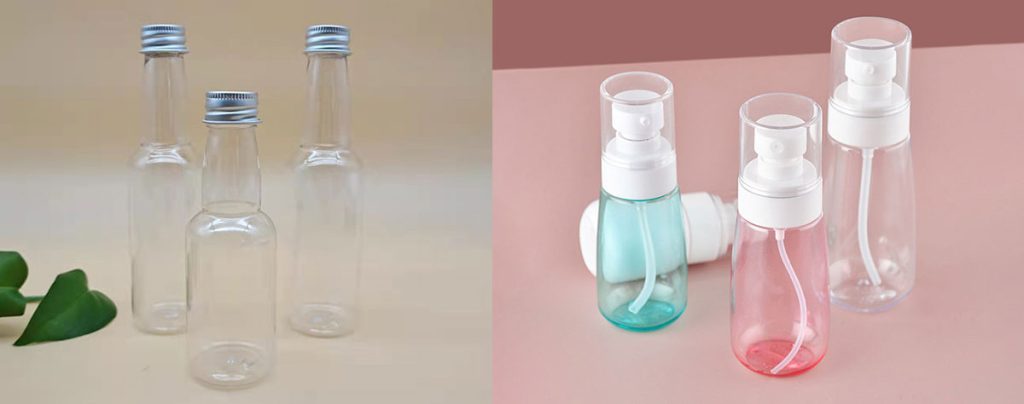
ISBM machine also contributes to warping in bottle production. Machine settings, maintenance, and calibration affect how the mold operates and how the bottle cools. If the ISBM machine does not maintain consistent temperature or pressure, defects such as warping may occur. Regular maintenance ensures that cooling channels remain clear and that temperature controls function properly. Operators must check machine settings frequently to prevent warping and other injection molding defects.
Uneven cooling creates internal stresses in the molded part. This occurs due to the volumetric shrinkage that happens as the material cools and solidifies.
Proper ISBM machine supports uniform cooling and reduces the risk of warp in injection molding bottle.
Prevention of Warping in Injection Molding Bottle
Optimizing Cooling Channels
Engineers focus on cooling channel design to reduce warping and common injection molding defects. Balanced cooling channels help maintain uniform temperatures throughout the mold. Conformal cooling channels, which follow the contour of the mold cavity, improve temperature distribution and minimize shrinkage. The analysis shows that conformal cooling in steel molds reduces warpage by 9.26%, while polymer molds see a reduction of 59.8%. These improvements lead to better dimensional stability and fewer defects in injection molding bottle.
| Cooling Method | Reduction in Warpage (%) |
|---|---|
| Conformal Cooling (Steel) | 9.26 |
| Conformal Cooling (Polymer) | 59.8 |
| Conventional Cooling | N/A |
Operators also ensure adequate cooling time before ejection. This step prevents premature removal, which can cause the bottle to warp. Balanced cooling channels and optimized cooling time remain essential for the prevention of warping.
Adjusting Injection Parameters
Process adjustments play a key role in reducing warping and common injection molding defects. Operators balance cooling and optimize packing parameters to control shrinkage. Increasing holding pressure and time helps minimize differential shrinkage, which reduces internal stresses. Maintaining consistent mold temperature prevents directional warp and supports uniform cooling.
Tip: Uniform ejection forces during mold opening help reduce stresses and lower the risk of warping.
Engineers review part design and adjust injection parameters to maintain quality. These steps ensure that the injection molding bottle retains its intended shape and function.
Improving Mold Design
Mold design directly affects the occurrence of warping and common injection molding defects. Maintaining uniform wall thickness is crucial, as inconsistent thickness leads to defects during cooling. Thicker sections cool and shrink at different rates than thinner sections, causing internal stresses and warping. Applying draft angles to part faces improves moldability and prevents warping due to molding stresses.
- Key mold design strategies for prevention of warping:
- Maintain uniform wall thickness
- Apply proper draft angles
- Avoid long, thin sections
- Use ribs instead of thick walls
- Add radii to reduce stress concentrations
- Design for symmetry to balance shrinkage
Proper mold design ensures that the bottle cools evenly and minimizes the risk of defects.
Selecting Proper Materials
Material selection influences the likelihood of warping and common injection molding defects. Engineers choose polymers with predictable shrinkage properties and control fiber orientation to balance shrinkage. Adding fillers or blends can reduce shrinkage, but operators must monitor orientation issues. Annealing relieves residual stress in certain materials.
| Criteria | Explanation |
|---|---|
| Matching Material Properties | Selecting materials with appropriate strength, heat resistance, and chemical compatibility prevents defects like warping. |
| Material Purity and Consistency | Using high-quality, contaminant-free materials reduces imperfections that can lead to warping. |
| Moisture Control | Controlling moisture absorption in hygroscopic materials prevents internal stresses that cause warping. |
| Material Shrinkage | Understanding shrinkage rates allows for mold adjustments to minimize warping during cooling. |
Operators monitor material purity and moisture content to prevent internal stresses. These steps help maintain the quality of the injection molding bottle and reduce defects.
ISBM Machine Maintenance
Regular ISBM machine maintenance supports the prevention of warping and common injection molding defects. Maintenance ensures precise temperature control, which is essential for thin-wall PET bottles. Optimized mold design and proper synchronization of cooling and ejection mechanisms help maintain dimensional stability. Precision synchronization between cooling and ejection systems reduces post-ejection warpage by 31% in bottles with 0.2mm walls.
Operators implement dynamic pressure profiling techniques to lower stress points by about 18% compared to older methods. These practices demonstrate the importance of regular ISBM machine maintenance in controlling defect rates and improving bottle quality.
Note: Routine checks and calibration of ISBM machine help maintain consistent production standards and reduce the risk of warp.
Troubleshooting Warping: Step-by-Step Guide
Visual Inspection
Operators start troubleshooting by performing a visual inspection of the injection molded bottles. They look for signs of warping, such as bending, twisting, or uneven surfaces. These visible defects often indicate problems with the cooling process or mold design. Technicians check the bottle’s profile against a reference sample to identify any deviations. They also examine the base and neck for irregularities. Consistent inspection helps detect defects early and prevents faulty bottles from reaching the next stage of production.
Tip: Use a backlight or gauge to highlight subtle warping that may not be obvious to the naked eye.
Process Adjustments
After identifying warping, technicians adjust the process parameters to correct the defects. They focus on the mold temperature, injection pressure, and cooling time. Adjusting these factors helps restore uniform cooling and reduce internal stresses. The following table summarizes common problems and their solutions:
| Problem Description | Solution Description |
|---|---|
| Inadequate Injection Pressure or Time | Increase mold injection pressure or hold time to ensure proper packing and prevent warpage. |
| Inadequate Residence Time | Add time to the cooling process to ensure uniform heating of the material. |
| Barrel Temperature too Low | Raise barrel temperature so the resin reaches the proper flow temperature before molding. |
| Mold Temperature Too Low | Increase mold temperature based on resin supplier recommendations for proper solidification. |
| Uneven Mold Temperatures | Adjust mold temperatures to ensure uniform cooling and prevent warpage. |
| Lack of Ejection Uniformity | Inspect and adjust the ejection system for uniform force and to prevent stresses. |
Technicians monitor the mold closely during these adjustments. They make small changes and observe the results to avoid introducing new defects.
Quality Control Checklist
A quality control checklist ensures that every bottle meets production standards and remains free from defects. The checklist includes:
- Inspect the bottle for visible warping or distortion.
- Measure critical dimensions and compare them to specifications.
- Confirm that the mold temperature stays within the recommended range.
- Check that the cooling time is adequate for the bottle’s wall thickness.
- Review the ejection system for uniform operation.
- Record any defects and corrective actions taken.
Consistent use of this checklist helps maintain high product quality and reduces the risk of recurring defects in injection molding bottle.
Conclusion

Manufacturers achieve better bottle quality by identifying warping early, optimizing cooling channels, and adjusting process parameters. ISBM machine remains essential for consistent results.
Checklist for minimizing warping defects:
- Inspect bottles visually
- Adjust process settings
- Maintain mold and machine
- Train operators regularly
- Monitor production parameters
Ongoing process monitoring maintains consistent parameters. Regular team training reduces human error and improves product quality. Quality control at each stage allows early defect detection and supports long-term improvements.
FAQ
What Causes Warping in Injection Molding Bottles?
Warping often results from uneven cooling, improper mold design, or incorrect process settings. Material selection and ISBM machine maintenance also play important roles. Operators must monitor these factors to reduce the risk of defects.
How Can Operators Detect Warping Early?
Operators use visual inspection and measurement tools to spot warping. They compare bottles to reference samples and check for bending or twisting. Early detection helps prevent defective bottles from reaching customers.
Why Does Material Choice Affect Warping?
Different plastics shrink at different rates. Semi-crystalline materials shrink more than amorphous ones. Choosing the right material helps control shrinkage and reduces the chance of warping.
What Steps Help Prevent Warping During Production?
Operators optimize cooling channels, adjust injection parameters, and maintain ISBM machine. They also select suitable materials and improve mold design. These steps help keep bottle shapes consistent.
How Does ISBM Machine Maintenance Impact Bottle Quality?
Regular ISBM machine maintenance ensures stable temperature and pressure control. Well-maintained machines produce bottles with fewer shape issues and higher consistency.