


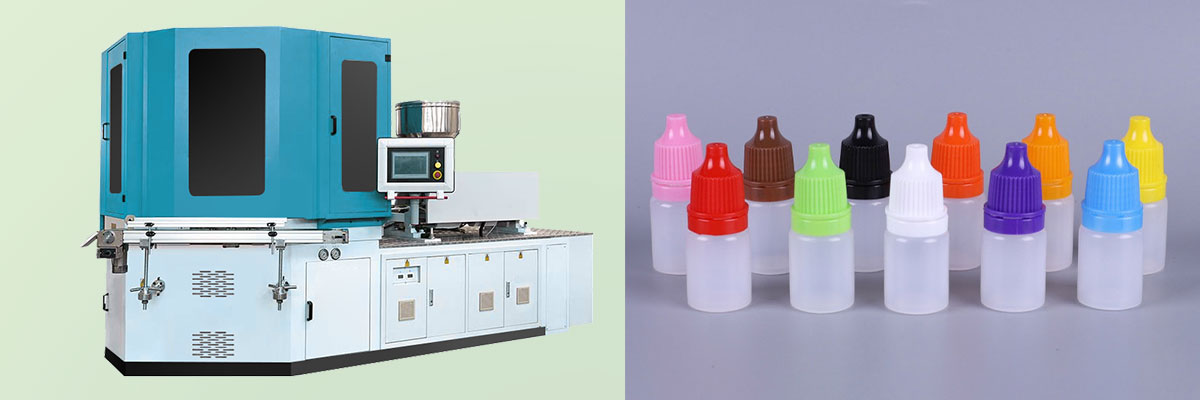
Contamination control stands as the most critical factor when integrating an injection blowing machine into a cleanroom environment. Common sources of contamination include human factors such as shedding skin and hair, airborne particles from machinery, equipment and materials shedding particles or releasing VOCs, and water or chemicals promoting microbial growth. Facilities reduce risk by enforcing proper gowning procedures, using HEPA or ULPA filters, and maintaining strict cleaning schedules. Adhering to ISO cleanroom standards ensures product quality and regulatory compliance.
Key Takeaways
- Contamination control is crucial in cleanrooms. Use proper gowning, HEPA filters, and strict cleaning schedules to minimize risks.
- ISO 7 and ISO 8 classifications set the standards for cleanroom operations. Ensure your facility meets these air change and particle limit requirements.
- Advanced enclosures and filtration systems protect sensitive equipment. They help maintain stable environments and reduce contamination from external sources.
- Automation and robotics enhance efficiency in cleanroom production. These technologies lower contamination risks and improve consistency in high-volume manufacturing.
- Regular audits and compliance with regulations ensure product quality. Maintain thorough documentation to support adherence to industry standards.
Cleanroom Standards and Requirements
ISO 7 and 8 Classifications
Cleanrooms for injection blowing machine must meet strict ISO standards. ISO 7 and ISO 8 are the most common classifications for custom blow molding and medical equipment production. ISO 7 cleanrooms require 30 to 60 air changes per hour, while ISO 8 cleanrooms need 15 to 25 air changes per hour. This difference helps control airborne particles and maintain cleanliness.
| Cleanroom Class | Particle Limit (particles/sq ft) | Air Changes per Hour |
|---|---|---|
| ISO 7 | 10,000 | 30–60 |
| ISO 8 | 100,000 | 15–25 |
ISO 7 cleanrooms support the production of items like stents, implanted prosthetics, and catheters. ISO 8 cleanrooms are suitable for catheters, syringes, and other medical equipment housings. These standards help minimize contamination and ensure high product quality.
Environmental Controls for Injection Blowing Machine
Environmental controls play a key role in maintaining ISO cleanroom standards. Facilities use positive airflow to keep clean air circulating and reduce particles. HEPA filtration captures 99.97% of particles down to 0.3 microns, which is essential for both ISO 7 and ISO 8 environments. Personnel must wear full-body garments and shoe covers, especially in areas where medical equipment is produced. Regular equipment maintenance, including airflow and filter checks, keeps the environment stable.
| Control Measure | Description |
|---|---|
| Air Quality Management | Positive airflow and particle reduction |
| Personnel Gowning Requirements | Full-body garments and shoe covers |
| Equipment Maintenance | Regular calibration and filter integrity checks |
| Packaging Restrictions | No particle-generating packaging materials |
Strict environmental controls prevent contamination that could lead to defects in critical products.
Contamination Prevention in Cleanroom
Preventing contamination requires a multi-layered approach:
- Cleanroom design uses HEPA or ULPA filters and proper airflow patterns.
- Strict entry protocols and gowning procedures limit human-borne particles.
- Routine cleaning with approved disinfectants removes surface contaminants.
- All materials and equipment must be cleaned and sterilized before entering the cleanroom.
- Continuous monitoring tracks particle counts and microbial levels.
These strategies protect sensitive medical equipment from contamination, supporting patient safety and product reliability.
Injection Blowing Machine Cleanroom Integration
Machine Enclosures and Air Filtration
Injection blowing machine integration into cleanroom production requires advanced enclosures and filtration systems. Machine enclosures, such as those designed by PortaFab, control environmental factors like noise, temperature, humidity, and particulates. These enclosures protect sensitive equipment from external elements and help maintain a stable environment, which is essential for cleanroom molding.
- Machine enclosures minimize particulate contamination from both the injection blowing machine and surrounding operations.
- Enclosures support consistent temperature and humidity, which is critical for custom blow molding and medical device production.
- They reduce the risk of airborne particles entering the cleanroom, supporting product quality.
Filtration systems play a vital role in cleanroom production. HEPA filters capture 99.97% of particles down to 0.3 microns, while ULPA filters offer even greater efficiency, removing 99.999% of particles as small as 0.12 microns. ULPA filters are ideal for ultra-clean environments, such as those needed for pharmaceutical and semiconductor manufacturing. HEPA filters provide a balance between efficiency and airflow, making them suitable for many cleanroom molding applications.
| Filter Type | Filtration Efficiency | Particle Size |
|---|---|---|
| HEPA | 99.97% | 0.3 micron |
| ULPA | 99.999% | 0.12 micron |
Tip: Facilities should select filtration systems based on the required cleanliness level and the sensitivity of the products being manufactured.
ISBM Machine Setup for Cleanroom
Setting up an ISBM machine for cleanroom molding involves several key steps. Each step ensures compatibility with clean-room production standards and supports contamination control.
- Install specialized air filtration systems, such as HEPA and ULPA filters, to control airborne particles generated by the injection blowing machine.
- Map out the placement of cleanroom furniture and machinery to optimize airflow and minimize turbulence around the ISBM machine.
- Use static dissipative materials for cleanroom components to prevent electrostatic discharge, which can attract particles to the machine surface.
- Plan daily operations, including strict entry and exit protocols, regular ESD tests, and thorough cleaning processes for both the ISBM machine and surrounding areas.
Modern injection blowing machine designs, such as the BOY injection molding machine, combine injection molding and air-blowing processes on a single platform. This integration streamlines clean-room production, allowing for efficient manufacturing of small bottles with complex neck contours. The fully enclosed molding process enhances hygiene and supports high repeatability, which is essential for pharmaceutical and cosmetic packaging.
| Feature | Description |
|---|---|
| Stable wall distribution | Ensures uniform bottle strength. |
| Accurate neck and thread dimensions | Achieves zero flash for precise neck finishes. |
| Fully enclosed molding process | Designed for clean-room environments, enhancing hygiene. |
| High repeatability | Ideal for producing pharmaceutical and cosmetic bottles with consistent quality. |
| Wide material compatibility | Supports various resins used in medical, cosmetic, and food packaging. |
| Low waste & high efficiency | Near-zero material waste during production, eliminating the need for trimming or secondary processing. |
- The ISBM machine reduces production costs and supports the manufacture of complex bottle designs with high precision.
- Cleanroom molding benefits from the integration of blow molding technologies that combine efficiency and hygiene.
Regulatory Compliance Steps
Regulatory compliance is essential for injection blowing machine integration in cleanroom molding. Facilities must follow industry standards and maintain thorough documentation to demonstrate compliance.
- Good Manufacturing Practices (GMP) ensure consistent production and control according to quality standards. These regulations address environmental control and personnel hygiene in clean-room production.
- ISO 14644 provides guidelines for classifying cleanrooms based on maximum allowable particle counts, which is crucial for injection molding operations.
- ISO 13485 outlines quality management system requirements for medical device manufacturing, supporting regulatory agency compliance.
| Compliance Element | Description |
|---|---|
| ISO 13485 | Certification for quality management systems in medical devices |
| cGMP | Current Good Manufacturing Practices ensuring quality in production |
| IQ | Installation Qualification to verify installation against specifications |
| OQ | Operational Qualification to test performance under various conditions |
| PQ | Performance Qualification to demonstrate consistent output in production |
| UDI | Unique Device Identification for regulatory tracking |
| ERP Integration | Serialized lot-level control for traceability |
| Electronic QMS | Centralized documentation that is always audit-ready |
| GDP Compliance | Good Documentation Practices ensuring accuracy and traceability |
Facilities must maintain audit-ready documentation, including installation qualification (IQ), operational qualification (OQ), and performance qualification (PQ) records. Unique Device Identification (UDI) and ERP integration support serialized lot-level control and traceability. Electronic quality management systems (QMS) and good documentation practices (GDP) ensure accuracy and regulatory compliance.
Note: Regular audits and ongoing training help maintain compliance and support continuous improvement in cleanroom molding operations.
Clean-room production with injection blowing machines and ISBM machine setups requires a systematic approach to regulatory compliance. Facilities that follow these steps achieve consistent product quality and meet industry standards for medical and pharmaceutical manufacturing.
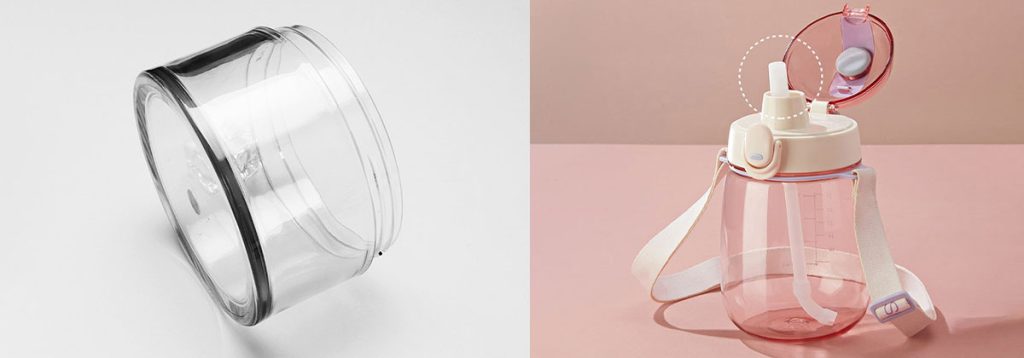
Custom Blow Molding Process Optimization
Automation and Robotics Integration
Automation and robotic systems have transformed custom blow molding in cleanroom environments. Facilities now use robotic arms to handle materials, transfer products, and perform quality checks. These robotic systems reduce human contact, which lowers contamination risk and improves consistency. Advanced robotic system features include dynamic mold temperature control, real-time monitoring, and automated diagnostics. These capabilities help maintain optimal conditions and quickly resolve issues.
| Feature | Benefit |
|---|---|
| Dynamic mold temperature control | Quick heating and cooling for optimal production |
| Real-time temperature monitoring | Consistent quality through continuous tracking |
| Automated diagnostics | Fast issue identification and reduced downtime |
| PID control systems | Precise temperature adjustments for better product quality |
| Integration with quality control | Defect prevention and high standards |
| Advanced vision inspection | On-the-line defect detection |
| Customization capabilities | Adaptation to various shapes and sizes |
| Advanced monitoring systems | Real-time alerts for smooth operations |
Robotic systems also integrate with quality control systems and vision inspection tools. These technologies detect defects early and ensure every product meets strict standards. Automation increases efficiency and supports high-volume production.
Efficient Mold Change Procedures
Efficient mold change procedures keep production running smoothly. Operators follow specific steps to minimize downtime and maintain cleanroom standards. They select the right purging compound, purge the machine before shutdown, and leave a full-barrel capacity of purge inside. Operators turn off the heats and let the purging compound remain during shutdown.
- Select an appropriate purging compound for sealing.
- Purge the machine prior to shutdown.
- Leave a full-barrel capacity of purge inside the machine.
- Turn off the heats.
- Let the purging compound reside in the machine for the duration of the shutdown.
Structured shutdown procedures, such as retracting the carriage, inspecting for blowback, and purging with polypropylene, help reduce downtime. In one case study, a Midwestern plant decreased average downtime from 180 minutes to 130 minutes by following these steps. Advanced tooling options, like molds with enhanced cooling channels and process monitoring software, further improve mold change efficiency.
| Tooling Option | Description |
|---|---|
| Mold Optimization | Enhanced cooling, better venting, durable materials for faster cycles and fewer defects |
| Advanced Technologies | Real-time process monitoring and automated quality control for early defect detection |
High-Volume Production Strategies
High-volume production in cleanrooms relies on several strategies. Facilities embrace automation and robotic systems to boost efficiency. They implement lean principles to reduce waste and focus on technological innovation for better production methods. Quality assurance practices maintain product standards, while efficient planning optimizes production schedules.
- Embrace automation and robotic systems for efficiency.
- Implement lean principles to reduce waste.
- Focus on technological innovation.
- Ensure quality assurance.
- Plan efficiently to optimize schedules.
- Develop talent and train staff.
- Build supply chain resilience.
- Commit to sustainability.
Strict environmental controls and advanced technology help facilities meet cleanroom standards. Rigorous staff training and robust quality assurance practices ensure consistent product quality.
Cost-Effective Cleanroom Solutions
Modular Cleanroom Design
Modular cleanroom design provides a flexible and affordable solution for facilities that use injection blowing machines. These cleanrooms offer the same features as traditional cleanrooms but allow for quick assembly and minimal disruption. The entire modular cleanroom is manufactured off-site to meet specific requirements. Facilities can expand the layout as needed, which supports the integration of new machines. Although initial costs may be higher, modular cleanrooms deliver long-term savings through operational efficiency and adaptability. Construction takes half the time compared to traditional cleanrooms, which reduces overall costs. Modular cleanrooms can grow with business needs, ensuring flexibility in operations.
- Modular cleanrooms offer flexibility and lower costs.
- Quick assembly minimizes disruption.
- Efficient layouts support machine integration.
- Expansion matches business growth.
Energy and Resource Efficiency
Facilities can maximize energy and resource efficiency by adopting several best practices. Free cooling uses outdoor conditions to reduce wear on chillers. Variable frequency drives adjust pump speeds based on process demands. Retrofitting electric heaters to gas-fired systems improves heat utilization. Replacing hydraulic machines with all-electric models enhances control and reduces energy losses. Improving auxiliary systems, such as air compressors and cooling fans, further increases efficiency.
| Benefit | Description |
|---|---|
| Reduced Energy Consumption | Fully electric machines consume up to 70% less energy than hydraulic machines. |
| Precision and Speed | Electric machines provide superior precision and speed. |
| Lower Maintenance Costs | Fewer moving parts and no hydraulic oil lower maintenance requirements. |
| Quiet Operation | Electric machines operate more quietly. |
| Clean Operation | No hydraulic oil reduces the risk of leaks and contamination. |
| Self-Optimizing Systems | Systems adjust to maintain optimal operation, using less energy when possible. |
| Centralized Systems | Central blending and distribution of materials save energy. |
| Inventory Management | Real-time measurements of material usage help manage inventory efficiently. |
| Downtime Reduction | Designed to minimize downtime, leading to more efficient energy use. |
| Automation | High degree of automation reduces labor costs and optimizes energy efficiency. |
Facilities that track electrical costs separately can enhance profitability, as these costs account for up to 75% of operating expenses. Integrated quality management reduces scrap rates and improves operational accuracy, leading to cost savings.
Scalable Integration Approaches
Scalable integration approaches help facilities manage growth and resource allocation. Modular and decentralized solutions allow for easy expansion and adaptation. Facilities benefit from streamlined audits, which improve quality and reduce costs by identifying inefficiencies. Track-and-trace systems save production hours and ensure compliance, reducing potential quality issues.
| Strategy | Cost Implications |
|---|---|
| Compliance Certifications | Higher machine rates (up to 15% markup) for cleanroom production compared to open environments. |
| Regular Audits | Streamlined audits improve quality and reduce costs. |
| Tracking Costs | Electrical costs can account for 75% of operating expenses. |
| Integrated Quality Management | Reduces scrap rates and improves operational accuracy. |
| Track-and-Trace | Saves production hours and ensures compliance. |
Facilities that use scalable integration approaches can respond quickly to market changes and production demands. Centralized systems for blending and distribution of materials lead to significant energy savings. Automation further reduces labor costs and optimizes energy efficiency.
Tip: Facilities should evaluate both initial and long-term costs when choosing cleanroom integration strategies for injection blowing machines.
Conclusion
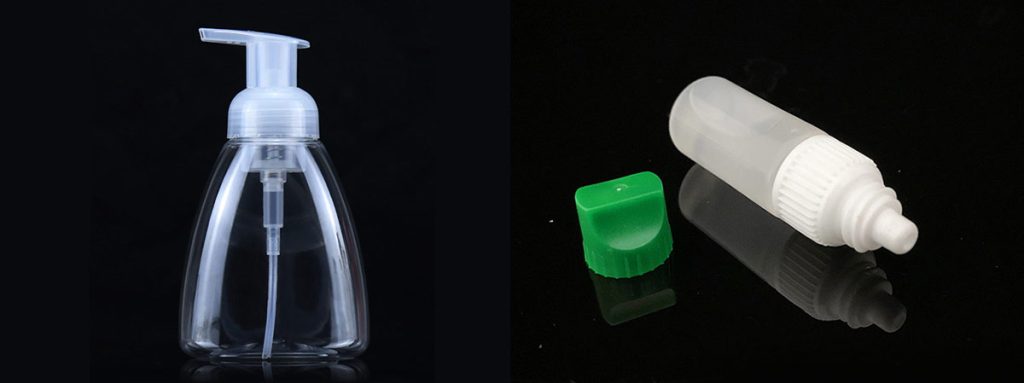
Facilities achieve optimal results by integrating injection blowing machines with cleanroom manufacturing through clear SOPs and advanced process controls. These practices enhance the production environment, improve quality, and support regulatory compliance. The following table highlights key benefits:
| Benefit | Description |
|---|---|
| Improved Quality Control | Integrated systems facilitate checks and balances to ensure product quality. |
| Real-time Performance Monitoring | Enables immediate tracking of machine performance, leading to timely adjustments. |
| Material Traceability | Ensures that materials used in production can be tracked throughout the manufacturing process. |
| Reduced Downtime | Streamlined processes minimize machine downtime, enhancing overall efficiency. |
| Compliance with Standards | Helps manufacturers adhere to complex regulations and industry best practices. |
Facilities also gain tighter dimensional tolerances, better aesthetics, and defect-free parts. A holistic approach ensures consistent output and long-term success.
FAQ
What Is the Purpose of a Cleanroom in Injection Blowing Machine Operations?
A cleanroom provides a controlled environment for injection blowing machines. It reduces contamination risks and supports high-quality production. Facilities use clean rooms to meet strict standards for medical, pharmaceutical, and food packaging industries.
How Does a Production Cleanroom Differ from an Assembly Cleanroom?
A production cleanroom focuses on manufacturing processes, such as molding and forming. An assembly clean room supports the final assembly of products. Both environments maintain strict cleanliness, but each serves a unique role in the manufacturing workflow.
What Are the Key Steps for Maintaining Cleanroom Standards?
Facilities maintain cleanroom standards by enforcing gowning procedures, using HEPA or ULPA filters, and scheduling regular cleaning. Continuous monitoring of particle counts and equipment maintenance also help keep the environment stable and compliant.
Why Is Automation Important in Cleanroom Blow Molding?
Automation reduces human contact with products in the cleanroom. Robotic systems handle materials, transfer products, and perform inspections. This approach lowers contamination risks and improves consistency in high-volume production cleanrooms.
How Can Facilities Optimize Energy Use in Clean Room Environments?
Facilities optimize energy use by installing fully electric machines, using variable frequency drives, and improving auxiliary systems. These steps reduce energy consumption and support efficient operation in cleanroom manufacturing.