


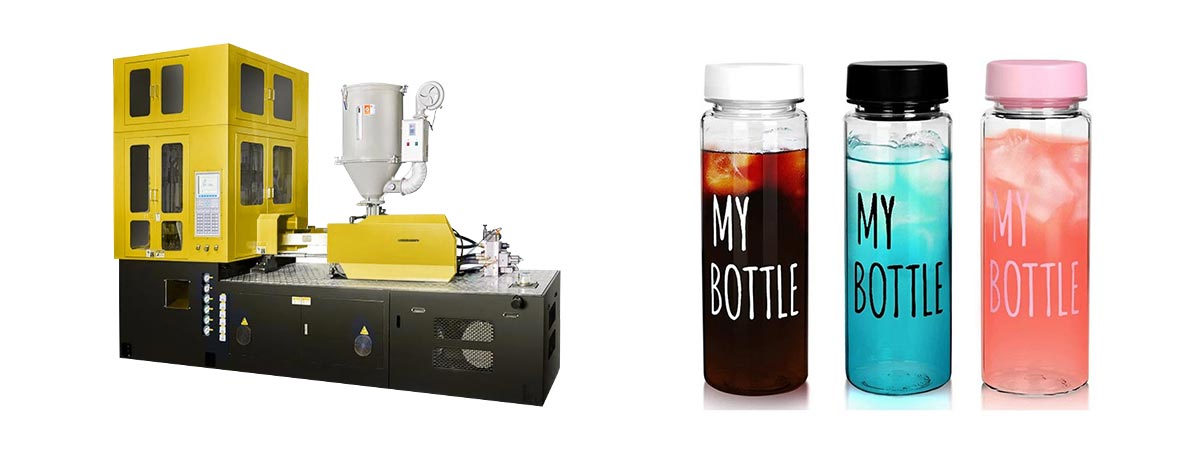
Optimizing the heating system in a PET bottle blow molding machine means controlling pre – heating time and temperature with precision. This process shapes the quality of every bottle produced. Operators notice that common heating inefficiencies often cause defects such as:
- Uneven wall thickness from poor preform heating
- Pearlescence or a white, chalky look when temperature falls too low
- Upper bottle sections that become too thick if the upper heater zone underperforms
These problems reduce production efficiency and lower the quality of bottles. Each machine benefits from regular checks and adjustments to the heating system. Every team should assess their current setup and prepare to make improvements for better results.
Key Takeaways
- Optimize pre-heating time between 30 to 60 seconds for consistent bottle quality. Adjust based on preform thickness and bottle size.
- Regularly calibrate temperature sensors to maintain accurate readings. This prevents defects and ensures stable heating.
- Balance heater zones to provide even heat distribution. This reduces defects like uneven wall thickness and improves production efficiency.
- Implement a strong preventive maintenance routine. Regular checks and cleaning keep the heating system reliable and efficient.
- Utilize advanced heating technologies like NIR for energy savings and faster production cycles. This enhances overall efficiency.
Role of Heating in PET Bottle Blow Molding Machine
Importance of Pre-Heating Time
The importance of proper pre – heating time in a PET bottle blow molding machine cannot be overstated. Pre – heating time determines how well the PET preform temperature reaches the ideal range for stretch blow forming. Uniform softening of PET preforms allows for correct molecular orientation during the process. If the preform does not receive enough pre – heating time, it may develop wrinkles or uneven surfaces. Too much pre – heating time can cause crystallization, which reduces clarity and strength. The heating oven in these machines maintains temperatures between 80-120℃ to ensure each section of the preform heats appropriately. Typical pre – heating times range from 30 to 60 seconds, depending on factors affecting pre – heating time such as preform thickness, bottle size, and resin type. Consistent pre – heating time is essential for maintaining the quality of the final product.
- The optimal pre – heating time for pet preforms is generally between 30 to 60 seconds.
- This time frame can vary based on preform thickness, bottle size, and resin type.
- Consistent heating is crucial to avoid quality variations in the final products.
Impact on Quality of the Final Product
Pre – heating time directly affects the quality of the final product in a PET bottle blow molding machine. The heating process influences the molecular structure of PET, which impacts clarity, strength, and pressure resistance. When heating is uneven, the bottle may show defects such as inconsistent wall thickness or poor transparency. The table below shows how pre – heating time impacts mechanical properties:
| Aspect | Impact of Pre-heating Time |
|---|---|
| Crystallinity | Variation in pre – heating time affects the crystallinity of PET, influencing its mechanical strength. |
| Density | Changes in pre – heating time can alter the density of the amorphous phase, impacting bottle integrity. |
| Intrinsic Viscosity | Pre – heating time influences intrinsic viscosity, which is crucial for the mechanical properties of the bottles. |
| Microcavitation | The extent of microcavitation is affected by pre – heating time, which can enhance or reduce mechanical performance. |
| Pressure Resistance | The thickness at critical points in the bottle, influenced by pre – heating time, directly correlates with pressure resistance. |
Heating uniformity also plays a key role. Consistent temperature control during production allows pet to flow properly, preserving both optical and mechanical characteristics. Monitoring pre – heating time helps reduce defect rates and ensures high quality.
Overview of Heating System Components
The heating system in a PET bottle blow molding machine consists of several key components. The heating unit uses infrared or quartz heaters to transfer heat efficiently through infrared radiation. These heaters are arranged in zones along the preform path, and each zone can be controlled separately for precise temperature adjustments. Temperature sensors provide feedback to the control system, ensuring the preform reaches the correct temperature. Some machines, such as the ISBM machine, include a rotation mechanism that ensures uniform heating around the preform. This technology is vital for consistent bottle quality and helps prevent defects. The PET stretch blow molding machine relies on these components to deliver reliable performance during the heating process. The bottle blowing machine benefits from regular monitoring and adjustment of the heating system to maintain optimal conditions for pet preforms.
Note: Proper maintenance of the heating system and regular calibration of sensors help prevent common defects such as uneven heating, overheating, underheating, and slow heating. These issues can lead to inconsistent wall thickness, melting, or reduced productivity.
Key Parameters for Heating Optimization
Temperature Control and Heater Zones
Operators must monitor several parameters to optimize the heating system in a PET bottle blow molding machine. Temperature control in heater zones stands out as a primary factor. Electronic control of infrared heaters allows precise adjustments in each zone. Machines often use rotating preform holding mandrels to ensure even heating around the preform’s circumference. This approach prevents hot spots and cold areas, which can cause defects. Multiple heating zones provide flexibility, letting operators fine-tune the process for different preform sizes and bottle designs. ISBM machines use advanced heating and cooling systems to maintain accurate temperature control. Efficient heating reduces cycle time and boosts production efficiency. Near-infrared (NIR) heating technology offers even greater energy efficiency. NIR matches the absorption spectrum of PET, enabling faster cycles and significant energy savings. Compact NIR ovens also save space on the production floor.
Tip: Machines like the Q3000 use NIR heating to achieve lower power consumption and quick changeovers, making them ideal for high-volume PET production.
Sensor Calibration and Placement
Sensor accuracy plays a crucial role in maintaining consistent PET bottle quality. Modern systems like IntelliADJUST regulate blowing and heating parameters for even material distribution. High-precision sensors measure wall thickness at key points on each bottle. These sensors operate at speeds up to 90,000 bottles per hour, allowing real-time adjustments. Calibration-free systems automatically adapt sensor positioning for each SKU, which speeds up start-up and reduces errors.
| Feature | Description |
|---|---|
| Sensor Technology | IntelliADJUST regulates blowing and heating parameters for even material distribution. |
| Measurement Functionality | High-precision wall thickness measurements at representative points on each bottle. |
| Speed of Operation | Operates at speeds up to 90,000 bottles per hour for real-time quality adjustments. |
| Calibration-Free System | Automatically adapts sensor positioning for each SKU recipe, enabling quick start-up. |
Cycle Timing and Energy Efficiency
Cycle timing directly impacts energy efficiency and the quality of ISBM bottles. Operators must adjust the hold time to between 6% and 8% of the total injection stroke for optimal filling. Cooling time should be at least 1.5 seconds, with thicker preforms requiring up to 20 seconds. Water temperature in the cooling system should stay between 8 and 10°C (46 to 50°F) for the fastest cycle times. Higher water temperatures can slow down the process and reduce efficiency. Careful control of these parameters ensures consistent results and minimizes energy waste during PET bottle production.
Step-by-Step Heating System Optimization
Balancing Heater Zones

Operators can improve the heating system in a PET bottle blow molding machine by balancing heater zones. This process ensures that each preform receives the correct amount of heat for optimal production efficiency. The following steps outline a typical procedure:
- Stop the machine and purge the oven by setting lamps to standby mode.
- Depressurize both high-pressure and low-pressure lines.
- Open the safety guards to access the heating area.
- Swap the mold set, including cavities, base inserts, and neck rings, if necessary.
- Connect water hoses, making sure each hose matches its label.
- Verify the rod stroke limit for the new bottle height, such as up to 280 mm.
- Load the correct HMI recipe for the specific bottle design.
- Thread sample preforms through the system to confirm clearances.
- Ramp the oven to the recipe temperature and begin trial blows.
- Fine-tune lamp zones and adjust pressures for even heating.
Operators should always monitor the pet preform temperature during this process. Proper balancing of heater zones prevents uneven wall thickness and improves the quality of bottles produced by the bottle blowing machine.
If uneven heating appears, operators should:
- Increase injection pressure to fill the cavity completely.
- Adjust the shot size to match the cavity’s requirements.
- Clean and inspect runners, gates, and nozzles frequently.
- Ensure adequate venting in the mold to prevent trapped air.
A well-balanced heating system reduces defects and supports consistent production.
Calibrating Sensors
Sensor calibration plays a vital role in maintaining accurate temperature readings during the heating process. The ambient temperature near the heater can change quickly, so sensors must handle these variations without causing errors. Regular calibration of temperature sensors helps maintain the integrity of the control system in the pet stretch blow molding machine.
Operators should use non-contact, infrared temperature sensors. These sensors work well because preforms move and rotate during heating. High accuracy and quick response to small temperature changes are essential for quality control. Regular calibration ensures that the system provides reliable data for process monitoring and adjustment.
Tip: Schedule sensor calibration at regular intervals and after any major maintenance. This practice helps maintain consistent heating and reduces the risk of defects.
Adjusting Pre-Heating Time
Operators must optimize pre – heating time to match the size and weight of each preform. Different bottle sizes require different temperature settings. Heavier preforms need longer heating times, while smaller preforms heat up faster and may need lower temperatures. For example, a 500ml PET preform often requires a heating time of 10 to 15 seconds as a starting point.
- Heavier preforms require longer pre – heating time for even softening.
- Smaller bottles may need shorter pre – heating time and slightly lower temperatures.
- Operators should adjust the oven settings and monitor the results to avoid defects such as pearlescence or uneven wall thickness.
By adjusting pre – heating time, operators can improve production efficiency and maintain high product quality.
Process Controls in ISBM Machine
The ISBM machine uses advanced process controls to manage heating and cooling. Operators must monitor and adjust parameters such as lamp power, oven temperature, and preform rotation speed. Real-time monitoring helps detect any deviations in pet preform temperature, allowing quick corrections.
A typical process includes:
- Loading the correct recipe for each bottle type.
- Monitoring temperature sensors for accurate readings.
- Adjusting lamp power and heater zones based on feedback.
- Using real-time data to fine-tune pre – heating time and ensure even heating.
- Verifying wall thickness with sensors and making adjustments as needed.
Investing in machines with precise heating and cooling controls ensures uniform material distribution. This investment reduces the risk of uneven heating and improves the overall quality of bottles produced.
Operators should use process monitoring and adjustment tools to track performance and make data-driven decisions. Consistent use of these controls in the ISBM machine leads to better production outcomes and higher efficiency.
Maintenance and Troubleshooting for Quality
Preventive Maintenance Checklist
A strong preventive maintenance routine keeps the heating system in a PET bottle blow molding machine reliable and efficient. Operators should follow a schedule that includes monthly, quarterly, and annual tasks. Monthly maintenance involves calibrating sensors, replacing filters, inspecting hydraulic systems, and checking conveyor systems. Quarterly tasks require in-depth inspections and cleaning. Annual maintenance includes a complete overhaul of all systems. The table below highlights essential tasks for the heating system:
| Task Description |
|---|
| Ensure all infrared lamps are working and heating evenly. |
| Measure preform temperature using an infrared thermometer. |
Regular maintenance reduces downtime and supports overall plant production. Operators who follow these steps help maintain the quality of the final product and improve production line planning.
Common Heating Issues and Solutions
Heating problems can disrupt the process and lower quality. Operators often see faults such as uneven lamp output or temperature sensor malfunctions. The table below lists frequent issues and solutions:
| Issue | Solution |
|---|---|
| Heating system faults | Replace damaged lamps, recalibrate temperature sensors, and maintain clean reflectors. |
| Uneven lamp output | Ensure consistent lamp output for stable heating performance. |
| Temperature sensor malfunction | Regularly check and calibrate temperature sensors to avoid production instability. |
Poor bottle transparency or haze can result from excessive heating, incorrect stretch ratios, or contaminated pet. Operators should reduce heating temperatures, optimize stretching parameters, and use high-quality preforms to solve these problems. Quick action keeps the machine running smoothly and protects the quality of each bottle.
Practical Tips for Consistent Quality
Operators can improve consistency by focusing on precision during every step. They should use advanced CNC machines for accurate mold dimensions and apply proper heat treatment to molds. Maintaining a smooth surface finish prevents sticking and ensures a uniform appearance. Precise control of temperature within ±0.5°C and pressure within ±5 psi prevents defects. Statistical process control tools, such as control charts, help monitor key parameters. Connell Industries improved efficiency by redirecting excess infrared heat back to the preform and using new technologies like the Technoplan TOEO system. These strategies support better results in PET bottle blow molding machine and boost overall plant production.
Conclusion

Operators achieve the best results in a PET bottle blow molding machine by focusing on precise pre – heating time, regular maintenance, and advanced heating controls. They should use machines with energy-saving features, monitor heating zones, and train staff for optimal performance. A quick-reference checklist helps maintain consistency:
- Set preform heating temperature by weight and resin.
- Calibrate sensors and monitor lamp temperatures.
- Clean the heating system and molds regularly.
Continuous improvement, such as installing air recovery systems or insulating heating chambers, leads to greater efficiency and fewer defects.
FAQ
What Causes Uneven Heating in PET Preforms?
Uneven heating often results from misaligned heater zones or faulty sensors. Operators should check lamp alignment and sensor calibration. Regular maintenance helps prevent this issue. Consistent monitoring ensures each preform receives the correct amount of heat.
How Often Should Operators Calibrate Temperature Sensors?
Operators should calibrate temperature sensors monthly or after any major maintenance. Accurate sensors help maintain stable heating. Regular calibration reduces the risk of defects and supports consistent bottle quality.
Can Energy Efficiency Improve with NIR Heating?
Yes. Near-infrared (NIR) heating matches PET’s absorption spectrum. This technology reduces energy use and speeds up cycles. Operators see lower power bills and faster production rates with NIR ovens.
Why Does Pre-Heating Time Matter for Bottle Quality?
Pre-heating time affects the molecular structure of PET. Proper timing ensures even softening and stretching. Incorrect pre-heating can cause defects like pearlescence or uneven wall thickness.
What Is the Best Way to Prevent Heating System Downtime?
Operators should follow a preventive maintenance schedule. They must inspect lamps, clean reflectors, and calibrate sensors regularly. Quick action on minor issues prevents costly downtime and keeps production running smoothly.